
Reviewed · STOCKHOLM MUSEUM & ATTRACTION TICKETS
Stockholm: Nobel Prize Museum and Exhibition Entry Ticket
Peace stories, made tangible in Stockholm’s Old Town. This Nobel Prize Museum ticket is a smart stop if you want peace, science, and human rights explained with objects you can see and videos you can press play on. You’ll also get entry to a special exhibition and access to the museum’s tour program.
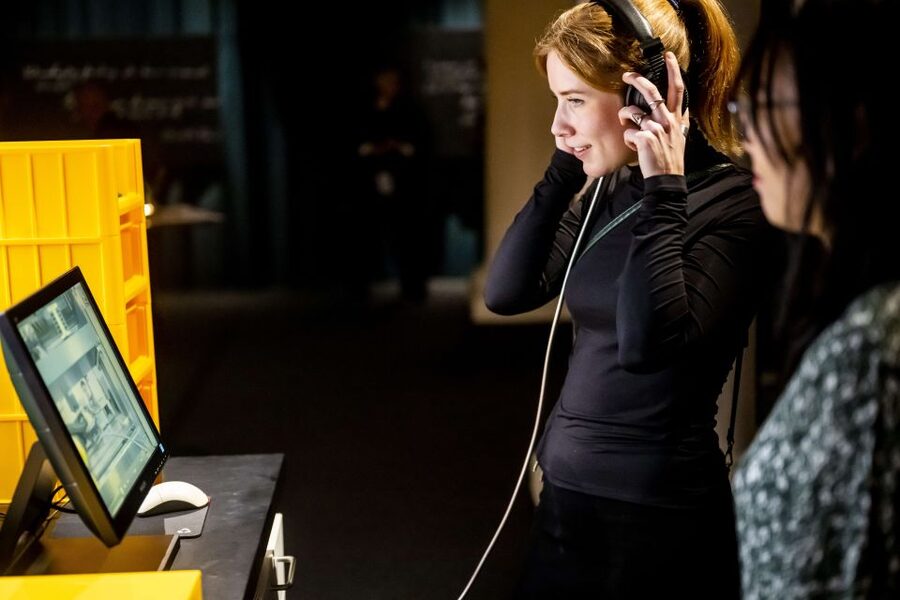
I especially like the mix of multimedia storytelling and real artifacts. The museum’s permanent show, These things changed the world, uses more than 200 items to connect inventions, literature, and peace efforts to the people behind them.
The main thing to consider: this museum is small, and it can feel busy in a tight space. If you’re hoping for hours and hours of floor-to-floor exploration, plan your time so you don’t leave disappointed.
In This Review
- Key things to know before you go
- Why the Nobel Prize Museum fits Stockholm so well
- Tickets, timing, and how to plan a 1-day visit
- The permanent exhibition: These things changed the world
- Guided tours in English and Swedish: what you actually gain
- Multimedia exhibits: audio and video that make the Nobel stories stick
- Artifacts, categories, and the Nobel Prize you thought you knew
- The shop and the bistro situation: plan for souvenirs, not lunch
- Is it worth the effort? Who this museum suits best
- Should you book the Nobel Prize Museum ticket?
- FAQ
- Where is the Nobel Prize Museum in Stockholm?
- How long should I plan for this visit?
- How much does the ticket cost?
- What’s included with the ticket?
- Is food included?
- What languages are available for the tour?
- Is the museum wheelchair accessible?
- What is the cancellation policy?
Key things to know before you go
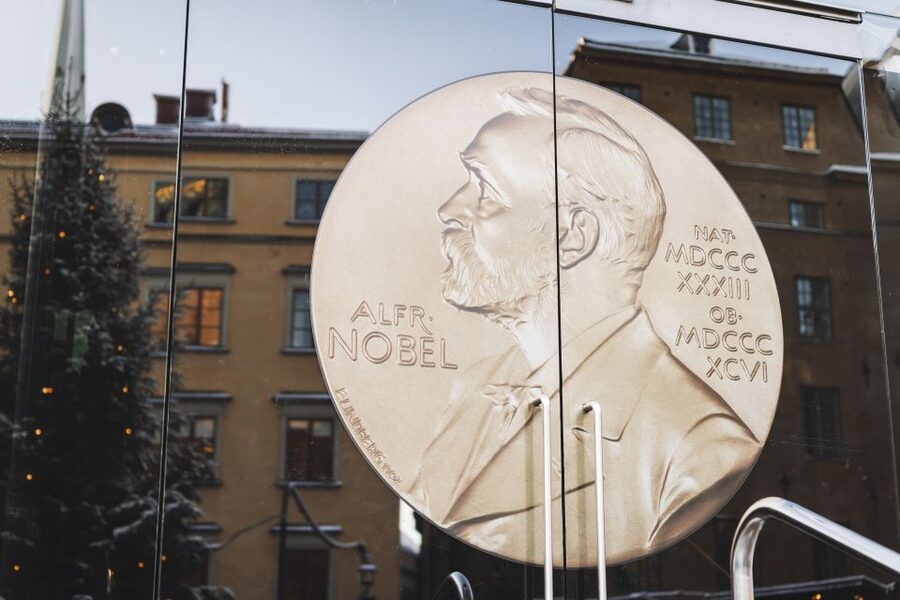
- 200+ artifacts in the permanent exhibition that connect Nobel work to real-world impact
- Daily guided tours in English and Swedish included with your ticket
- Video, audio, and hands-on-style storytelling that keeps the exhibits moving
- Centrally located at Stortorget in Gamla Stan for an easy Old Town add-on
- Shop stop for Nobel chocolate medal souvenirs (yes, it’s a thing)
- Bistro Nobel closure during spring restoration so don’t plan on a long lunch here
Why the Nobel Prize Museum fits Stockholm so well

Stockholm’s Old Town (Gamla Stan) is perfect for short, meaningful stops. This museum is one of those places where you don’t need a full day to feel you got something out of it.
The ticket gives you more than just entry. You’re getting access to the permanent exhibition plus a special exhibition, and you’ll also be able to join a museum tour included in your booking. That matters because the museum format is built around stories—so the tour helps you connect the dots faster than wandering on your own.
If you like travel that teaches while you walk, this is a strong match. The Nobel topic also makes it easy to share with kids and teens (and adults who enjoy learning why famous names matter). One family-friendly approach is to treat the museum like a set of mini biographies: pick a few laureates, then follow the thread from there.
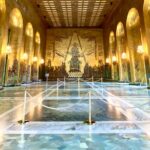
More of the City Hall and the Nobel story

Tickets, timing, and how to plan a 1-day visit
You’re looking at about 1 day on your schedule, but you don’t have to block off a huge chunk of your day. In practice, the museum’s size makes it flexible. If you move at a steady pace and focus on the main exhibits, plan around 1–2 hours. If you stop to watch videos and read more of the object descriptions, stretching to 3 hours is realistic.
A good game plan is:
- Arrive in the late morning or early afternoon to avoid the most hectic Old Town rush.
- Spend your first pass getting oriented, then join a tour while you still have fresh attention.
- Finish with the shop so you leave with something fun, edible, and very Nobel-branded.
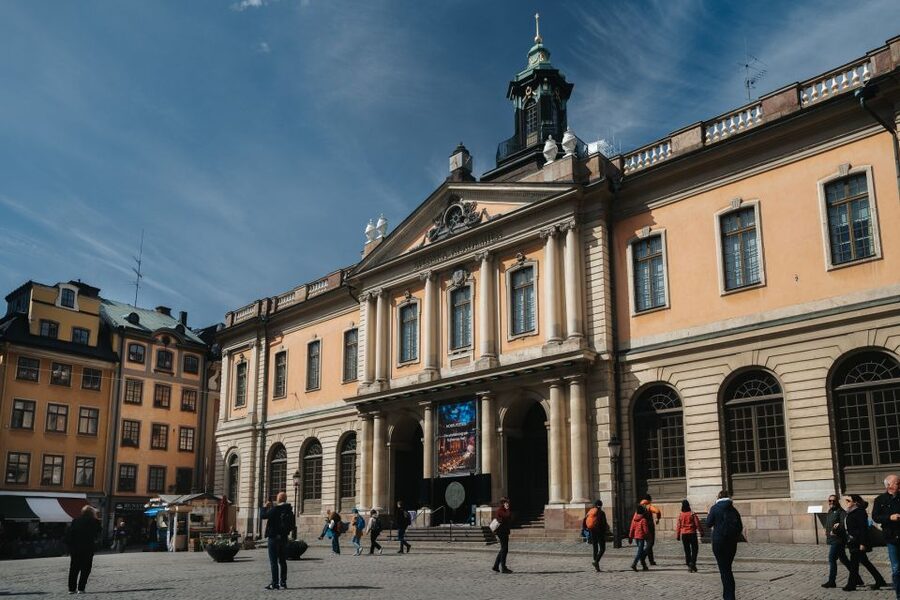
The meeting point is Stortorget in Stockholm Old Town (Gamla Stan), which is about as convenient as it gets for walking. If you’re already sightseeing in Gamla Stan, this ticket slots in naturally, like a well-timed pause instead of an extra chore.
Price-wise, $18 per person can look small or big depending on your expectations. Here’s the value angle: you’re paying for a guided museum experience plus multimedia and a collection-heavy permanent exhibition. It’s also not a theme park where you need to “do everything.” You can choose the parts that match your interests and still feel like you got your money’s worth.
The permanent exhibition: These things changed the world
The heart of the visit is the permanent exhibition, These things changed the world. This is where the museum makes its strongest case: Nobel work isn’t just about awards. It’s about the specific discoveries, documents, and peace efforts that changed how people lived, argued, and acted.
What you’ll notice right away is the scale of the object collection. The museum is displaying more than 200 artifacts from its collection. That’s important because the Nobel story can otherwise feel abstract—famous names, big ideas, little proof. Here, you get physical evidence: items associated with laureates that help translate achievements into something you can picture.
The exhibition ties together a mix of categories, including:
- revolutionary inventions and ideas
- courageous peace efforts
- groundbreaking work and literature
Even if you don’t know Nobel history yet, this structure helps. You’ll find the material organized around themes of impact, not just a list of winners.
One practical tip: don’t try to read every label front to back. Pick a theme for your visit—science, peace, or literature—and let the exhibition guide your choices. You’ll get a better story and less fatigue.
Guided tours in English and Swedish: what you actually gain
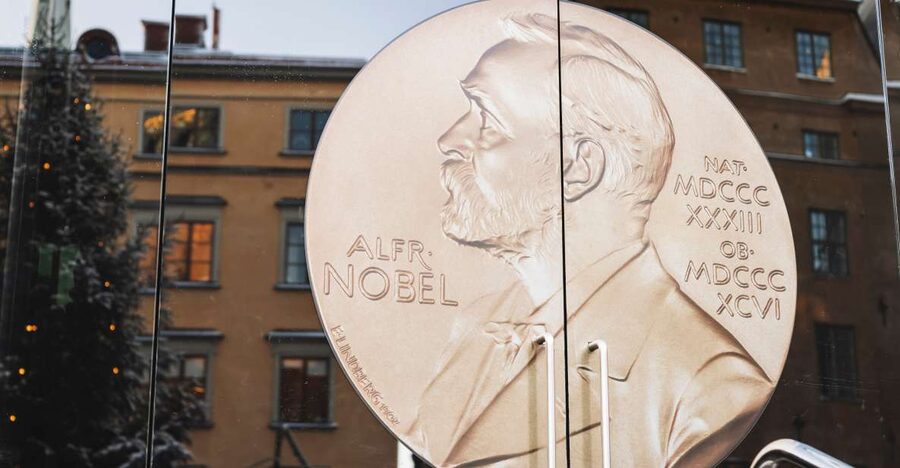
Your ticket includes daily guided tours in English and Swedish. That’s a real advantage in a museum like this, where context improves everything you see.
In plain terms: tours help you move from seeing objects to understanding why they matter. You learn how Nobel fits into the larger idea of reward for benefit to humankind. You also get a guided pathway through the museum, which is helpful since the building is compact and easy to speed through.
Tour quality can vary by guide, but the good news is that you’re not stuck with a generic script. One review specifically called out a guide named Ella as superb, with enthusiasm and clear detail in English. If you get a guide like that, you’ll probably enjoy the visit more because the explanations feel human and connected to the exhibits.
Timing matters. The museum offers multiple daily sessions, including examples like an English tour at 1:15pm. Since you don’t want to miss the tour included with your ticket, I’d plan to ask at the entrance staff about the next English session as soon as you arrive.
Multimedia exhibits: audio and video that make the Nobel stories stick
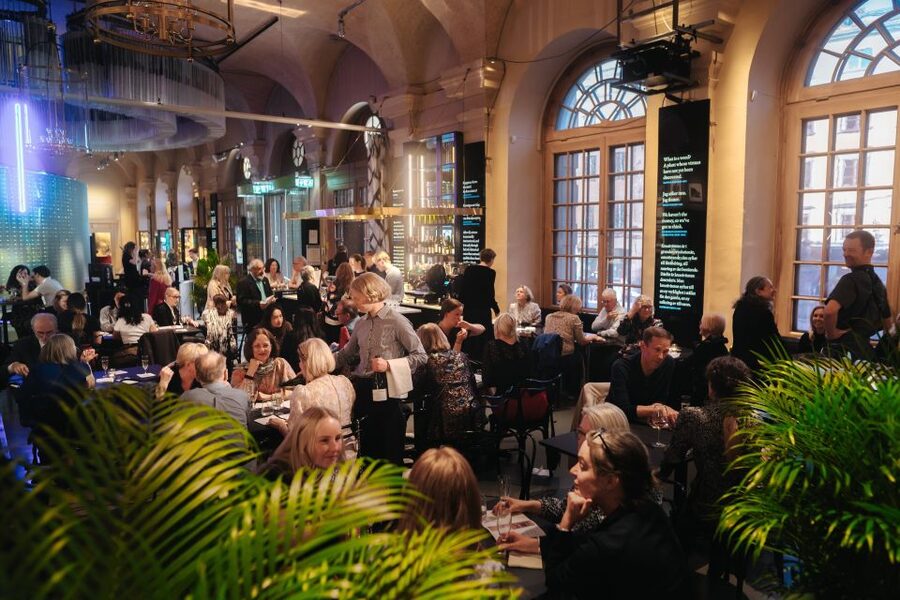
The Nobel Prize Museum uses video and audio to keep the exhibits from feeling like quiet paperwork. This approach is one of the most praised parts of the experience because it does two useful things:
- It slows the pace just enough to make stories memorable.
- It explains context without forcing you to read everything.
If you like museums where you can alternate between watching and walking, this is a good fit. Some exhibit sections feel built for short attention bursts: press play, listen, then move to the next object.
One thing I’d call out is how accessible the storytelling feels for different ages. If you’re visiting with a 17-year-old or younger, the museum can work like an educational reset button—world history framed through the Nobel lens, with enough variety to keep interest.
Still, keep one expectation realistic: audio and video are part of the museum experience, but the museum overall is not huge. If you’re hoping for a long, multi-building journey, this may feel short. The tradeoff is you can finish without losing an entire day.
More Stockholm sights indoors, tickets sorted






Artifacts, categories, and the Nobel Prize you thought you knew
Even though the Nobel Prize Museum covers many Nobel areas, it isn’t only a “history of the prize” lesson. It tries to show what Nobel laureates actually contributed—through artifacts and descriptions that connect achievements to the world around them.
Here’s how I’d think about it as you plan:
- If you’re science-minded, you’ll be drawn to invention-related items and how discoveries influenced progress.
- If you’re values-minded, peace efforts and freedom-related stories will probably grab you.
- If you like culture, the literature component gives you another route into the Nobel story.
Some visitors come for the Nobel Peace Prize only. Others start with the origin of the prizes and then branch out. The museum format supports both. You’ll see how Nobel categories overlap: peace efforts can involve political documents and speeches; science can intersect with human outcomes.
My practical advice: if you want to maximize what you learn, don’t pick one laureate and stop. Instead, pick two or three and compare how their work relates to peace, knowledge, or freedom. That turns the museum from “interesting” into “I get it now.”
The shop and the bistro situation: plan for souvenirs, not lunch
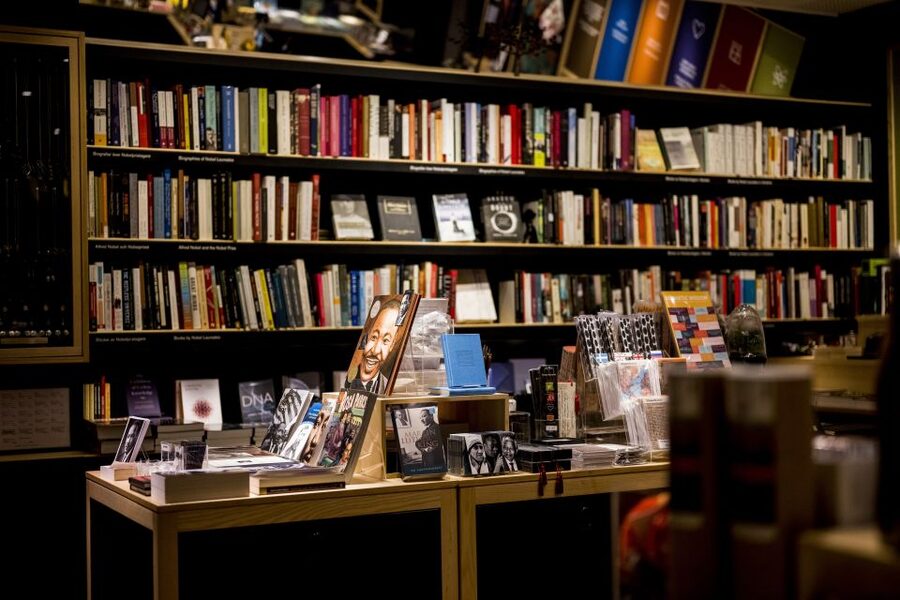
After you’ve seen the main exhibits, the museum shop is worth a detour. It offers a selective range of literature and souvenirs, and yes, there’s a famous item: the Nobel chocolate medal.
For many people, this is the perfect final touch. It’s a small, playful keepsake that matches the museum theme without turning your trip into shopping. If you have a sweet tooth, it’s also an easy win for kids and teens.
Now for the practical note: Bistro Nobel can be closed for restoration work during the spring after water damage. And you should also expect that restaurant plans can be inconsistent depending on season. Don’t build your schedule around a guaranteed meal here.
If you want food during your visit, keep your lunch option flexible. Use the museum as your learning stop, then grab a meal nearby in Gamla Stan.
Is it worth the effort? Who this museum suits best
This ticket makes the most sense if you want:
- a short, central Old Town stop
- a museum experience with multimedia plus objects
- a guided explanation included in the price
- an educational visit that works for multiple ages
It’s also a great fit if you like learning about how recognition ties to real action. Nobel stories are often repeated as names and dates. Here, they’re framed through artifacts, video/audio, and guided narration.
If you hate crowds or feel claustrophobic in small museums, you’ll want to pick your time carefully. The building can get crowded simply because it’s compact. Going earlier in the day or choosing a weekday can help.
And if your idea of a museum day is walking through huge galleries for half the day, you might feel the time is too tight. The upside is that you can turn it into a flexible add-on rather than a major commitment.
Should you book the Nobel Prize Museum ticket?
Yes—if you’re visiting Stockholm and you want a focused, meaningful stop in Gamla Stan, this is an easy yes. The value comes from the combination: entry plus special exhibition access plus guided tours and multimedia storytelling, all for a reasonable $18.
Book this if:
- you like peace and world history topics
- you want a guided museum experience without extra ticket steps
- you’re okay spending about 1–2 hours (or a bit more if you watch videos)
Hold off or adjust expectations if:
- you need a long, sprawling museum day
- you’re extremely sensitive to crowds in small spaces
- you specifically want to eat at Bistro Nobel during your visit window (closures can happen)
If you’re doing Stockholm right—walking, learning, and not over-scheduling—this ticket is a clean win.
FAQ
Where is the Nobel Prize Museum in Stockholm?
The museum is located at Stortorget in Stockholm Old Town (Gamla Stan).
How long should I plan for this visit?
The experience is listed as 1 day, and in practice it can work well as a short museum stop since the museum is compact.
How much does the ticket cost?
The price is $18 per person.
What’s included with the ticket?
Your ticket includes entry, access to a special exhibition, and a museum tour.
Is food included?
No. Food and drinks are not included.
What languages are available for the tour?
Tours are available in English, and the daily guided tours also run in Swedish.
Is the museum wheelchair accessible?
Yes, the experience is wheelchair accessible.
What is the cancellation policy?
There is free cancellation up to 24 hours in advance for a full refund.
More Tour Reviews in Stockholm





More Stockholm Museums & Tickets
More Nobel & City Hall Tours
Just Added: The Latest Stockholm Reviews











Stockholm Museum & Attraction Tickets, compared.
 ★ 4.5Skansen Open-Air Museum Admission TicketFrom $273,427 reviews
 ★ 4.1Stockholm Pass: Save up to 50% – Includes Vasa Museum TicketFrom $952,392 reviews
 ★ 4.3SkyView Glass Gondola RideFrom $19815 reviews
 ★ 4.8Avicii Experience Skip-the-Line Entrance TicketFrom $23763 reviews
 ★ 4.5Fotografiska Museum Entrance TicketFrom $22702 reviews
 ★ 4.5The Viking Museum Exhibition and Viking RideFrom $22667 reviews
 ★ 5.0Vasa Museum Guided Tour, Including Ticket & GuideFrom $60330 reviews
 ★ 4.0Fotografiska Stockholm Admission TicketFrom $22330 reviews
Browse the lists this tour appears in