
Reviewed · GAMLA STAN OLD TOWN WALKS
Private blood, ghosts and folklore Old Town 2h Stockholm tour
Ghosts and folklore hit different in Old Town. This private Stockholm walk ties dark legends to real streets and building details, so you get stories with place-marks instead of random campfire noise. What I like most is that you can ask questions on the move, and you’re not stuck with a one-size-fits-all script.
Two other big wins: the guide’s focus on Swedish vaesen folklore (not just generic horror), and the way the route moves from public squares to doorways, stairs, and church exteriors. The one thing to consider is expectations: if you’re chasing nonstop gore or a single huge “gruesome reveal,” this tour can feel more like folklore and beliefs than full-on horror set pieces.
In This Review
- Key Things I’d Watch For
- A Stockholm Ghost Walk That Uses Real Streets
- Meeting at Stortorget and Ending Near S:t Jacobs Kyrka
- Stortorget: Death, Body Parts, and the Danish Takeover
- Prästgatan: The Street That Used to Be Called Hell
- The Old Town House Door: Iron, Trolls, and Vaesen
- Logårdstrappan: Water Spirits That Lure People Down
- Kungsträdgården: Huldran, Myrling, and Blood-Linked Threats
- S:t Jacobs Kyrka Exterior: Doors, Weak Points, and Exorcism
- Price and What You Really Get for $188.16
- Who Should Book This Private Ghost and Folklore Tour
- Should You Book It?
- FAQ
- How long is the Private blood, ghosts and folklore Old Town tour?
- Where does the tour start?
- Where does the tour end?
- Is this a private tour?
- What’s included in the price?
- Are tickets included for the stops?
- Can I use a mobile ticket?
- What’s the cancellation policy?
- Is the tour near public transportation and are service animals allowed?
Key Things I’d Watch For
- Private pacing, real Q&A: you can ask what stuff means and how beliefs worked
- Folklore protection themes: iron, doors, trolls, and warnings show up again and again
- Water-ghost stop: Näcken and related spirits are the most cinematic segment
- Church door talk: S:t Jacobs Kyrka’s exterior details matter to the stories
- Story focus can vary: depending on how your guide strings it together, the balance of execution vs. folklore may shift
A Stockholm Ghost Walk That Uses Real Streets
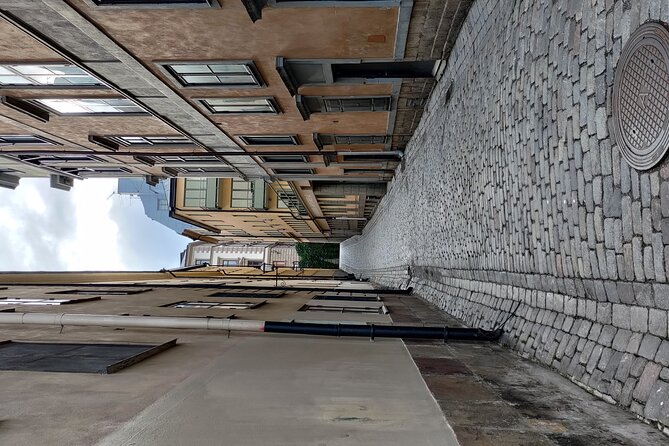
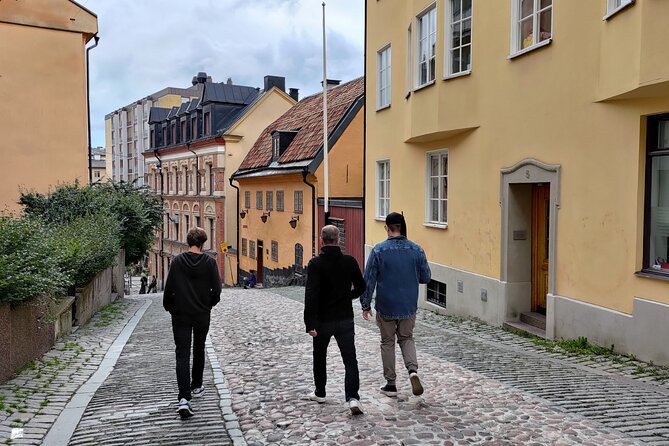
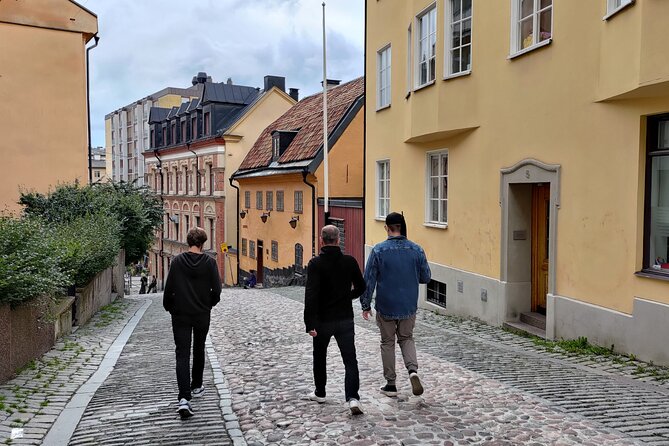
Stockholm’s Old Town is the kind of place where legends feel believable. That’s because the city layout still reads like the old world: narrow lanes, squares that pull you in, and buildings that look like they’ve been holding secrets for centuries.
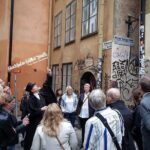
This is a private guided tour, so you control the pace. You’ll still cover ground on foot, but it’s not a big crowd herding routine. The “blood, ghosts, and folklore” framing matters here: the stories aren’t just jump-scares. They’re built around how people used to explain death, danger, and the unseen.
You also get the practical benefit of not wandering around trying to connect dots yourself. The guide handles the turns and landmarks, which is a big deal in Gamla Stan when the streets can look similar block to block.
More laps of Gamla Stan and the old town lanes
Meeting at Stortorget and Ending Near S:t Jacobs Kyrka
The tour starts at the Nobel Prize Museum on Stortorget, right in the Old Town area. Expect a straightforward meet-up point you can find without guesswork.
It finishes near S:t Jacob’s Church on Västra Trädgårdsgatan. The route also ends just outside Old Town on the north side by Kungsträdgården, and the info sheet notes it’s about a 10-minute walk back to the start. So plan your schedule like this is a self-contained loop, not something that drops you randomly in the middle of nowhere.
Timing is listed at about 1 hour 30 minutes, so this is a compact experience. That short length can be a feature (you won’t be out too long in the cold), but it also means each stop gets focused attention rather than deep lecture time.
Stortorget: Death, Body Parts, and the Danish Takeover
The first stop is Stortorget, and it sets the tone fast. Here you’ll hear talk about death as a folk material, including the folklore idea of using body parts in magical practice. It’s a dark concept, but it’s also a window into how people once treated the boundaries between life, death, and power.
This stop also includes a story about executions tied to when Danish King Kristian took Stockholm, with a figure of around 90 souls mentioned. Even if you don’t remember every number, the takeaway is clear: power changes hands, and violence leaves traces in a city’s memory.
Then the folklore angle turns concrete: you’ll hear about beliefs in the blood of the dead being used for curses, and the use of gallows parts for brewing stories. It’s not just shock value. It’s about how everyday people explained danger with symbols they could grasp.
The drawback to consider here: if you want a long sequence of documented, historical murders with a grim timeline, this stop may feel like it’s leaning toward belief-systems and symbolic “what people thought” rather than strict historical reconstruction.
Prästgatan: The Street That Used to Be Called Hell
From the big public square, the tour moves to Prästgatan. This part is shorter, but it’s one of the clever turns of the route because street names themselves become evidence of how people labeled fear.
You’ll hear that Prästgatan was formerly named Hell, linked to the kind of lodging an “excursionist” supposedly used. Even if you take the details lightly, it gives you a lens: Old Town isn’t only a museum of pretty buildings. It’s a map of how locals once thought about wrongdoing, punishment, and bad company.
If you’re traveling with someone who likes word origins and hidden meanings, this is the segment that rewards attention. You get a quick story, then you move on—no wasted time.
The Old Town House Door: Iron, Trolls, and Vaesen
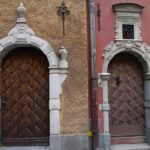
Next comes a stop framed around a very practical fear: protecting the home. Standing by a house doorway, you’ll hear how people used protection measures—especially iron—against vaesen, including elves said to come with mist.
This is where the tour’s “folklore rules” start to repeat in your brain. You’ll also get the mention of the Swedish Tomte, and why doors mattered so much in stories about threats like trolls and even the Devil. The tour also points to a specific vulnerable moment: a newborn before baptism is said to lack protection, so the door and its wards become part of the family’s safety plan.
Why I like this stop for practical travelers: it helps you see old beliefs as a system of cause-and-effect. People weren’t just imagining monsters. They were building habits around them—how to ward off danger, how to mark a threshold, how to treat certain moments as needing extra protection.
If you’re hoping for a long ghost “apparition” scene, you might be disappointed. This stop is more about warding rituals and folk logic than about a cinematic haunting.
More ghosts, folklore and dark corners after dark

Logårdstrappan: Water Spirits That Lure People Down
At Logårdstrappan, the tone shifts toward the spooky physics of water. This segment is focused on vaesen tied to water threats—especially the danger of being pulled into something you can’t fight.
You’ll hear about Näcken, the Swedish story-shape of a water spirit. Also on the list are the bäckahästen (a kind of Swedish kelpie-related spirit), plus Sjörå and skepps-rå (sea-related and ship-related r-å spirits). The common theme across them is not just fear of drowning. It’s the idea that these beings try to lure people into the deep.
This is the most “movie-ready” stop because water folklore works well with atmosphere. It also makes a lot of sense in Stockholm’s setting, where water is part of daily life and stories naturally use it as a stage.
If you’re traveling in a group with mixed tastes, this is a segment that often bridges the gap. Even if you don’t care about mythology, drowning-lure stories make instinctive sense.
Kungsträdgården: Huldran, Myrling, and Blood-Linked Threats
Now you start hearing about the more personal, human-adjacent folklore monsters. At Kungsträdgården, the tour brings up dangerous vaesen like Skogsrået / huldran and the undead child called Myrling.
This is the stop where the tour’s title—blood and death—feels most directly tied to what you’re hearing. Myrling is presented as an undead child figure connected to harm and spreading death, and other creatures in this orbit are described in terms of sucking blood and causing ongoing trouble.
This segment also adds variety because huldran/skogsrå stories sit in that uncomfortable zone between nature spirit and personal threat. You’re not only dealing with “monster from outside.” You’re dealing with a being that can blur into human spaces and daily surroundings.
For me, the key value is that the tour doesn’t treat folklore as random monsters-of-the-week. It keeps linking the creatures back to fears people actually had—danger in the woods, threats to children, and the terror of death that doesn’t stay put.
S:t Jacobs Kyrka Exterior: Doors, Weak Points, and Exorcism
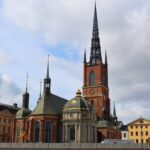
The final stretch goes to S:t Jacobs Kyrka, where the focus is on the church exterior—especially the door. That might sound like a small detail, but in folklore, doors are like switches. They’re limits. They’re boundaries.
Here you’ll hear about ideas like protection and weak points of a church door, plus the mention of exorcism connected to a child at baptism. You’ll also hear the idea of what to do to punish a worst enemy, framed through the kind of exorcism beliefs that used religious authority as a tool against fear.
This is a strong ending because it leaves you with a concrete mental image: even stone and iron weren’t just architecture in these stories. They were part of a spiritual defense strategy.
If your day includes museum time or shopping afterward, this stop also works well because it’s not exhausting. You’re done before you’re drained.
Price and What You Really Get for $188.16
At $188.16 per person for about 1 hour 30 minutes, this is not a budget walk. You’re paying for a private guide, which is what makes the format different from a standard Old Town group tour.
Here’s the value logic that matters: you’re buying someone to connect the folklore ideas to the exact spots in Stockholm where you can actually look around. Without that, you’d likely spend your time reading signs or guessing what you should notice.
But you should also match it to your mood. If you want strict historical documentation—dates, named individuals, and a heavy emphasis on executions—this tour may feel more like folklore-world thinking than a courtroom-style history lesson. One negative experience summary pointed out that the tour name can feel misleading if you expected many gruesome stories and instead heard fewer of them. That doesn’t mean the tour is weak. It just means the balance may depend on how your guide shapes the material.
Also consider that the guide does the navigating for you. That’s a real service in Old Town, and it can save time and energy, even if you’re already familiar with Stockholm.
Who Should Book This Private Ghost and Folklore Tour
I’d put this on your shortlist if you like stories that have rules and repeat patterns—like protection practices, door wards, and spirit categories. It’s also a good fit if you enjoy the Swedish “vaesen” concept as a whole, not just one creature.
It’s especially worth it if you’re the type who asks questions in museums. Since it’s private, you can do that without feeling rushed or pushed along.
It may not be the best match if your top priority is nonstop horror set pieces. The tour works by placing folklore themes onto real landmarks. If you’re expecting an extended parade of shocking events with constant escalation, you might find yourself wishing for more.
Still, for many people, that tradeoff is exactly why it’s fun: you leave with a mental map of Old Town fears and beliefs that makes the streets feel louder and older.
Should You Book It?
Book it if you want a guided, private walk that turns Stockholm’s landmarks into a folklore scavenger hunt: iron protections, church-door fears, and the water spirits that lure people in. The price hurts a bit, but the value comes from the guide stitching stories to places so you can actually see what you’re hearing.
Skip—or at least temper expectations—if you want a long, gruesome, fact-only horror reel. This tour leans into belief, symbolism, and how people explained fear. That’s great for folklore fans, but not always what history-hunters expecting gore want.
FAQ
How long is the Private blood, ghosts and folklore Old Town tour?
The duration is listed as approximately 1 hour 30 minutes.
Where does the tour start?
The start point is Nobel Prize Museum, Stortorget 2, 103 16 Stockholm, Sweden.
Where does the tour end?
The tour ends just outside Old Town on the north side besides Kungsträdgården, and it finishes just outside S:t Jacob’s Church (Västra Trädgårdsgatan 2A, 111 53 Stockholm, Sweden).
Is this a private tour?
Yes. It’s a private tour/activity, and only your group will participate.
What’s included in the price?
A guide is included.
Are tickets included for the stops?
The listed stops show admission ticket free.
Can I use a mobile ticket?
Yes. The tour includes a mobile ticket.
What’s the cancellation policy?
Free cancellation is available up to 24 hours in advance for a full refund.
Is the tour near public transportation and are service animals allowed?
It’s near public transportation, and service animals are allowed.
More Tour Reviews in Stockholm



More Stockholm Ghost & Folklore Walks
More Gamla Stan Walks

Just Added: The Latest Stockholm Reviews










Gamla Stan Old Town Walks, compared.
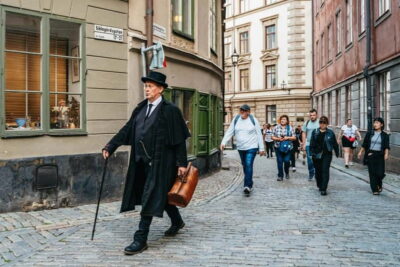 ★ 4.7Ghost Walk and Historical TourFrom $312,206 reviews
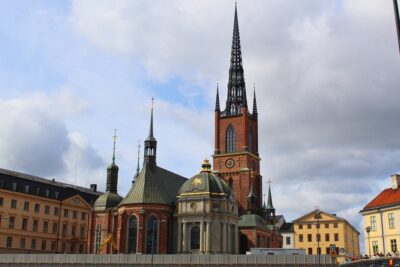 ★ 5.0Walking Tour of Stockholm Old TownFrom $241,175 reviews
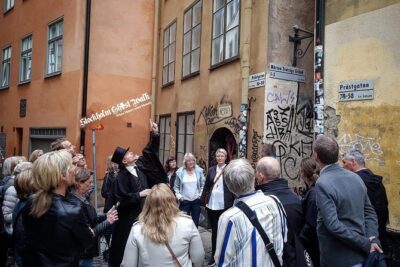 ★ 4.5The Original Stockholm Ghost Walk and Historical Tour – Gamla StanFrom $381,165 reviews
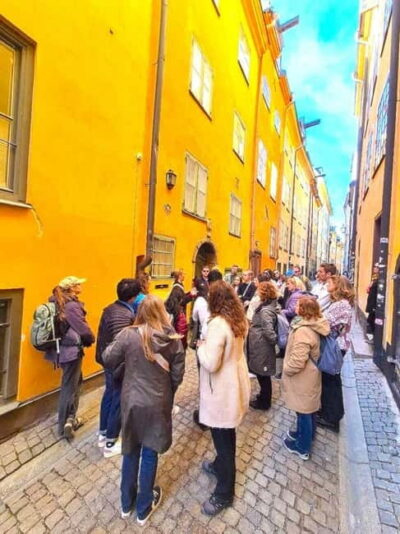 ★ 4.7Old Town Walking Tour with Local GuideFrom $15719 reviews
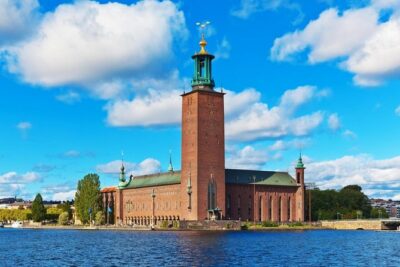 ★ 5.0Best of Stockholm Walking Tour-3 Hours, Small Group max 10 peopleFrom $49645 reviews
 ★ 4.5The Nordic Food Walk StockholmFrom $122642 reviews
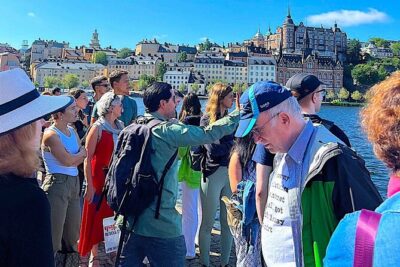 ★ 5.0Walking Tour of Stockholm’s Old Town, Gamla StanFrom $13451 reviews
 ★ 4.9Old Town Historical Walking TourFrom $52344 reviews
Browse the lists this tour appears in