
Reviewed · STOCKHOLM GHOST & FOLKLORE WALKS
Bloody Stockholm 2h – ghosts, horror and Dark Folklore Tour
Old Town gets a lot darker on this walk. Bloody Stockholm is a street-level tour built around Swedish folklore (vaesen) and the brutal history tied to it, moving you through narrow streets where the stories still feel close.
I like that the tour blends spooky scenes with practical detail: iron protections for doorways, why baptisms supposedly needed safeguards, and how people explained death when they thought souls couldn’t rest. I also like the storytelling tone—entertaining, fast-moving, and funny in spots—so it doesn’t feel like homework.
One thing to consider: this is not a jump-scare ghost show. If you want pure scares and costumes, you might find it more of an informative stroll that uses horror themes to teach you.
In This Review
- Key things I’d mark on your map before you go
- Enter Stortorget: Blood Magic, Executions, and Folk Explanations
- Prästgatan: A Short Walk With a Street-Name That Feels Like a Warning
- Stockholm Old Town and the Front Door: Iron, Elves, Tomte, Trolls, and Baptism
- Logårdstrappan and Water Spirits: Näcken and the Art of Being Lured
- Kungsträdgården: Forest Creatures, Myrling, and the Threat You Can’t Fence Out
- Outside S:t Jacobs Kyrka: Church Doors, Exorcism Themes, and Punishing Enemies
- Your Guide, the Pace, and Why This Works Even When You’re Not a Folklore Expert
- Route Logistics: Start at Nobel Prize Museum, Finish by Kungsträdgården
- Who This Tour Fits Best (and Who Might Want Another Style)
- Value and What You Get for Your Time
- Should You Book Bloody Stockholm?
- FAQ
- How long is the Bloody Stockholm tour?
- Is the tour offered in English?
- Where do I meet for the tour?
- Where does the tour end?
- Do I get a mobile ticket?
- Can I cancel for free?
Key things I’d mark on your map before you go
- Stortorget’s execution-era stories, including the idea of blood and body parts used in folklore curses
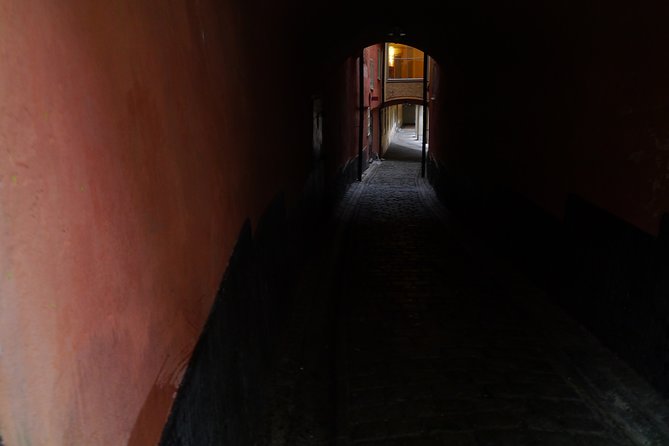
- Prästgatan’s former name, Hell, which adds a real edge to a short stretch of street
- Doorway protection lore: iron against vaesen, and specific protections tied to newcomers and baptisms
- Water-spirits focus at Logårdstrappan (Näcken, bäckahästen/kelpie-style figure, Sjörå, skepps-rå)
- Forest and undead creatures at Kungsträdgården, including Skogsrået/huldran and Myrling
- Church exorcism themes outside S:t Jacobs Kyrka, centered on protection and punishment
Enter Stortorget: Blood Magic, Executions, and Folk Explanations
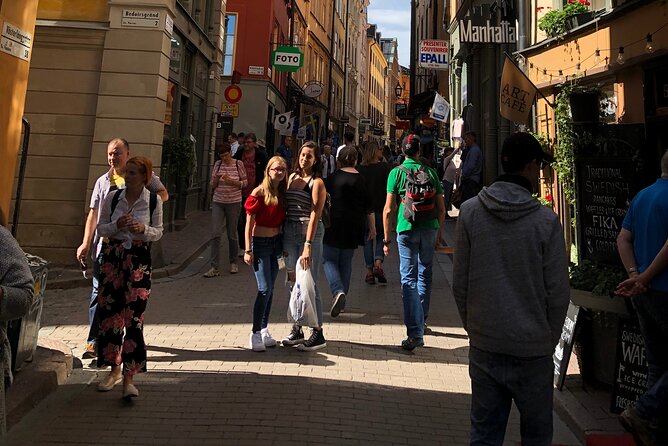
You start where Stockholm’s center energy still hits hard: Stortorget. The vibe here is right for the theme. This part of the walk turns the square into a story engine, linking executions and the shock of public death to the kind of folklore that tried to make sense of it.
You’ll hear how, when Danish King Kristian took Stockholm, the city became associated with deaths of around 90 people. That number matters less than what it represents: the fear and grief that followed mass punishment. From there, the guide connects death to folklore beliefs—like the magical use of blood of the dead for curses, and why certain body parts showed up in tales meant to affect good or evil outcomes.
Practical note: because this is outdoor walking, you’re looking up, reading the air, and listening. If the weather is turning, keep your jacket ready—this part is quick, but the message is heavy.
More ghosts, folklore and dark corners after dark

Prästgatan: A Short Walk With a Street-Name That Feels Like a Warning
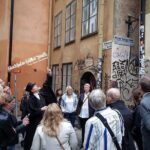
Next you move to Prästgatan, where the tour leans into a single detail that changes how you see the street. Historically, it was called “Hell,” and the guide uses that name to bring you into the older mindset of the city.
This stop is only around ten minutes, so don’t come expecting a slow museum-style pause. Instead, it’s about getting the symbolism into your head: the way people labeled places based on fear, danger, or what happened there.
If you like tours that let you mentally re-skin a place, this stop is a fun palate cleanser before the Old Town sections get more specific.
Stockholm Old Town and the Front Door: Iron, Elves, Tomte, Trolls, and Baptism
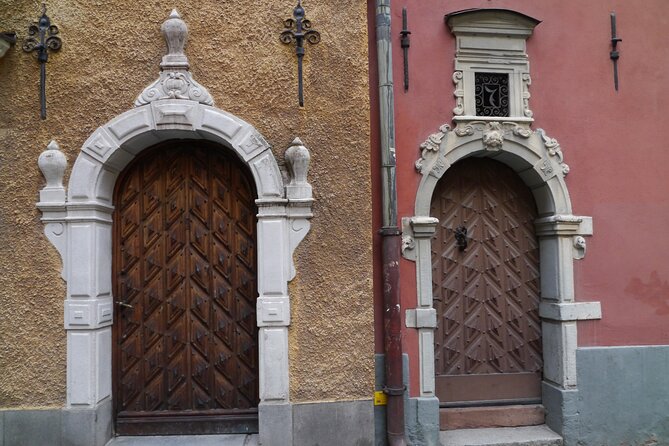
Now the tour really locks in. In Old Town, you’ll spend time at the door of a house and the guide explains how protection mattered in everyday life—even when the threat was supernatural.
Here’s the core idea: people used iron as a kind of spiritual barrier. The guide also talks about guarding against vaesen like elves associated with mist—described as souls that don’t get rest. That’s a very Scandinavian twist on the usual ghost-tour message: instead of one haunting “spirit,” the fear is about restless beings and the conditions that keep them around.
You’ll also get the Swedish Tomte into the mix, which helps balance the darker figures. And then there’s one of the tour’s most striking angles: protection for the newborn before baptism. The theme is that the world wasn’t automatically safe for a child at that moment—protection was something you did, not something you hoped for.
Potential drawback: because this stop covers multiple creatures and multiple protection rules, it’s easy to lose the thread if you drift for a second. Stay present, and you’ll come away with a cleaner mental model of how these beliefs worked.
Logårdstrappan and Water Spirits: Näcken and the Art of Being Lured
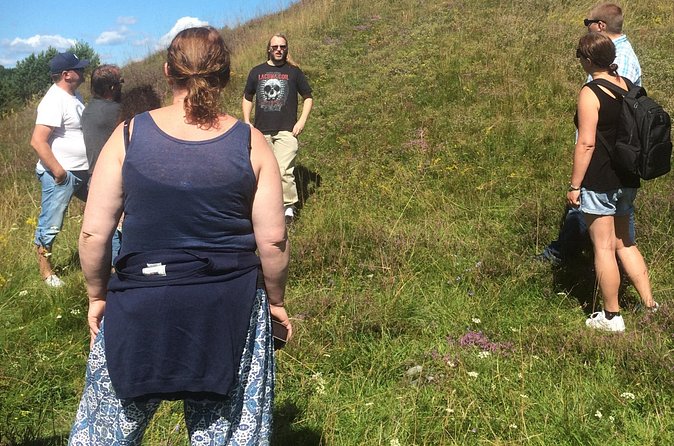
At Logårdstrappan, the subject shifts to water—one of the most effective horror settings in folklore because water can look calm and still be deadly.
This part focuses on vaesen connected to water and the ways they supposedly tried to control people. You’ll hear about Näcken, the bäckahästen (a Swedish take that’s often compared to the kelpie type), the Sjörå (sea-rå), and the skepps-rå (skiprå). The story pattern is consistent: lure, isolate, and pull someone into the deep.
Even if you don’t buy the supernatural parts literally, the folklore logic is fascinating. These tales reflect real human danger—drowning, cold water, bad footing—packaged into characters that make the risk feel personal.
Weather tip: if it’s raining or slick outside, watch your footing. The tour moves on a schedule, and you’ll want both hands free for balance.
Kungsträdgården: Forest Creatures, Myrling, and the Threat You Can’t Fence Out
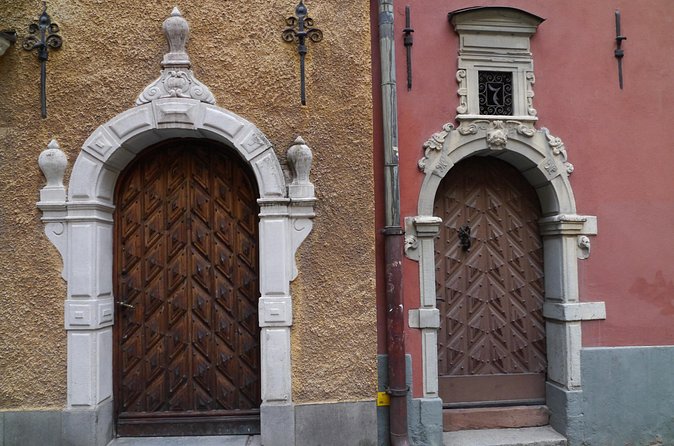
Kungsträdgården is where the tour widens the cast. You start exploring other vaesen connected to the past that felt like they belonged to the edges of human life—especially forest spaces.
You’ll hear about Skogsrået (also described as huldran), plus the undead living child called Myrling. These aren’t just “monsters.” They show how folklore could explain what society feared most: being powerless in the wild, or confronting a child-related tragedy without an easy answer.
This stop runs longer than some of the earlier ones (around twenty minutes), so it’s usually where the guide gets room to connect themes. Expect more than one story, and expect the guide to help you see the pattern across the different creatures.
If you love myth that feels tied to geography—forest here, water there—this is one of the best segments.
More Stockholm trips we have been out on and rated


Outside S:t Jacobs Kyrka: Church Doors, Exorcism Themes, and Punishing Enemies
The tour ends with religion-themed protection and punishment outside S:t Jacobs Kyrka. This isn’t an inward, sit-down church visit. It’s an outdoor talk about the church’s role as a place that shapes safety and answers fear.
The guide explains ideas around the church door and so-called weak points. You’ll also hear about exorcism connected to baptism—again returning to the tour’s recurring point that safety wasn’t assumed for the young.
Finally, the stop turns sharper: what you might do if you had a worst enemy to punish. That’s the dark folklore engine at full power—how religion, folk belief, and fear of harm can mix into stories that feel practical to the people who told them.
Respect note: keep your voice low and your attention steady here. It’s an outdoor church area, and the tone of the subject deserves a little courtesy.
Your Guide, the Pace, and Why This Works Even When You’re Not a Folklore Expert
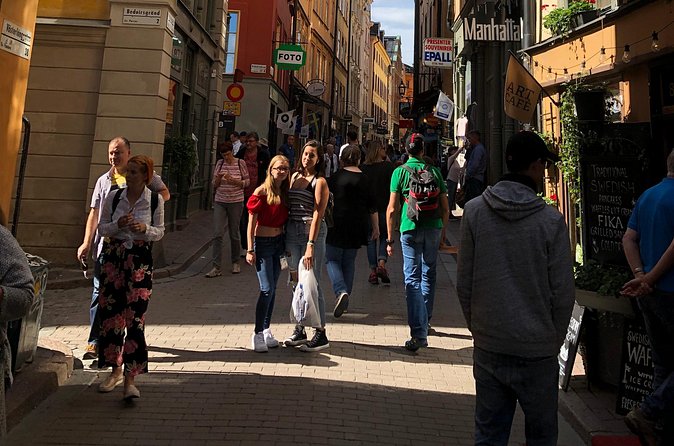
This tour is led by a guide, and you’ll be walking and listening in English. The tour keeps moving through Old Town, so you’re not stuck at one spot for long.
Group size is capped at a maximum of 30, which matters. Smaller groups tend to make it easier to ask questions and get follow-up detail. Past experiences tied to this tour style also highlight that the guide can be both humorous and open to questions, which helps when the material gets dark.
Timing is listed as about 1 hour 30 minutes (approx.), but it can run longer if the guide has time to answer questions and keep the stories coming. If your day is tightly scheduled, plan a little buffer after the tour.
Mobile ticket tip: since it’s a mobile ticket, have your phone charged and ready. Street-based tours can be tech-dependent.
Route Logistics: Start at Nobel Prize Museum, Finish by Kungsträdgården
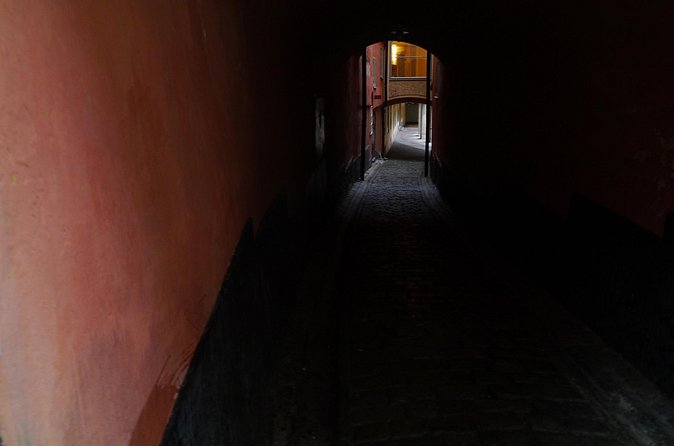
You meet at Nobel Prize Museum, Stortorget 2, and the tour ends just outside Old Town on the north side beside Kungsträdgården. The end point is outside Saint Jacob’s Church area (Västra Trädgårdsgatan 2A), and the walk back to the start is noted as about ten minutes.
This routing is actually handy. You’ll cover Old Town and then end near places you can keep exploring on foot—especially if you like pairing a darker tour with regular sightseeing afterward.
One more practical note: much of the experience is outside and on foot. Wear comfortable shoes. Old Town streets are charming, but they’re not designed for slow roaming if you lose pace.
Who This Tour Fits Best (and Who Might Want Another Style)
This tour fits you best if you like any of these:
- you enjoy folklore characters like Tomte, water spirits, and forest beings
- you want history with an emotional edge, not just dates and facts
- you prefer a walk-and-talk format through real streets
- you like guides who can answer questions and keep things lively
It may be less ideal if:
- you want a classic ghost tour with scares as the main product
- you hate dense storytelling with many names of creatures and protections
- you need an extremely structured script with minimal wandering
In other words, it’s a good match for curiosity. It’s not a jump-out-of-the-dark production.
Value and What You Get for Your Time
Even without a stated ticket price here, the value is clear in the structure. This is a guided walk with a focused theme, no extra admission stops, and a route that hits multiple “zones” of Old Town folklore—death and execution lore, household protection, water spirits, forest creatures, and church exorcism themes.
The best value comes from treating it like a storytelling route, not a checklist. If you listen for the connections—iron protection, restless souls, and protective rituals for vulnerable moments—you’ll feel like you’re learning a system, not just hearing random spooky facts.
Also, because it’s in English and geared for most participants, you don’t need a background in Swedish folklore to follow along.
Should You Book Bloody Stockholm?
Book it if you want an evening walk that makes Stockholm feel mythic and human at the same time. You’ll get the dark side—executions, blood magic themes, and creatures that explain fear in old ways—without turning it into pure spectacle.
Skip it if you want only paranormal activity, loud scares, or a tour that avoids grim historical topics. This one uses horror and folklore to teach you how people once interpreted death, danger, and protection.
If you’re flexible, comfortable walking, and curious about how the city’s stories grew, Bloody Stockholm is a strong pick for Old Town night energy.
FAQ
How long is the Bloody Stockholm tour?
The tour is listed at about 1 hour 30 minutes (approx.), though the guide may keep talking if questions come up.
Is the tour offered in English?
Yes. It is offered in English.
Where do I meet for the tour?
Meet at Nobel Prize Museum, Stortorget 2, 103 16 Stockholm, Sweden.
Where does the tour end?
It ends just outside Old Town on the north side next to Kungsträdgården, by Saint Jacob’s Church (Västra Trädgårdsgatan 2A, 111 53 Stockholm).
Do I get a mobile ticket?
Yes. The tour uses a mobile ticket.
Can I cancel for free?
Yes. You can cancel for a full refund up to 24 hours before the experience start time.
More Tours in Stockholm

More Tour Reviews in Stockholm



More Stockholm Ghost & Folklore Walks

Just Added: The Latest Stockholm Reviews


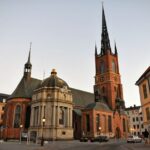








Stockholm Ghost & Folklore Walks, compared.
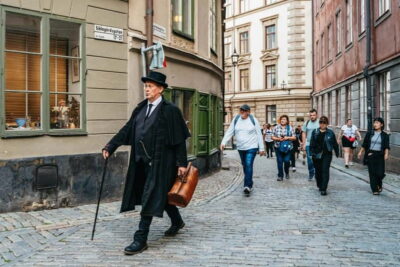 ★ 4.7Ghost Walk and Historical TourFrom $312,206 reviews
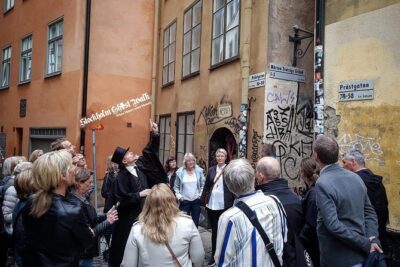 ★ 4.5The Original Stockholm Ghost Walk and Historical Tour – Gamla StanFrom $381,165 reviews
 ★ 4.5CityQuest in Stockholm – To See Stockholm and DieFrom $2016 reviews
 ★ 4.0Stockholm Troll Hunt: Self-Guided Old Town AdventureFrom $714 reviews
 ★ 4.8Bloody Stockholm: ghosts, horror and dark folklore 2hFrom $8912 reviews
 ★ 4.5Guided Ghost Tours with Actors From StockholmFrom $378 reviews
 ★ 5.0Stockholm Syndrome Private Walking TourFrom $4188 reviews
 ★ 4.5Stockholm Self-Guided Murder Mystery Tour by the Royal PalaceFrom $216 reviews
Browse the lists this tour appears in