

Reviewed · DJURGåRDEN ISLAND MUSEUMS
Stockholm: The Skansen Aquarium Entry Ticket
Few places mix aquariums and animals so casually.
Skansen-Akvariet inside Skansen feels like a small animal world where you can see creatures from different habitats without needing a plane ticket. I like that it’s not just about watching fish; you’re walking through an ark-like animal facility built up over decades, with many species living side by side.
What I especially like is how hands-on the experience can be—pet a snake and a tarantula on weekends and school holidays, and on sunny summer days (May to September) you can walk among ring-tailed lemurs in their enclosure. The other big win for me is the animal variety: you’re in the same visit for fish and coral reef displays plus monkeys, lizards, snakes, spiders, crocodiles, parrots, turtles, scorpions, sloths, and more.
One thing to think through: you’ll need a separate entry ticket to Skansen to reach Skansen-Akvariet. If you only want the aquarium and you’re visiting when you won’t spend time in Skansen’s outdoor area, the total cost can feel a bit awkward.
In This Review
- Key highlights to know before you go
- Skansen-Akvariet at Skansen: what your entry ticket really includes
- From the Skansen entrance to the aquarium route (and how to not waste time)
- The animal mix: fish, reptiles, predators, and why it feels like an ark
- Weekend and school-holiday petting corner: snake and tarantula
- Seasonal lemur encounters on sunny days (May to September)
- Price and logistics: is $18 a good deal?
- What to do with a 1-day ticket: building your perfect animal loop
- Who this works best for (and who might want a different plan)
- Practical details that make planning easier
- Should you book Skansen-Akvariet entry?
- FAQ
- Do I need a separate ticket to Skansen to visit Skansen-Akvariet?
- What is included in the Skansen-Akvariet entry ticket?
- Can I pet a snake or a tarantula?
- When can I walk among the ring-tailed lemurs?
- Is Skansen-Akvariet entry valid for more than one day?
- Is Skansen-Akvariet wheelchair accessible?
Key highlights to know before you go
- Separate Skansen ticket required: Skansen-Akvariet entry is not enough on its own
- Snake and tarantula petting on weekends and school holidays
- Lemur walking (seasonal) on sunny days from May to September
- More of an ark than an aquarium after 40+ years of additions
- Over 30 species in a cozy indoor setting
- Wheelchair accessible for easier planning
Skansen-Akvariet at Skansen: what your entry ticket really includes
Skansen-Akvariet is sold as its own ticket, and that’s important. Your $18 entry (1-day validity) covers entry to Skansen-Akvariet only—not Skansen itself. In practice, that means you start your day at Skansen, show your Skansen ticket, then head to the aquarium.
The reason this matters for value is simple: Skansen is its own destination. If your plan is to spend most of your time inside the animal facility, you may feel like you’re paying for extra access you don’t fully use. If, on the other hand, you were already planning to wander around Skansen grounds, the combined day makes a lot more sense.
Inside Skansen-Akvariet, you’ll find more than fish tanks. The facility is designed as a close-up animal experience. You’ll see fish and coral reefs, but the main idea is that you’re meeting a wide range of species in one indoor route—a compact way to cover lots of animals in a single stop.
More of Djurgarden, from Skansen to the ABBA Museum



From the Skansen entrance to the aquarium route (and how to not waste time)
Your meeting point is straightforward: enter the Skansen main entrance using your separate Skansen ticket. Once you’re inside, go up the stairs, then head to the right.
That little direction tip is worth taking seriously because Skansen can feel bigger than people expect. If you’re arriving with a bit of urgency—say, you want to catch petting hours if they’re offered that day—getting to Skansen-Akvariet fast keeps your whole visit calmer.
After you find the entrance, you’re walking through a cozy facility rather than passing endless hallways. The layout is meant to keep you moving through viewing areas where you can slow down and actually look at animals close up.
The animal mix: fish, reptiles, predators, and why it feels like an ark
Skansen-Akvariet has a clear theme: it’s part aquarium, part animal sanctuary, part “learn-as-you-go” exhibition. Over the years it’s expanded with new animals and experiences, and it’s now described as more of an ark than a traditional aquarium.
You can expect displays and enclosures for over 30 different species. The animal list you may encounter includes monkeys, lizards, snakes, spiders, crocodiles, parrots, turtles, scorpions, sloths, and many others. That range is a big deal if you’re traveling with kids, teens, or anyone who gets bored by repeating the same kind of habitat over and over.
It’s also a good choice if you’re not a specialist. Even if you don’t know what you’re looking at, the mix makes it easier to get drawn in by something you recognize—like a turtle or a parrot—then keep going to animals you might only ever see behind glass elsewhere.
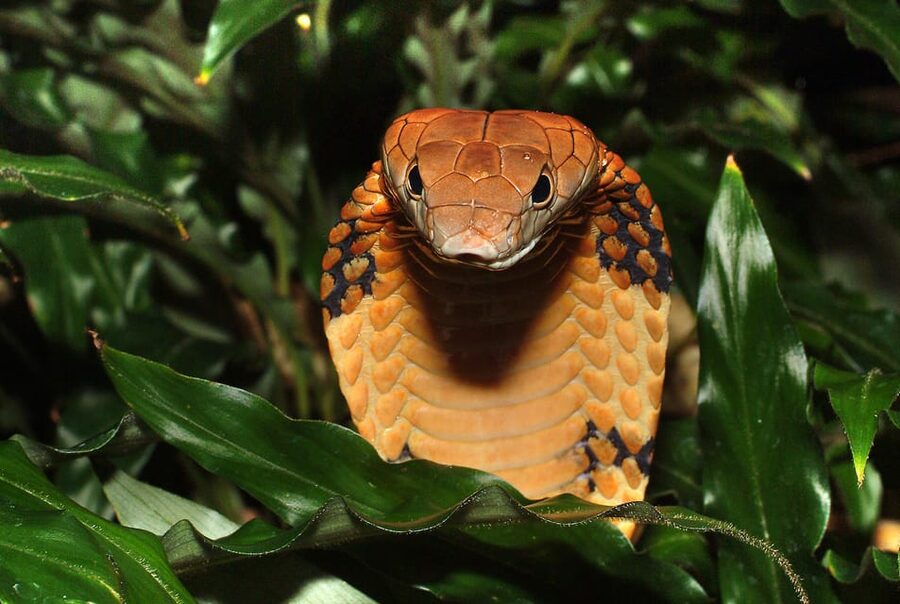
One important note: close contact does not mean cuddling. The experience makes it clear that you don’t get to cuddle animals like baboons or cobras. So set expectations for hands-on opportunities that are specifically offered (more on that next), and otherwise plan for observation.
Weekend and school-holiday petting corner: snake and tarantula
The most hands-on highlight is the petting corner. On weekends and school holidays (as defined by Stockholm’s school holiday calendar), you can pet a snake and a tarantula.
This is the kind of add-on that changes the whole vibe of a zoo-style stop. For many families, the viewing is fun—but the chance to physically interact with an animal (when the opportunity is offered) is what makes it memorable.
Two practical tips help you get the most from this:
- Go early in your visit window so you’re less rushed if lines form.
- If you’re traveling with kids who are nervous around reptiles or spiders, this is still the best day to bring them because the facility openly offers it, rather than you hoping animals will be cooperative.
Also, remember that petting availability is day-dependent. If you’re visiting on a weekday outside school holidays, you may still enjoy everything else, but you shouldn’t assume the petting corner is operating that day.
Seasonal lemur encounters on sunny days (May to September)
On sunny days from May to September, you can walk among ring-tailed lemurs inside their enclosure.
This is a big deal for two reasons. First, it’s not just a “look from the glass” experience. Second, it’s weather-dependent, so your best plan is to match your Stockholm day to the forecast when possible.
If you’re visiting in summer, this is one of the reasons to prioritize Skansen-Akvariet over other indoor options. It brings a little outdoor magic indoors—because the lemurs’ enclosure access is tied to those warmer, brighter days.
If you’re visiting outside May to September, you won’t plan around this. Your visit will still be excellent for animal variety, but you should treat the lemur walking as a seasonal bonus rather than a guaranteed feature.
More Stockholm sights indoors, tickets sorted





Price and logistics: is $18 a good deal?
At $18 per person, the Skansen-Akvariet entry ticket can be good value because it bundles access to a concentrated animal collection—over 30 species—plus the chance of special encounters on certain days (petting corner; seasonal lemur walking).
But the real value equation includes the second ticket. You’ll need an additional entry ticket to Skansen to access Skansen-Akvariet. That means your total spend is not just the aquarium price.
Here’s how to decide quickly:
- If you’re already planning to spend time at Skansen’s outdoor grounds, then the aquarium entry is usually a smart add-on.
- If you’re visiting in winter or a cold month and you’re only interested in indoor animals, the extra Skansen ticket may feel like money for access you won’t use.
That consideration comes up a lot in Stockholm. The aquarium part is warm and comfortable; the rest of Skansen depends on weather and your willingness to walk around outdoor areas. If you’re paying for the aquarium experience alone, do the math early so you don’t end up feeling surprised by the total.
What to do with a 1-day ticket: building your perfect animal loop
Your ticket is valid for 1 day, and that’s actually ideal. Skansen-Akvariet is easy to fit into a broader Stockholm plan without feeling like you need a full itinerary.
A smart way to structure your day:
- Start at Skansen-Akvariet for the animals that depend on timing (petting corner and seasonal lemurs).
- Then, if you have energy and weather allows, expand outward into the rest of Skansen since you already paid for access.
If you’re the type who loves animal spotting, take your time in areas with reptiles and invertebrates. Spiders, scorpions, and snakes are part of what makes this facility feel different from a standard aquarium. The point isn’t only to see them—it’s to actually observe how they’re displayed and what kind of behavior they show in a setting built for education and closeness.
If you’re traveling with kids, the hands-on opportunity is the heart of the day when it’s offered. Plan your route around it, not the other way around.
Who this works best for (and who might want a different plan)
Skansen-Akvariet entry is especially strong for:
- Families with kids who want a mix of animals and the chance to touch on weekends/school holidays
- Animal lovers who enjoy variety and don’t want to choose between fish and reptiles
- People who want an indoor animal stop in Stockholm that doesn’t require a full-day museum commitment
- Anyone who likes guided learning through close observation (the facility is designed for that kind of “look and understand” experience)
It’s less perfect if:
- You want only one specific animal encounter and you’re visiting outside weekends/school holidays for petting or outside May to September for lemurs
- You’re visiting in a season where you don’t plan to enjoy Skansen’s outdoor areas, because you still need the separate Skansen ticket to get in
Practical details that make planning easier
A few facts help you plan without stress:
- Duration: 1 day
- What’s included: entry to Skansen-Akvariet
- Food & drinks: not included (so plan to buy food separately if you need it)
- Wheelchair accessible: yes
- Where to go: Skansen main entrance, then stairs up and to the right
If you’re building your day around the seasonal or scheduled encounters, keep your expectations flexible. That’s the difference between a great afternoon and a mildly frustrating one.
Should you book Skansen-Akvariet entry?
Yes—if you want an animal-focused visit in Stockholm that’s more personal than a typical aquarium and you’re in town at the right time for the special moments. The price feels fair for what you get: access to a compact facility with over 30 species, plus the possibility of snake and tarantula petting on weekends/school holidays and ring-tailed lemur walking on sunny days from May to September.
Think twice if you’re only interested in the aquarium portion and you won’t enjoy Skansen’s wider grounds. In that case, your total cost rises because you need the separate Skansen ticket just to reach the aquarium—and weather can decide whether it feels like a worthwhile add-on.
FAQ
Do I need a separate ticket to Skansen to visit Skansen-Akvariet?
Yes. You need an additional entry ticket to Skansen to access Skansen-Akvariet.
What is included in the Skansen-Akvariet entry ticket?
Your ticket includes entry to Skansen-Akvariet.
Can I pet a snake or a tarantula?
Yes, on weekends and school holidays you can pet a snake and a tarantula in the petting corner.
When can I walk among the ring-tailed lemurs?
You can walk among the ring-tailed lemurs inside their enclosure on sunny days from May to September.
Is Skansen-Akvariet entry valid for more than one day?
No. The entry is valid for 1 day.
Is Skansen-Akvariet wheelchair accessible?
Yes, Skansen-Akvariet is wheelchair accessible.
More Tour Reviews in Stockholm





More Stockholm Museums & Tickets
More of Djurgarden Island

Just Added: The Latest Stockholm Reviews












Djurgården Island Museums, compared.
 ★ 4.5Skansen Open-Air Museum Admission TicketFrom $273,427 reviews
 ★ 4.8Avicii Experience Skip-the-Line Entrance TicketFrom $23763 reviews
 ★ 4.1Royal Djurgården Boat TourFrom $25639 reviews
 ★ 4.3Nordiska Museet Entry TicketFrom $19253 reviews
★ 4.0Stockholm Royal Djurgården Boat TourFrom $36150 reviews
★ 4.3Nordiska Museet Entry TicketFrom $19253 reviews
★ 4.0Stockholm Royal Djurgården Boat TourFrom $36150 reviews
 ★ 4.5Exclusive Grand Stockholm Tour Vasa & Skansen*****From $42964 reviews
 ★ 4.5ABBA Museum Fast-Track Tickets, Stockholm Pop Culture TourFrom $3556 reviews
Browse the lists this tour appears in