
Reviewed · ICE SKATING & WINTER SAUNA
Stockholm: Winter Snowshoe Full-Day Hike
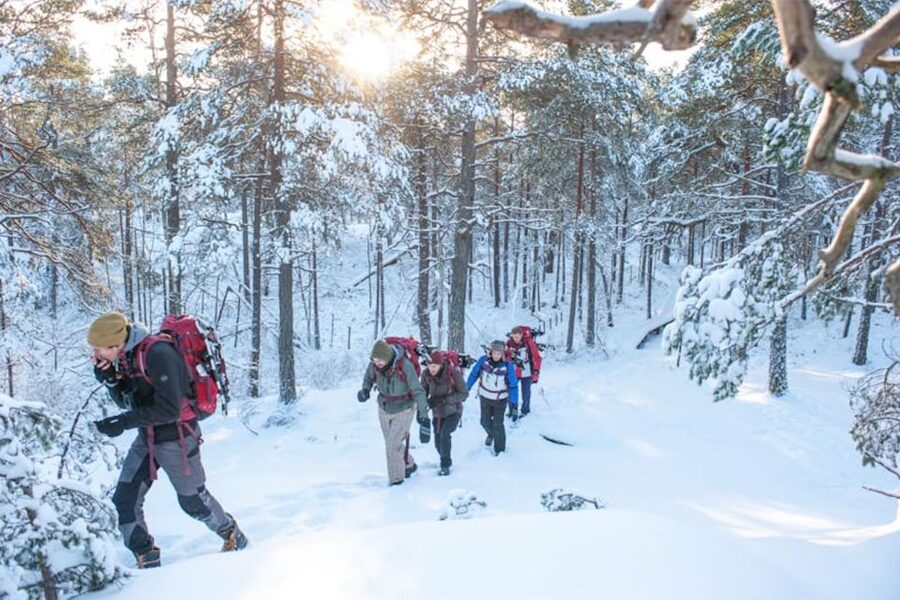
Snow turns Stockholm’s edges into something otherworldly. This full-day winter hike uses snowshoes (when conditions allow) to get you onto frozen lakes and through snowy forests just a short ride from the city. I especially liked the mix of hands-on skill—how to move on snow and ice—and the guide-led wildlife and ecosystem stories, with guides like Tigo, Eric, and George setting a friendly, question-friendly pace.
One thing to keep in mind: if there isn’t enough snow, you may swap snowshoes for ice grips and the day becomes more of a winter walk than a deep-snow trek. If your heart is set on that classic snowshoe crunch, you’ll want to be flexible about conditions.
In This Review
- Key highlights at a glance
- Winter snowshoeing that starts close to the action
- Getting your gear right: snowshoes, ice grips, and dry-bag sanity
- The meeting point walk: where to start without stress
- From pickup to safety briefing: how the group stays confident
- Forest paths and frozen lakes: the core of the day
- Campfire lunch and fika: warmth and culture in the same break
- How the guides shape the experience (and why you’ll feel included)
- Price and value: is $176 worth it for a full winter day?
- Who this snowshoe hike suits best
- Practical winter tips before you go
- Should you book this Stockholm winter snowshoe hike?
- FAQ
- How long is the snowshoe hike tour?
- Where do I meet for the tour?
- What happens if there is not enough snow for snowshoes?
- Are snowshoes included?
- What is included in the price?
- What clothing or gear do I need to bring?
- How big is the group?
- What languages are the guides?
Key highlights at a glance
- Small group (up to 8): easier pacing, more attention when learning winter footing
- Snowshoes or ice grips: the tour adapts if snow is thin
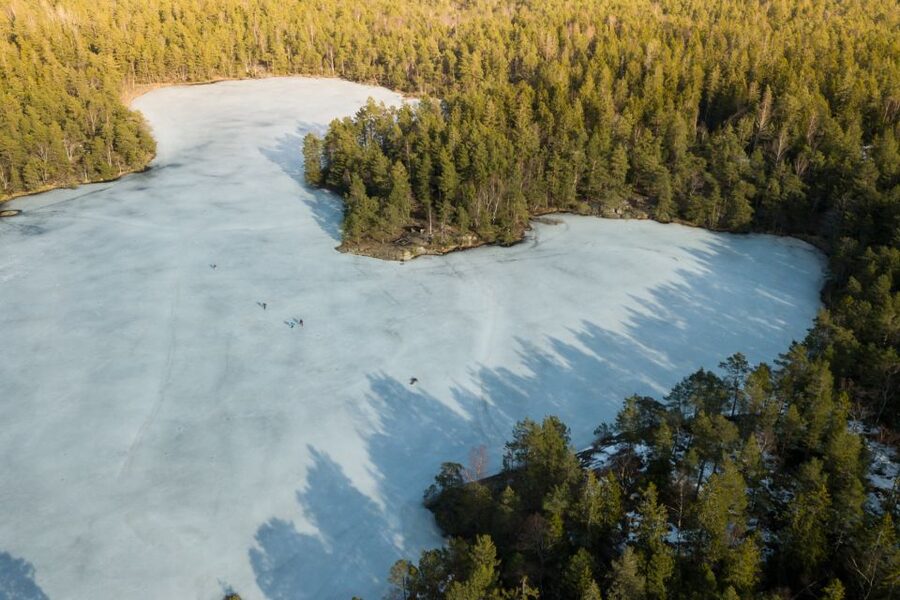
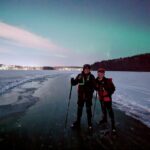
- Frozen lakes nearby Stockholm: one of the most memorable moments of the day
- Campfire lunch and warm fika: a real reset after the cold work
- Safety-focused gear and briefing: high-quality equipment plus dry bags for your stuff
- Guides with strong nature and culture talk: from Swedish wildlife to the local way of winter
Winter snowshoeing that starts close to the action
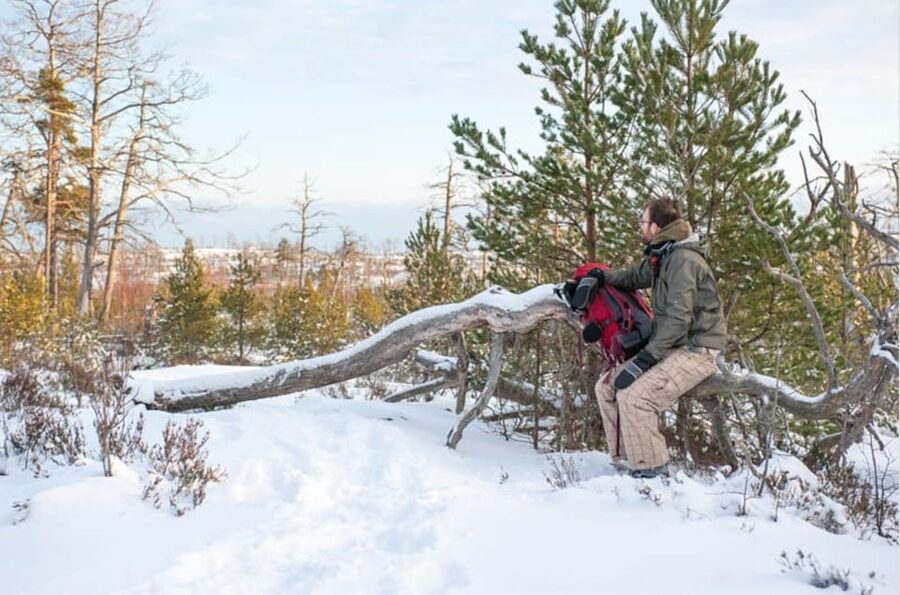
This is the kind of winter day-trip that makes Stockholm feel bigger than just city streets. You’re picked up in the city center and transferred by minivan to a snow-covered area for the time of year. Then you’re set loose with a guide and a small group, moving at a pace that’s built for learning—not rushing.
What I love about that setup is the balance. You get real outdoor time, but you’re not spending your whole day figuring out trains, rental gear, and cold logistics. And once you’re out of town, the scenery does its job: snow-covered trees, quiet paths, and that moment when frozen water turns into your walking route.
More ice, sauna and cold-water Stockholm days
Getting your gear right: snowshoes, ice grips, and dry-bag sanity
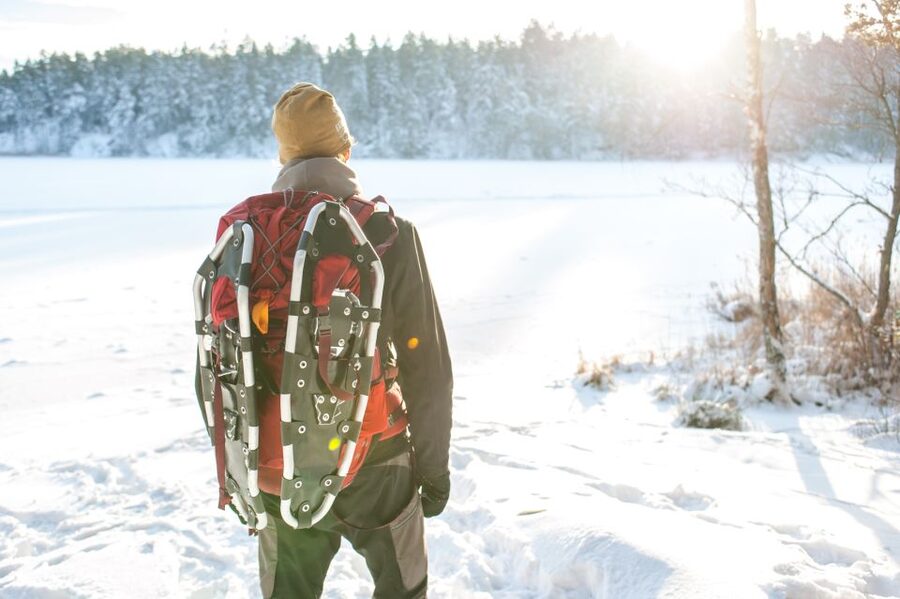
The tour includes high-quality safety equipment and dry bags for your personal items, which sounds small until you’re dealing with melting snow, slushy cuffs, or a glove you swear is waterproof and then isn’t. Dry-bag support helps you keep your phone, wallet, or extra layers protected during the wet parts of winter hiking.
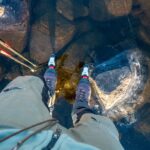
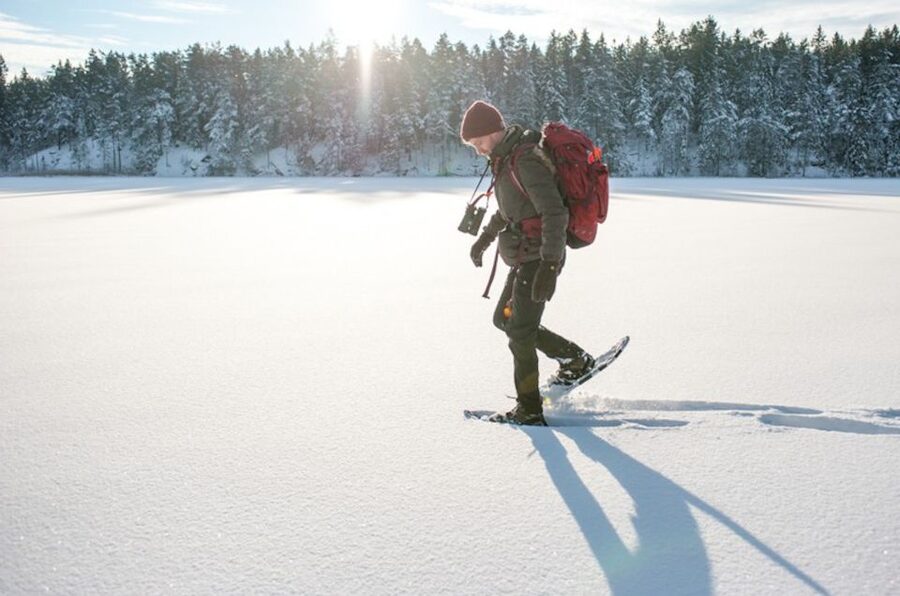
Here’s the practical pivot point: if the snow level isn’t sufficient, the guide will use ice grips under your shoes instead of snowshoes. That’s not a failure of the day—it’s smart winter management. But it does change the feel. With snowshoes, you usually get that soft, cushioned stepping over deeper snow. With ice grips, you’re still outdoors in winter beauty, but you’re walking more like a careful winter trek.
What you need to bring is just as important:
- Warm hat, gloves, and scarf
- Warm socks (and an extra pair in case yours get wet)
- A warm sweater plus a shell or waterproof layer
- Ski pants or thermal leggings and trousers
- Hiking boots (and yes, it’s worth having boots you’ve tested before)
If you show up under-dressed, you’ll feel it quickly. Winter hiking punishes thin layers, even on a guided tour. The good news is that your clothing needs aren’t mysterious—you just have to prioritize staying dry and warm.
The meeting point walk: where to start without stress
The start point is easy enough once you’re oriented. It’s a 10-minute walk from both Skanstull metro (green line) and Mariatorget metro (red line). It’s also about an 8-minute walk from Stockholm Södra station on the Pendeltåg (suburban train).
I like these options because they match different travel styles. If you’re staying near the metro, you can walk in. If you’re coming from farther out by train, Stockholm Södra is a logical anchor point. Either way, you’re not stuck hunting for a remote trailhead with no public transport nearby.
From pickup to safety briefing: how the group stays confident
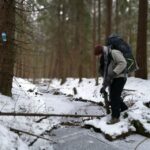
Once you’re picked up in the city center, you ride by minivan to the best winter terrain for the season. When you arrive at the trail start point, the guide gives safety instructions on how to walk on snow and ice.
That briefing matters more than you’d think. Winter footing isn’t just about being careful. It’s about learning small adjustments in step length, balance, and where you put your weight. The tour is designed for mixed comfort levels, and the structure helps you feel like you’re participating instead of just surviving.
This is also where the day’s “learning vibe” kicks in. The guide introduces Swedish wildlife and the local ecosystem as you move, so the outdoor time isn’t only about views. It’s also about understanding what you’re seeing—like deer tracks in the snow and the winter patterns around frozen water.
Forest paths and frozen lakes: the core of the day
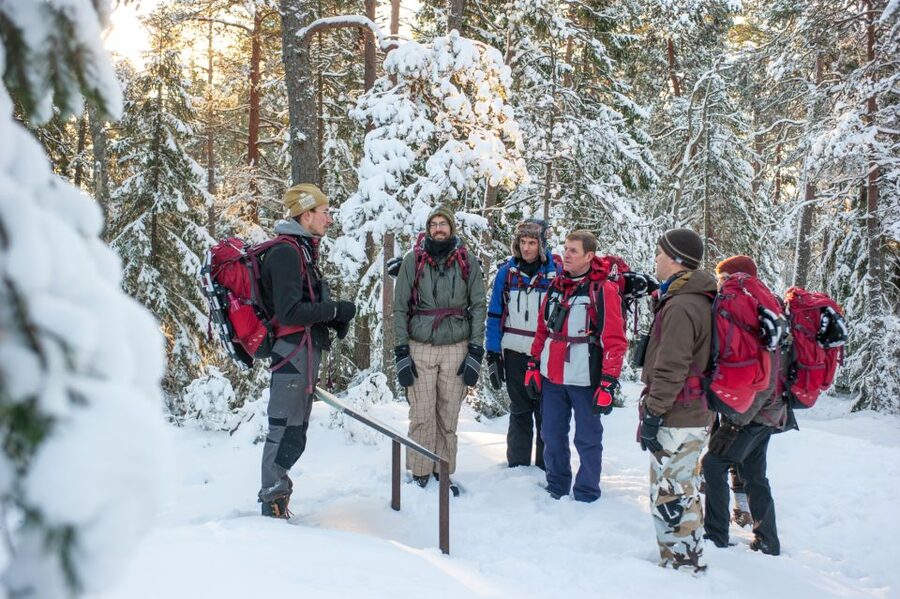
The heart of this experience is the snow-filled forest and the segments over or near frozen lakes. The tour is described as an 8-hour adventure, with the duration listed as 7 hours depending on start time. In real terms, you’re planning for a full day that includes transport, hiking, breaks, and lunch.
You’ll hike as a group, and the guide sets context along the way: what’s happening with wildlife in winter, why the ecosystem looks the way it does, and how Swedish nature changes through the seasons. If you like winter walks where you can ask questions and get answers in real time, this is the style that works.
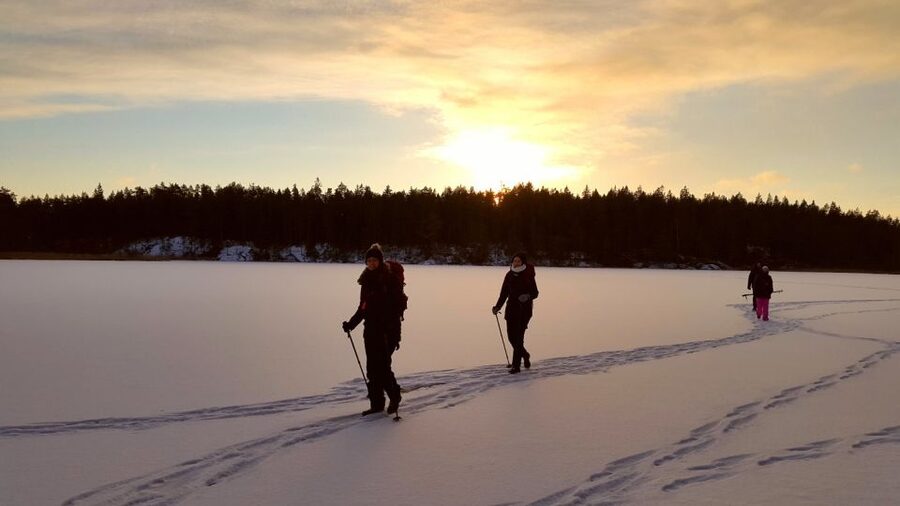
One detail I’d treat as a highlight: frozen lakes just minutes from the city center. That’s not just a marketing line. It’s the payoff of the minivan transfer. You go from city atmosphere to winter quiet quickly, and then you’re walking on frozen water in a way that feels both safe (because the guide is watching) and thrilling (because it’s unusual).
Weather plays a role, of course. Even on days without ideal conditions, the vibe stays strong. One day can be snow-rich and cinematic; another can be more muted and wet. Either way, the route is still about winter movement and Swedish nature lessons.
More hikes through the reserves and national parks
Campfire lunch and fika: warmth and culture in the same break
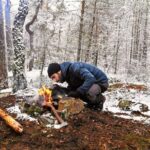
Midway through the hike, you stop for a warming lunch by a campfire. This isn’t just a snack break. It’s a temperature reset. You’ll get out of your “always moving” mode and back into “listen, warm up, and refuel” mode.
Some days also include fika, the Swedish coffee-and-snack tradition that locals treat like a genuine ritual rather than a quick caffeine stop. In one account, the group also learned something about making or tending the fire, which turns the lunch stop into an experience on its own instead of a simple pause.
The lunch is described as organically produced restaurant food. That’s a nice detail because it signals they’re not treating the meal like an afterthought. After hours of winter effort, a real hot meal matters, and campfire warmth makes it easier to enjoy the break rather than just endure it.
How the guides shape the experience (and why you’ll feel included)
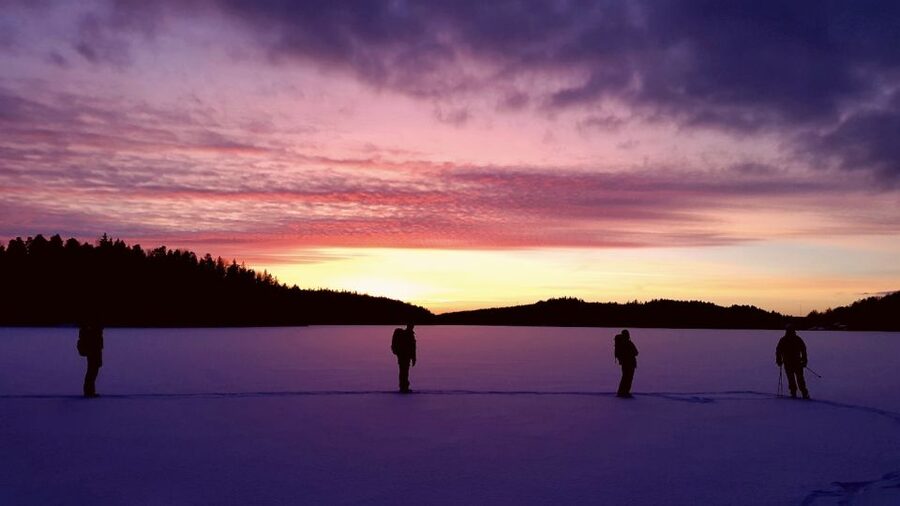
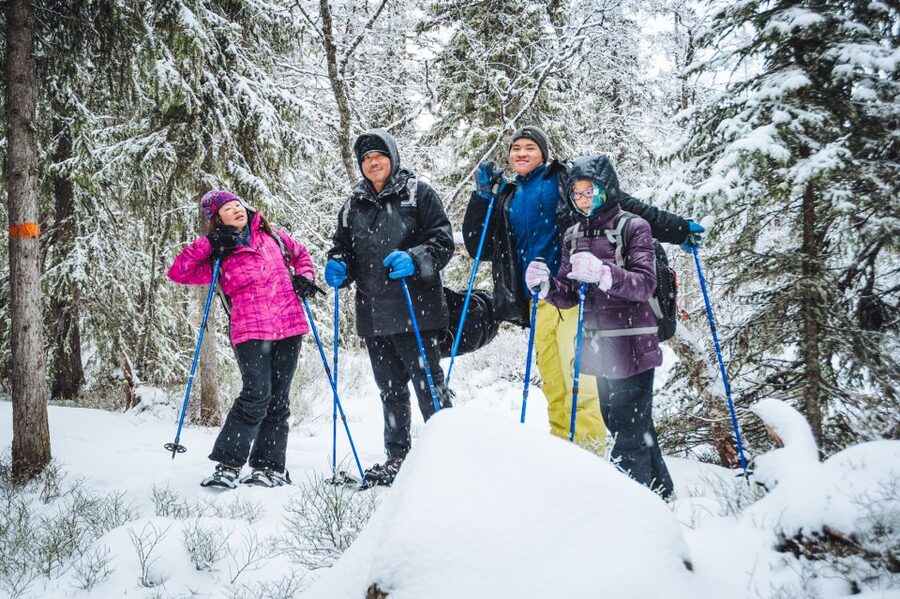
This tour is built around a live guide and a small group of up to 8 participants. That combination is what makes the day feel personal. You’re not stuck doing your own thing while the group stretches ahead.
The guides I learned about through earlier experiences stand out for different reasons, but they share one trait: they make the hike feel like a conversation. Tigo is described as friendly and strong on Swedish nature and culture. Eric is remembered for high energy and a great group ambiance. George is noted for being inclusive even when English ability varies.
You can use that information in a very practical way. If you like asking lots of questions, bring them. The format is set up so the guide can answer your curiosity while still keeping the group moving safely. And if you’re not the most confident in winter hiking, the smaller size makes it easier for the guide to check in.
Price and value: is $176 worth it for a full winter day?
At $176 per person for a day that runs roughly 7–8 hours, the question isn’t only what the hike costs. It’s what you’re buying.
You’re getting:
- Pick-up and drop-off in the city center area
- A guided tour through the winter terrain
- High quality safety equipment
- Dry bags for your personal items
- Lunch by a campfire (plus food described as organically produced)
You’re also not paying for some of the biggest “hidden costs” of DIY snow days: the gear logistics and the expertise of knowing how to handle snow and ice properly. And the tour adapts to conditions by using snowshoes when possible and ice grips when snow is thin, so you’re not just “paying for snow.” You’re paying for a guided winter outing that stays functional.
So yes, it’s a premium day. But it’s not just for thrill-seekers. It’s good value if you want an expert-led winter experience without the stress of arranging equipment, transportation, and safe route planning.
Who this snowshoe hike suits best
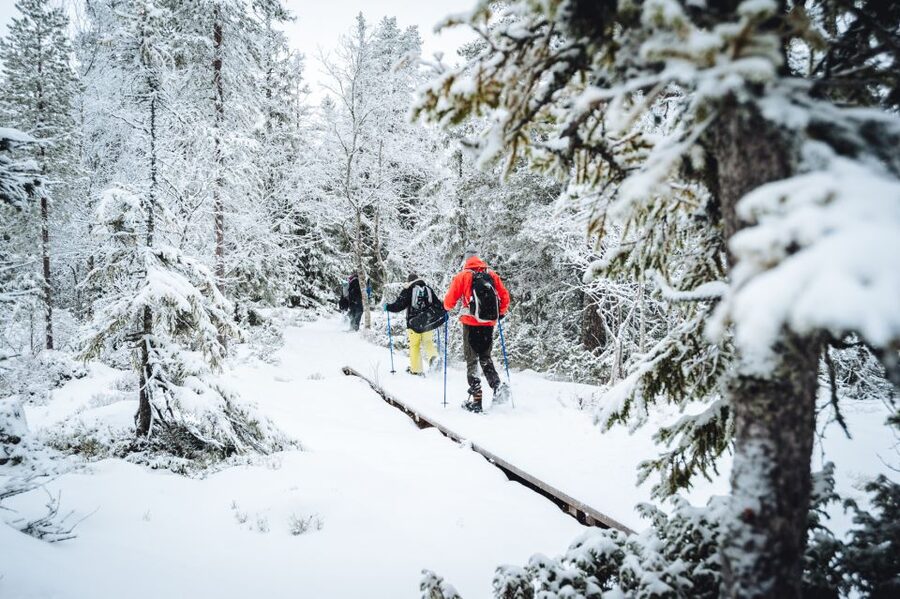
This is a great match if you want winter scenery with a structured plan. It’s also ideal if you’re traveling with mixed experience levels, because the group stays small and the guide provides safety instructions early.
You’ll likely enjoy it most if you:
- Like learning about nature as you move, not only taking photos
- Want the feel of a winter adventure close to Stockholm
- Care about a warm lunch break (and appreciate fika as part of local culture)
- Prefer small-group attention over big “tour bus” energy
If you’re the type who hates any uncertainty about snow depth, plan to be flexible. The tour adapts, and on low-snow days you may get a different version of the experience—still beautiful, just less snowshoe-specific.
Practical winter tips before you go
A lot of comfort comes down to clothing. The tour gives you equipment and safety gear, but you own the layers.
Here are the details I’d treat as non-negotiable based on what’s required:
- Bring an extra pair of socks
- Use a waterproof shell layer
- Wear warm socks and proper winter pants/leggings
- Pack hat, gloves, and a scarf, not just one or two
- Bring hiking boots you trust for winter footing
Also, arrive with a mindset of “steady and careful.” Winter walking rewards patience. You’ll likely spend time on snow and ice surfaces where your balance matters, and the guide will show you how to move.
Finally, think about your personal items. With dry bags provided, you can carry your essentials, but you still want to keep your most important stuff minimal—phone, a bit of cash, and your warm layer plan.
Should you book this Stockholm winter snowshoe hike?
I’d book it if you want a day that combines four things: easy access from central Stockholm, real winter terrain (including frozen lakes), a campfire lunch that makes the cold feel worth it, and a small-group guide-led experience that includes safety instruction and nature talk.
I’d hesitate only if you’re extremely specific about snowshoe conditions or you can’t dress for cold, wet weather. Since the tour may switch to ice grips when snow isn’t sufficient, you should come ready for a winter hike that adapts.
If that flexibility sounds like your kind of travel, this is a strong choice for experiencing Sweden’s winter ecosystem up close, with less planning stress and more time outside.
FAQ
How long is the snowshoe hike tour?
The duration is listed as 7 hours, and the experience is described as an 8-hour snowshoe adventure depending on the schedule.
Where do I meet for the tour?
The meeting point is about a 10-minute walk from both Skanstull metro station (green line) and Mariatorget metro station (red line), and about an 8-minute walk from Stockholm Södra station on the Pendeltåg.
What happens if there is not enough snow for snowshoes?
If the snow level isn’t sufficient, the tour uses ice grips under your shoes instead of snowshoes.
Are snowshoes included?
The tour provides the hiking experience with safety equipment, and it uses snowshoes when conditions allow. If snow is insufficient, it uses ice grips instead.
What is included in the price?
Included are pick-up and drop-off, an organically produced restaurant food lunch, a hiking tour with a guide, high quality safety equipment, and dry bags for personal items.
What clothing or gear do I need to bring?
You need winter clothing such as a hat, gloves, warm socks, a warm sweater, and a shell/waterproof jacket, plus ski pants or thermal leggings and trousers. Hiking boots are also not included.
How big is the group?
The group is small, limited to 8 participants.
What languages are the guides?
The live tour guide offers English and Swedish.
More Tour Reviews in Stockholm




More Nature Hikes & Parks Near Stockholm

More Ice Skating & Sauna Days
Just Added: The Latest Stockholm Reviews











Ice Skating & Winter Sauna, compared.
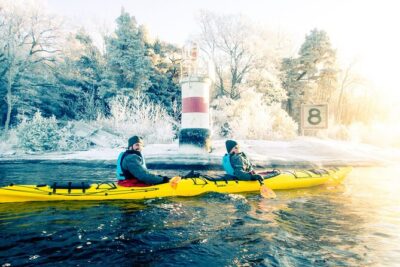 ★ 5.0Winter Kayaking, Swedish Fika and hot Sauna ExperienceFrom $160156 reviews
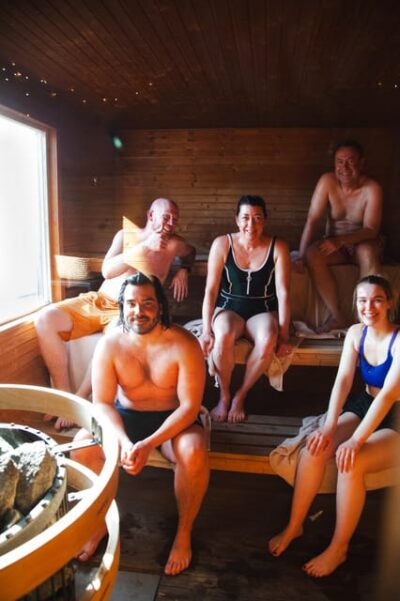 ★ 4.9Traditional Sauna & Polar Plunge in Baltic SeaFrom $16596 reviews
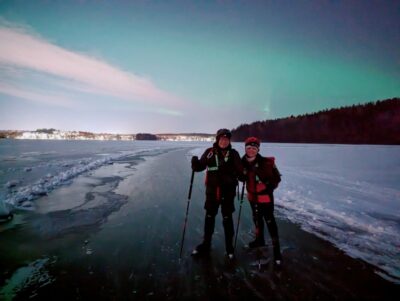 ★ 4.8Ice Skating in the Moonlight with Hot ChocolateFrom $14292 reviews
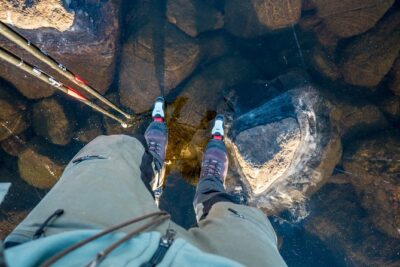 ★ 5.0Beginner friendly Nordic Ice Skating On lakes in StockholmFrom $20575 reviews
 ★ 4.5Introduction to Ice Skating on Natural Ice in StockholmFrom $24141 reviews
 ★ 5.0Snowshoe Winter Hike from StockholmFrom $19127 reviews
 ★ 4.9Fat Bike Forest Adventure with Lunch and SaunaFrom $13822 reviews
 ★ 5.0Family Friendly Private Ice Skating Tour & LunchFrom $19314 reviews
Browse the lists this tour appears in