
Reviewed · VIKING SIGTUNA & UPPSALA DAY TRIPS
Day-Trip- to-Uppsala
A day trip to Uppsala actually feels like a whole story. I love the mix of Viking burial mounds and Sweden’s university-and-cathedral heart, and I really like how the tour slows down for the Botaniska Tradgarden and Linné-related stops. One thing to consider: the day is built around several outdoor walks, so weather (and seasonal closures at specific buildings) can affect how much you see.
I also like that it’s a private format limited to your group. That means fewer awkward pauses and more time for questions, from plant science to medieval architecture. With that said, the schedule is tight enough that if you arrive late to meet the group, you can lose momentum fast.
In This Review
- Key things you’ll notice on this Uppsala day trip
- Why Uppsala feels different from Stockholm
- Private-group format and your multi-language guide
- Getting there by train, and why the timing is the whole game
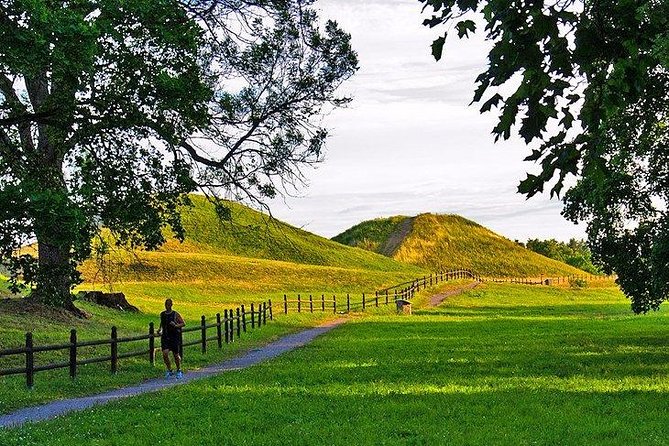
- Gamla Uppsala: Viking burial mounds and the old church museum area
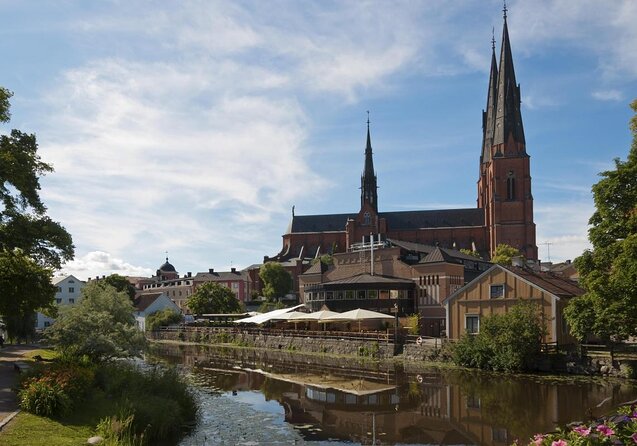
- Uppsala Cathedral area: Linné Museum, medieval cathedral, and university landmarks
- Botaniska Tradgarden: Linné’s gardens and the plant-science story
- The university courtyard stops: rune stone and the oldest library vibe
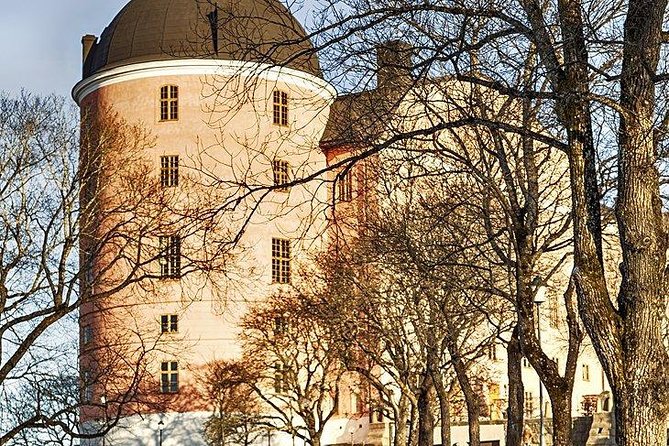
- Uppsala Castle (Uppsala Slott) and the basement coffee break
- Breakfast included, but plan for lunch on your own
- Price and value: what you’re really paying for
- Weather, closures, and why “short stops” matter
- Who this day trip suits best
- Should you book this Uppsala tour?
- FAQ
- What languages is the tour offered in?
- Is this a private tour?
- How long is the day trip to Uppsala?
- What’s included in the price?
- What’s the meeting point in Stockholm?
- Can I get a full refund if I cancel?
Key things you’ll notice on this Uppsala day trip
- Private-group pacing: only your group rides along, so the guide can adjust how you move and what you ask.
- Botaniska Tradgarden with Linné connections: you’re not just looking at plants; you’re learning why they matter in Uppsala.
- Big-ticket architecture stops: Uppsala Cathedral and the university area are major landmarks, not quick photo stops.
- Gamla Uppsala’s Viking layer: burial mounds, an old church area, and the history of pre-Christian Sweden.
- Train-based travel from Stockholm: the day leans on public rail, which keeps it simple (and avoids car logistics).
Why Uppsala feels different from Stockholm
Stockholm is all water and angles. Uppsala feels older, steadier, and more focused. It’s a university city where you’ll notice students’ presence, yes, but also where medieval walls and older religious sites still set the tone.
What makes this day trip especially interesting is the layering. You start with the pagan and Viking-era world at Gamla Uppsala, then shift into medieval power at the cathedral area, and then land in the world of science and botany linked to Carl Linnaeus. It’s not random. It’s a “how Uppsala became Uppsala” day.
More Viking days out to Sigtuna and Uppsala



Private-group format and your multi-language guide
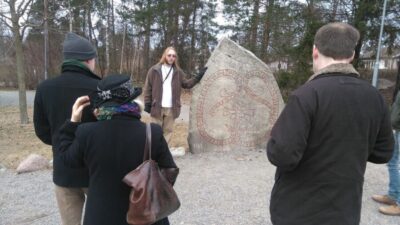
This is a private tour restricted to your own group. That matters more than you’d think on a day packed with landmarks. In a group tour, you often get a race against the clock. Here, the guide can slow down when you’re curious about a rune stone in the courtyard or why certain garden areas are preserved.
The tour is offered in English, Italian, and French, which is handy if your group has mixed language preferences. Some guides have been praised for adding humor and answering questions well, including for the Linné garden and plant details.
One practical note: “private” doesn’t mean “no walking.” It means the walking is just for your group, not for strangers. If you’re fine with moderate walking and standing, you’ll enjoy the rhythm.
Getting there by train, and why the timing is the whole game
The day trip runs about 7 hours. Transportation is included by train, which is a big deal for value and stress. You’re not coordinating cars, parking, or drivers.
The meeting and end point is Stortorget (Gamla Stan), Stockholm. Even if pickup is offered, I’d still plan to arrive a little early near Stortorget so you’re not sprinting through old-town streets at the last minute.
This tour also moves through several sites in the same west-bank cathedral/university area of Uppsala, plus Gamla Uppsala and the botanical gardens. That means fewer long, back-and-forth travel headaches and more time where you want it.
Gamla Uppsala: Viking burial mounds and the old church museum area
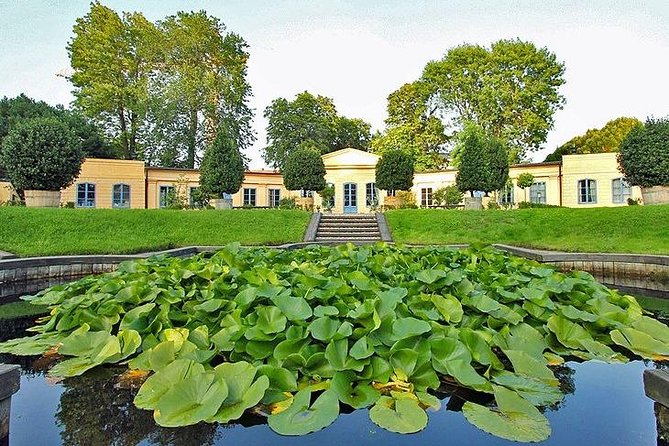
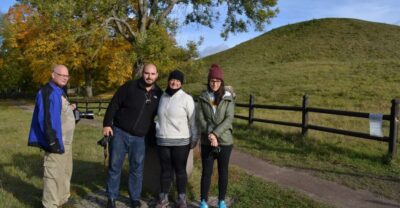
Your first stop is Gamla Uppsala, about 5 km north of the city center. This is where the day earns its “not just another cathedral stop” reputation.
You’ll visit:
- pagan Viking burial mounds
- a medieval church
- a museum connected to the area
The burial mounds are the anchor. They’re a reminder that Scandinavia’s story didn’t start with stone churches and university libraries. You’re standing in a landscape that helped shape the shift from older belief systems toward later medieval institutions.
The one-hour time at this stop is enough to get oriented without turning it into a marathon. Best approach: keep one eye on the big shapes in the area (the mounds and church surroundings) and one ear on the guide’s explanation of what you’re seeing and what it meant at the time.
Uppsala Cathedral area: Linné Museum, medieval cathedral, and university landmarks
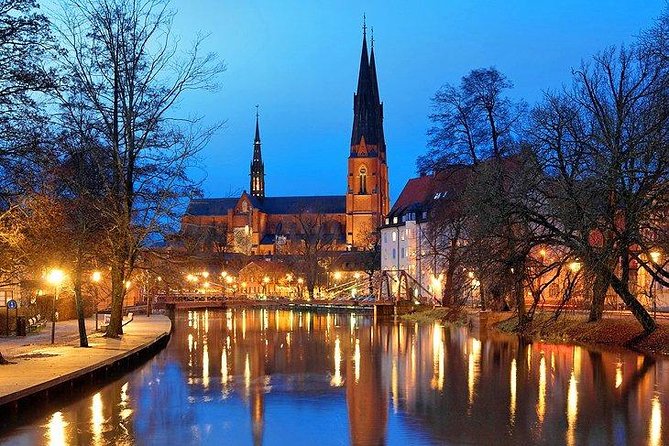
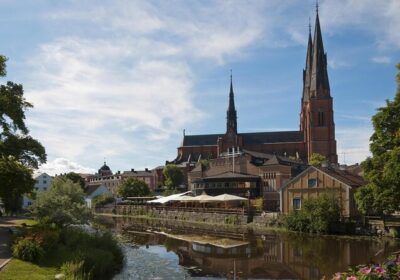
After Gamla Uppsala, you move into the cathedral and university district along the west bank of the Fyris River. This is where Uppsala shows off.
In this cluster, you’ll stop by:
- the Botanist Linné museum
- the Medieval Cathedral (Uppsala Domkyrka)
- the old university building
- Karolina Rediviva Library
- a medieval castle area nearby
You also get a later, separate short visit to the medieval church itself dating back to the 13th century. That gives you two chances to absorb the cathedral feel from slightly different angles and pacing.
Carolina Rediviva is worth the pause even if you’re not a “library person.” Libraries here are not tucked-away quiet rooms. They’re part of the university identity. It’s the kind of stop that makes you understand why a city can feel academic and historic at the same time.
Drawback to keep in mind: the cathedral/university zone can involve a lot of standing and walking between points. If your group likes frequent sit-down breaks, you may want to plan one at a café once you finish the main cluster.




Botaniska Tradgarden: Linné’s gardens and the plant-science story
Then comes one of the best parts of the day: Botaniska Tradgarden. Your time here is about 30 minutes, and the gardens and museum connect directly to where Linné lived and worked.
This stop is valuable for two reasons:
1) It turns botany from something you learn in school into something you can see.
2) It connects science to place, not just names.
Even in a short visit, you can usually spot how the gardens are organized and why they matter historically. If your group loves plants, you’ll feel like you “got it.” If your group is more neutral, the museum element helps you understand the bigger why.
A practical tip: bring a light layer even in warmer months. Gardens encourage you to stop, read, and look longer than you planned. You’ll enjoy the extra moments even if the official timing is short.
The university courtyard stops: rune stone and the oldest library vibe
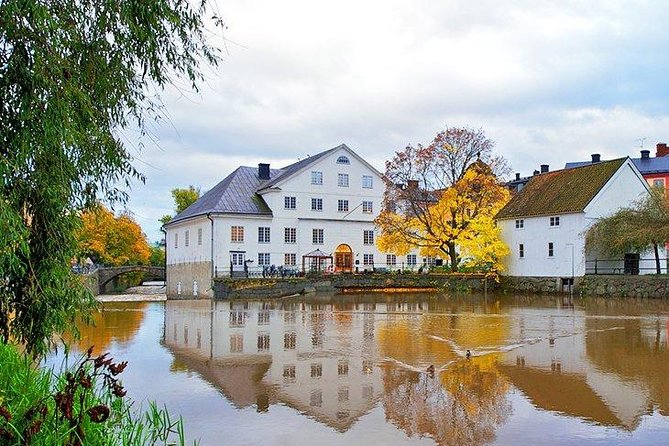
Two quick but meaningful stops round out the university theme:
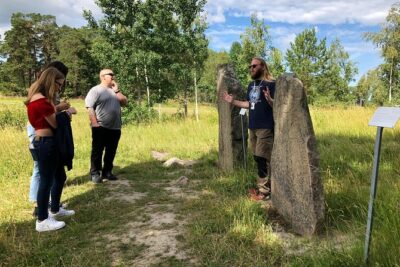
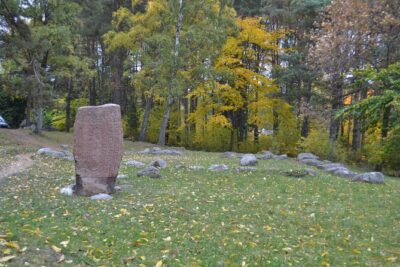
- a short look at the Uppsala University Main Building, including a rune stone from the 11th century in the courtyard
- a stop by Carolina Rediviva, the oldest university library in Uppsala from the 17th century
These are fast, but they’re also “high signal” stops. The rune stone alone can be a wow moment if you like early medieval material culture. And Carolina Rediviva adds weight to the day’s science and learning theme.
If you’re the type who enjoys architecture and details, don’t treat these as photo-only. A few minutes with a guide can change how you read what you’re seeing—especially with something like a rune stone, where context matters.
Uppsala Castle (Uppsala Slott) and the basement coffee break
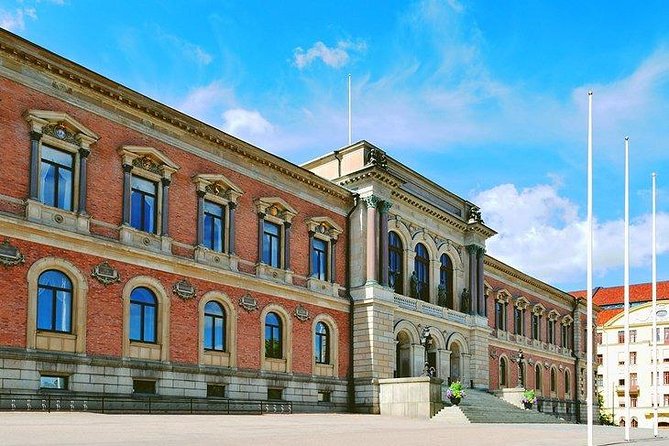
The final stop is Uppsala Castle (Uppsala Slott), dated to the 16th century. You’ll have about 55 minutes here, including time for:
- the old castle area
- an art museum
- a coffee break in the castle’s basement coffee shop
This is one of those “you’ll either love it or you’ll wish it was longer” stops. The included coffee break is a smart pacing tool, especially after hours of outdoor air and walking.
Just don’t assume the castle will always run at full capacity. Some experiences in the past have reported that specific openings can change. So if you’re traveling at a time when hours are unpredictable, I’d treat the castle as a bonus if it’s fully open—not a guarantee of every room.
Breakfast included, but plan for lunch on your own
Breakfast is included: a hot drink (coffee or hot chocolate) plus a cake or pie. That’s a nice start because it helps you handle the morning without immediately hunting for food.
What’s not included is alcohol. And while the day includes a coffee break at the castle, the data doesn’t say a full lunch is included. In practice, that means you should plan to pay for lunch or at least a snack between major sights.
If you’re traveling with kids, or anyone in your group who needs food on schedule, consider bringing a small snack from Stockholm as backup. It can save you if the day runs a bit tight.
Price and value: what you’re really paying for
At $249.11 per person for about 7 hours, you’re paying for a setup that adds up:
- train transportation
- a private-group guide experience
- included entry tickets for major stops (cathedral and museum-type visits)
- breakfast (hot drink plus cake/pie)
- a coffee break at the castle
For value, the big question is whether you’ll use the included admissions and actually enjoy being guided through the places, not just getting dropped off. If you like interpretation—why a cathedral matters, why Linné’s gardens were designed the way they were—then this price feels more justified.
If you prefer to wander independently and take photos only, the guided structure may feel expensive for what you end up using. In that case, consider doing Uppsala on your own with a fast plan.
Weather, closures, and why “short stops” matter
A day with multiple stops means each segment is brief. That’s efficient, but it also means if one site is closed or you lose time to weather, you can’t magically stretch the schedule.
Some past experiences reported that certain attractions were not open as expected, which can turn a “castle highlight” day into a more garden-heavy day than you thought. You can’t control opening hours, but you can control your mindset: arrive expecting history, gardens, and university sights, and treat any one building as a bonus if it’s fully accessible.
Weather matters too. Even with indoor museum moments, you’ll spend time outdoors around Gamla Uppsala mounds, cathedral area streets, and the gardens. On a cold or rainy day, bring layers and shoes with solid grip.
Who this day trip suits best
This tour is a strong fit if you want:
- medieval sights plus Viking-era context
- science-and-gardens history tied to Linné
- a smooth day using public transport
- a private group format where your questions get answered
It’s also ideal if your group includes mixed interests. Someone can enjoy the cathedral and castle. Someone else can focus on the gardens. The route gives each person a satisfying thread without totally splitting the day.
If your group hates walking between sites or wants long, slow museum time, you might feel the schedule is short. In that case, you could still enjoy the route, but I’d recommend adjusting expectations and bringing comfort items.
Should you book this Uppsala tour?
I’d book it if your idea of a great day is guided momentum: walking from place to place with context, then resting with coffee, and ending with the castle area and its museum time. The Linné and Botaniska Tradgarden focus is a real advantage, not window dressing.
I wouldn’t book it if your group is mainly looking for deep, uninterrupted time inside one or two buildings. Because the stops are short and some openings may vary seasonally, you could leave feeling like you paid for a “highlight” that didn’t fully deliver.
If you do book, go in prepared: wear good shoes, bring a layer for the open air, and consider a small snack for between stops. And if your trip is during a period when museums often adjust hours, double-check ahead so you’re not banking your whole day on one interior.
FAQ
What languages is the tour offered in?
The tour is offered in English, Italian, and French.
Is this a private tour?
Yes. It’s a private tour/activity, restricted to your own group only.
How long is the day trip to Uppsala?
The duration is about 7 hours.
What’s included in the price?
Transportation by train is included, along with breakfast (a hot drink plus cake or pie). Entry tickets are included for the cathedral and other attractions mentioned on the itinerary (like the museums).
What’s the meeting point in Stockholm?
The tour starts and ends at Stortorget, 111 29 Stockholm, Sweden (in Gamla Stan/Old Town).
Can I get a full refund if I cancel?
You can cancel for free up to 24 hours in advance for a full refund. Cancellation changes inside 24 hours aren’t refunded, based on the local start time.
More Tour Reviews in Stockholm

More Viking Day Trips to Sigtuna & Uppsala

Just Added: The Latest Stockholm Reviews












Viking Sigtuna & Uppsala Day Trips, compared.
 ★ 4.5The Viking Museum Exhibition and Viking RideFrom $22667 reviews
 ★ 4.0Entrance ticket to The Viking MuseumFrom $22301 reviews
 ★ 4.5Viking History, Runes & Countryside 9h Tour to Sigtuna & UppsalaFrom $298283 reviews
 ★ 4.5Viking History and Swedish Countryside Tour to Sigtuna & UppsalaFrom $274162 reviews
 ★ 4.7From Stockholm: Uppsala and Sigtuna Viking Sites TourFrom $235157 reviews
 ★ 4.5Viking History Small Group Tour from Stockholm: Half Day Including SigtunaFrom $193111 reviews
 ★ 4.5Full Day Viking Tour with Fika Swedish Coffee BreakFrom $24181 reviews
 ★ 4.5From Stockholm: Viking Culture Guided Tour with TransferFrom $19381 reviews
Browse the lists this tour appears in