
Reviewed · METRO ART & DESIGN TOURS
Scandinavian Art, Architecture and Design Tour in Stockholm
Design clues hide in plain sight.
This 3-hour Stockholm walk is built around Swedish design and architecture, starting in Östermalm and weaving in market hall details and theater landmarks. I also like the balance of guided stops plus real time to browse design shops at your own pace. One drawback: you’re moving fast, so don’t expect long museum-style time inside big institutions.
You’ll finish near major art stops at Skeppsholmen, with the Nationalmuseum area right there to extend the day if you want. And yes, the route is packed enough that it works best when you show up ready to look closely—doors, facades, storefronts, and materials—like you’re scouting a home you haven’t bought yet.
In This Review
- Key things you’ll notice on this Stockholm design walk
- Starting at Svampen Stureplan: the design-district mindset
- Östermalm streets: upholstery, antiques, and the stories behind names
- Ostermalms Saluhall: a 19th-century food hall with architectural weight
- Kungliga Dramatiska Teatern: Art Nouveau flair and stage legends
- Kungsträdgården and the origin story of falu red
- Royal Swedish Opera area: the Phantom, Stockholm-style
- Skeppsholmen finish near the Nationalmuseum: art institutions in one frame
- Price and value for 3 hours of Swedish design focus
- Who this tour suits (and who should skip it)
- Should you book this Scandinavian Art, Architecture and Design Tour in Stockholm?
- FAQ
- How long is the Scandinavian Art, Architecture and Design Tour?
- Where does the tour start and where does it end?
- Is the tour offered in English?
- What size is the group?
- Is the ticket mobile, and are any admissions included?
- What happens if the weather is poor?
Key things you’ll notice on this Stockholm design walk
- Östermalm’s design pedigree: streets lined with upholstery, antiques, and famous Swedish household-name brands.
- Saluhall’s 19th-century market architecture: you see it as a building, not just a place to snack.
- Art Nouveau theater storytelling: Kungliga Dramatiska Teatern links style, history, and famous Swedish film stars.
- Kungsträdgården as a timeline: Gothic-to-Baroque-to-modern influences, plus the story behind falu red paint.
- Skeppsholmen views with art institutions: you get the city-in-a-frame feeling plus museum context.
- Small group energy: up to 10 people, so questions land and pacing stays human.
Starting at Svampen Stureplan: the design-district mindset
Most people start Stockholm with the big-picture postcard stuff. This tour starts with something smarter: how the city shows off good taste in the everyday streets. You begin at Svampen, near Stureplan in Östermalm, and from there the walk is designed to make you notice design choices you’d normally ignore.
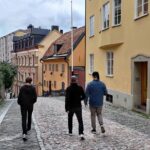
Östermalm is Stockholm’s posh side, and it has the kind of address energy that design brands love. As you move along, you’ll pass streets like Nybrogatan and Strandvägen, plus the design-and-shopping area around Stureplan and Linnégatan. The focus isn’t just on pretty buildings. It’s on why certain kinds of companies, materials, and interior styles became part of Stockholm’s identity—especially upholstery and antique house legacies.
What makes this first stretch valuable is the framing. By the time you reach later stops, you’ll already have a mental checklist:
- Do you see craftsmanship in the facade, not just ornament?
- Do materials feel local (and historically rooted), or borrowed from elsewhere?
- How do shopfronts and entrances “sell” an idea of home?
Practical tip: wear comfortable shoes. This portion is where you’ll want to slow down, look up, and keep going. You’re not just walking—you’re training your eye.
More metro art, design and Nordic architecture



Östermalm streets: upholstery, antiques, and the stories behind names
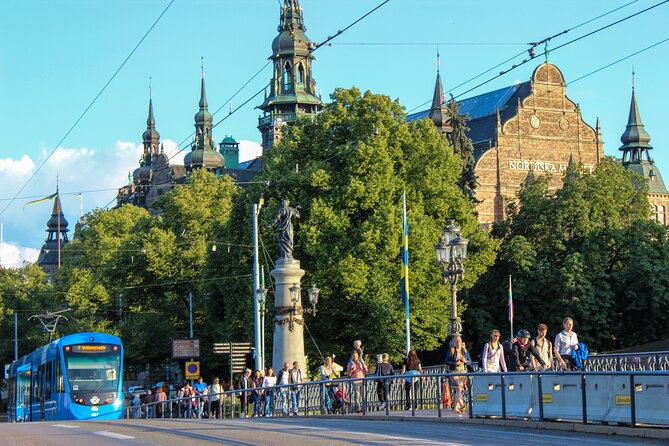
The heart of the tour is the idea that Swedish design didn’t appear out of nowhere. It grew in specific neighborhoods, supported by the kind of families and businesses that built reputations over generations. In Östermalm, you’ll be guided through the streets where those famous design and upholstery names made their mark.
Expect commentary about historical context—why these brands mattered, what their legacy looks like today, and how the neighborhood’s wealth and taste shaped what showed up on the streets. You’ll also get the sense that design here is not a museum exhibit. It’s part of daily culture: the door handle, the window proportion, the way a business displays textiles and home goods.
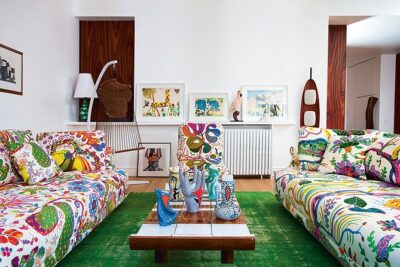
This is the portion that suits you if you like design but find museum timelines exhausting. You get the history through storefronts and architecture, in a way that’s easy to remember. And if you’re the kind of person who loves Scandinavian interiors—soft textures, thoughtful proportions, and that clean-lined “less but better” approach—you’ll feel right at home.
Possible catch: if you expect famous international “hits” every minute, this stretch is more subtle than that. The payoff is in pattern recognition and the little design details you start spotting faster and faster as you go.
Ostermalms Saluhall: a 19th-century food hall with architectural weight
Then you hit Ostermalms Saluhall, one of Stockholm’s best-known food halls. This stop is more than a break; it’s an architectural landmark dating back to the 19th century, right in the city center. You get about 30 minutes here, and the time is enough to take in the building character and taste a slice of Swedish food.
The value of including a market hall is simple: design isn’t only about chairs and theaters. It’s also about how people gather. You’ll move through the hall, and your guide will point out how the space works—how stalls, layout, and the overall structure help create a “shopping as social life” vibe.
What to do with your time here:
- Pause long enough to notice the hall’s structure, not just the line at the counter.
- Grab something typically Swedish and use it as your excuse to keep looking around.
- Keep your pace steady so you don’t lose the rest of the route.
This is also a great moment for a reset. After concentrated street design talk, it’s refreshing to stand somewhere that feels more alive. You’ll leave with both an architectural memory and a taste memory, which makes the rest of the tour land better.
Kungliga Dramatiska Teatern: Art Nouveau flair and stage legends
Next comes Kungliga Dramatiska Teatern—a landmark tied to the Art Nouveau period, and described as dating back to the 18th century. The mix of “era + age” is the kind of contrast that makes architecture stories fun here: you’re learning how styles layer over time, even when the building’s roots are older than you’d guess.
The theater is also famous because of Swedish performing culture. Your guide connects it to early-career stories of major names, including Greta Garbo and Ingrid Bergman (from Casablanca). That detail matters because it turns the building from “pretty exterior” into a place with human momentum. You’re standing at a starting line, not just a finished product.
What you’ll likely enjoy most is how the guide ties architecture to atmosphere. Even in a short stop, it helps you understand that theaters are design machines: they’re built to shape light, sound, movement, and expectations. When you see that, you start seeing design logic everywhere.
How to prepare: look at the facade and think about what kind of audience it was meant to impress. Then glance at doorways and entry spaces—small transitions often hint at how the experience inside was supposed to feel.
Kungsträdgården and the origin story of falu red
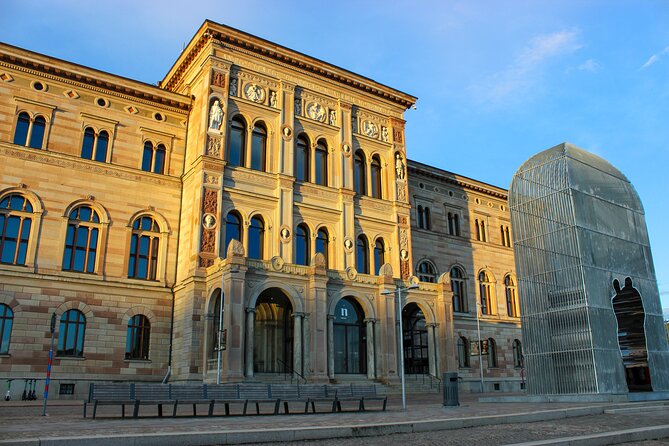
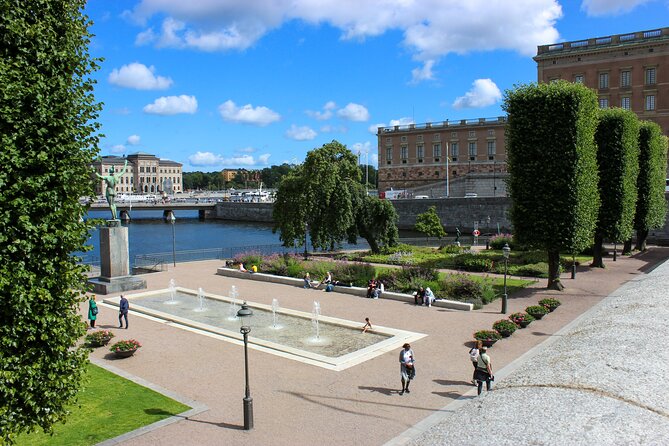
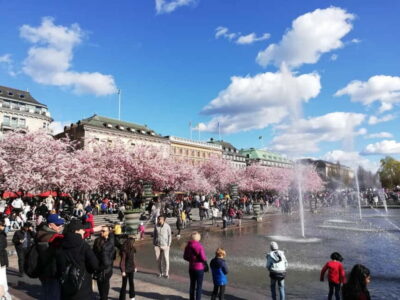
Stockholm is famous for parks, but this tour treats Kungsträdgården like a design chapter. You’re exploring green space and how it fits into the city’s architecture story—from 15th-century origins through many reinventions. The guide also walks you through Swedish architectural phases, touching on Gothic, Baroque, and modern influences.
This stop is where the tour gets especially “readable.” If you’ve ever wondered why Stockholm looks the way it does—why certain forms repeat, why color matters, why public spaces feel intentional—this is your answer in walking form.
One memorable topic is falu red paint, including the origin story of the color. The idea is that architecture and color are not random. They’re tied to local material culture and practical choices that became tradition. When you understand that, the red facades you see later feel less like decoration and more like identity.
Time is around 45 minutes here, so it’s long enough to feel like a pause without breaking the pace. Use it well:
- Step into viewpoints where you can see both the greenery and surrounding buildings.
- Notice how the park changes the feel of nearby architecture—scale, light, and spacing all shift.






Royal Swedish Opera area: the Phantom, Stockholm-style
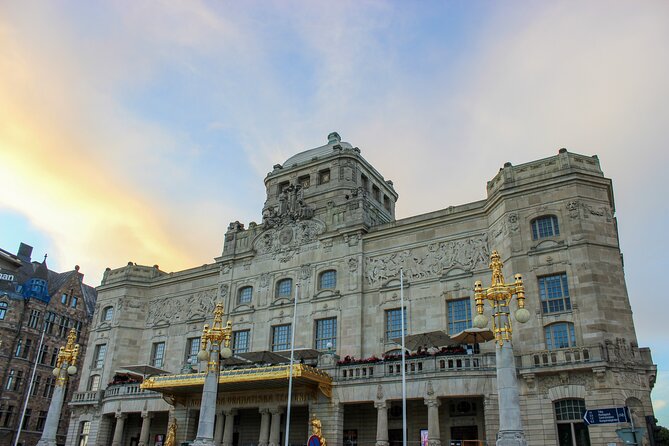
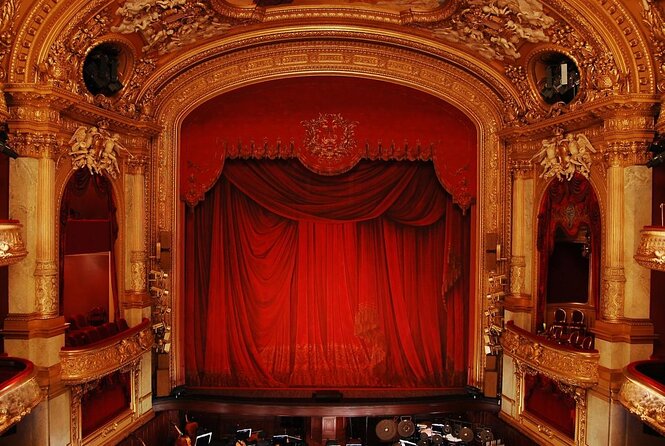
From the garden, you move into the orbit of the Royal Swedish Opera. This stop is described as a chance to hear about the “Phantom of the Opera” in Stockholm style. Even with the playful framing, the takeaway is serious: opera houses sit at the center of how cities define culture.
As you’re told stories around the building, think of the tour’s larger message: Swedish design lives at multiple scales. You have the street-level commerce of Östermalm, the social architecture of a market hall, and then the grand civic statement of an opera venue. Together they show a consistent belief—design should shape daily life, not only special moments.
The stop is short, so you won’t be lost in details. But it’s useful for connecting the earlier design threads to the bigger public-stage version of architecture.
Skeppsholmen finish near the Nationalmuseum: art institutions in one frame
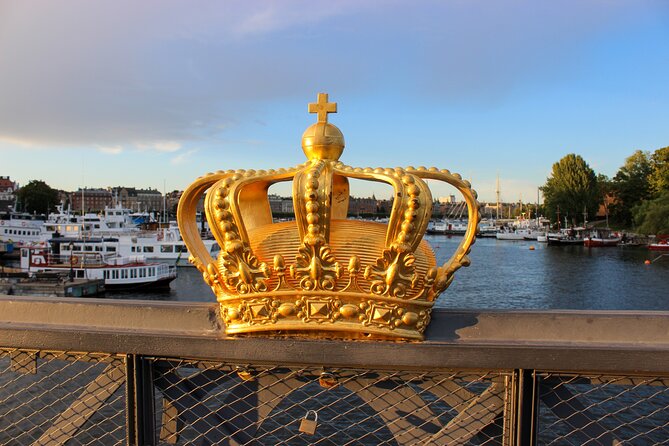
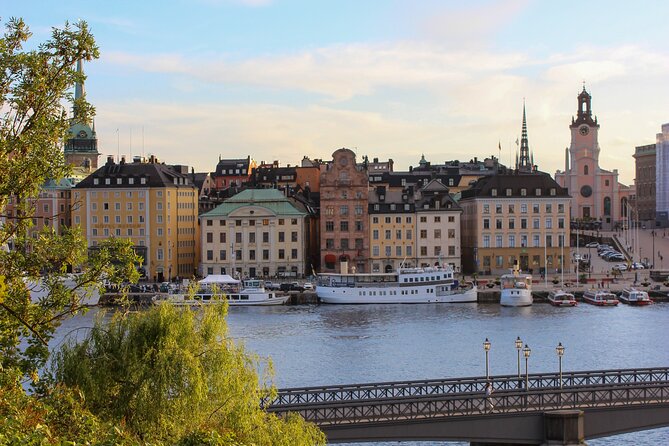
The last stretch brings you to Skeppsholmen, one of Stockholm’s prettiest islands in the city center. The tour uses it as a visual wrap-up: you get gorgeous views back toward Old Town while also learning about major art institutions nearby.
This is where National Museum, Moderna, and ArkDes enter the story. Even if you don’t go inside during the tour, the value is that you learn what those places are in the city’s cultural map. By the time you reach the finish, you’ll already understand the “why” behind the concentration of art-focused architecture here.
The tour ends at the Nationalmuseum, right in front—so you can easily keep going if you’re a museum person. It’s a smart ending point because it doesn’t trap you. You can either head onward or take a breather and decide based on your energy.
Also, this ending works well if you’re taking photos. The island viewpoint tends to give you a more layered city feel than staying fully in the street canyon.
Price and value for 3 hours of Swedish design focus
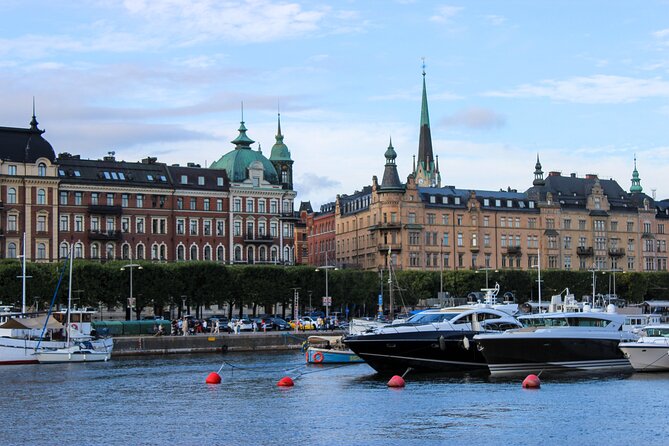
At $61.62 per person for about 3 hours, this is priced for people who want structure and stories, not random wandering. That’s the value: you pay to compress context into a walk you can follow without turning your phone into a full-time job.
A few things that make it feel like solid value:
- Small group size (maximum 10 people) helps the guide keep pace and answer questions.
- Multiple architecture types in one loop—design district streets, market hall, theater, park, and major art area—means you’re not doing five variations of the same thing.
- Access to design shops plus time to explore means the tour doesn’t end at the sidewalk. You get to translate ideas into what’s actually sold.
Should you consider it if you’re on a tight schedule? Yes. Three hours is long enough to learn and short enough to still enjoy the rest of your day. But if you’re hoping for deep museum time inside the biggest attractions, you’ll need to add that separately.
Who this tour suits (and who should skip it)
You’ll enjoy this tour most if you:
- Like Scandinavian interiors and want the story behind them, not just photos.
- Appreciate architecture that connects to daily life: storefronts, markets, parks, and public culture.
- Want a guided path that still leaves room to browse design shops on your own.
Skip it—or pair it with something else—if you:
- Want heavy, ticket-based museum time as the main event.
- Prefer broad historical landmarks over design-focused street and material details.
One extra note: this is offered in English, and the pace works for most people. If you’re traveling with a tight mobility limit, the tour is still short, but it is a walking experience with outdoor time—so wear good shoes.
Should you book this Scandinavian Art, Architecture and Design Tour in Stockholm?
If your goal is to start Stockholm with an eye for design—materials, color, and city planning—this tour is a strong first move. I’d book it early in your trip so the details you learn in Östermalm and the park show up again later when you wander on your own.
Book it especially if you like guided storytelling that doesn’t feel like a lecture, and if you plan to spend time browsing Swedish interiors after the walk. The small-group size and shop access are the practical reasons it feels worth the cost.
One caution: because it’s about three hours, you should treat it as a focused introduction. Then, if Skeppsholmen or the Nationalmuseum area catches your interest, plan follow-up time on your own.
FAQ
How long is the Scandinavian Art, Architecture and Design Tour?
It lasts about 3 hours.
Where does the tour start and where does it end?
It starts at Svampen Stureplan, Östermalm, 114 35 Stockholm, Sweden and ends in front of the Nationalmuseum, Södra Blasieholmshamnen 2, 111 48 Stockholm, Sweden.
Is the tour offered in English?
Yes. The tour is offered in English.
What size is the group?
The tour has a maximum of 10 travelers.
Is the ticket mobile, and are any admissions included?
You get a mobile ticket. Admission is included at Ostermalms Saluhall, while other stops listed are marked as free.
What happens if the weather is poor?
If it’s canceled due to poor weather, you’ll be offered a different date or a full refund.
More Tours in Stockholm

More Tour Reviews in Stockholm
More Metro Art & Design Tours

Just Added: The Latest Stockholm Reviews











Metro Art & Design Tours, compared.
 ★ 4.6Underground Metro Art Ride with a Local GuideFrom $12839 reviews
 ★ 4.5Underground Metro Art Ride with a LocalFrom $13118 reviews
 ★ 4.4Scandinavian Architecture & Design Ostermalm TourFrom $6611 reviews
 ★ 4.5Swedish Design TourFrom $5610 reviews
Browse the lists this tour appears in