
Reviewed · HOP-ON HOP-OFF SIGHTSEEING
Stockholm: City Sightseeing Hop-On Hop-Off Bus Tour
Stockholm looks best when you can choose your pace. This hop-on hop-off bus makes it easy, with free Wi‑Fi onboard and a smart mix of big hits like the Vasa Museum plus Old Town and Skansen. The only real catch is timing: if you’re linking the tour to a cruise departure, you’ll want extra buffer because late loops can tighten up.
You get a 24- or 72-hour pass, so you’re not locked into one guided slog. Buses run every 30 minutes, and you’ll be cycling through classic sights and pop-culture stops like the ABBA Museum—with an audio guide in 11 languages included.
For me, the best use is simple: get your bearings fast, then hop off where you actually want to spend real time. Just don’t count on the bus to be a perfect back-up plan if you’re racing a ship schedule.
In This Review
- Key things I’d plan for before you board
- Getting your money’s worth: 24 or 72 hours, and why that matters in Stockholm
- Bus basics in plain English: red-and-green, 18 starting points, and where you actually find the stop
- Royal Palace, Opera, Old Town, and Stockholm City Hall: the classic loop that puts the city in context
- Vasa Museum and the Nordiska Museum stop: a must-see, but plan for ticket reality
- ABBA Museum and Gröna Lund Tivoli: pop culture as a serious sightseeing plan
- Skansen, Stureplan, and Ice Bar: the detours that make the tour feel like your trip
- Cruise-terminal loops: how not to lose your ship time
- Optional archipelago boat tour: a 55-minute add-on that can be a sound challenge
- Value check: what’s included, what costs extra, and when the price makes sense
- Who this bus tour is best for (and who should skip it)
- Should you book the Stockholm City Sightseeing Hop-On Hop-Off Bus?
- FAQ
- What time does the tour start and end from Stop 1?
- How often do the buses run?
- How long does a full tour take?
- Is Wi-Fi available on the buses?
- What languages is the audio guide available in?
- Does the ticket include the boat tour?
Key things I’d plan for before you board

- Free onboard Wi‑Fi and headphones audio guide: it helps you keep moving even when you’re waiting at stops.
- 24- or 72-hour flexibility: do one loop on Day 1, then return for the sights you loved.
- A stop pattern built for major landmarks: Royal Palace, Old Town, City Hall, Vasa, ABBA, Skansen.
- Cruise-terminal connections add time: the full loop can run longer when ships are docked.
- Red-and-green buses aren’t always the only ones in red: get your stop and operator right before you climb aboard.
- Mobile or paper vouchers work: you don’t need to print if you prefer your phone.
Getting your money’s worth: 24 or 72 hours, and why that matters in Stockholm
At $37 per person, this tour only feels “budget” if you use the time well. The pass gives you either 24 hours or 72 hours of hop-on hop-off freedom, and that’s what makes the math work in a city where attractions are spread out.
If you’re on a tight schedule, a 24-hour pass can be enough for the highlights, especially if you plan your day around two anchor stops (for example: Old Town + one museum like Vasa, then ABBA or Skansen the next day if you can). If you’re a slower traveler, or you know you’ll want to linger for photos and shops, the 72-hour pass is usually the safer bet because you can repeat areas without feeling rushed.
Also, the loop is designed to be short enough to keep decision-making easy. The standard tour takes about 60 minutes, and the buses run regularly, which means you can ride past sights, check the vibe, then hop off when something grabs you.
One more practical point: you’re not paying for attraction tickets here. Entrance fees for museums and sights are not included, so the value is in transportation plus interpretation—not admission.
Hop back on for more of the city sights



Bus basics in plain English: red-and-green, 18 starting points, and where you actually find the stop
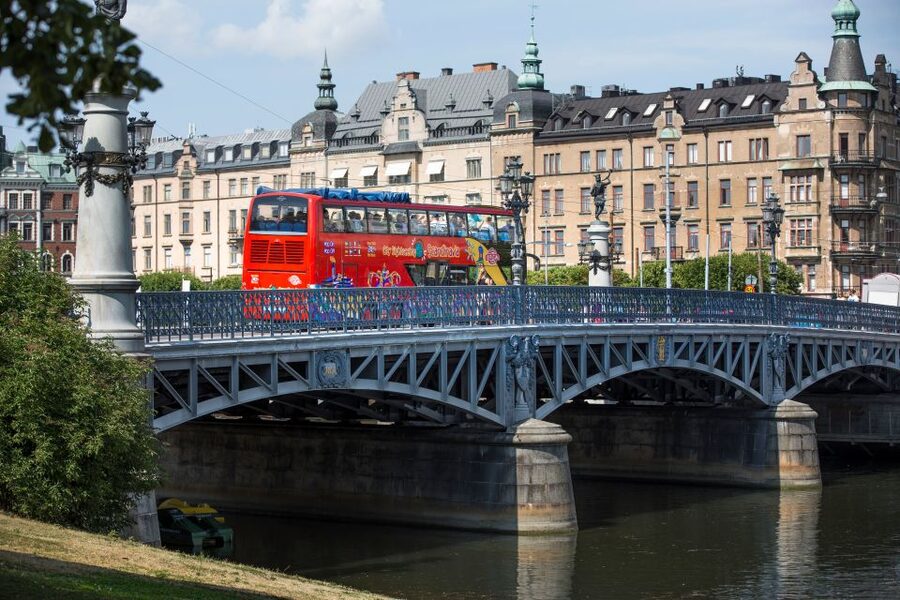
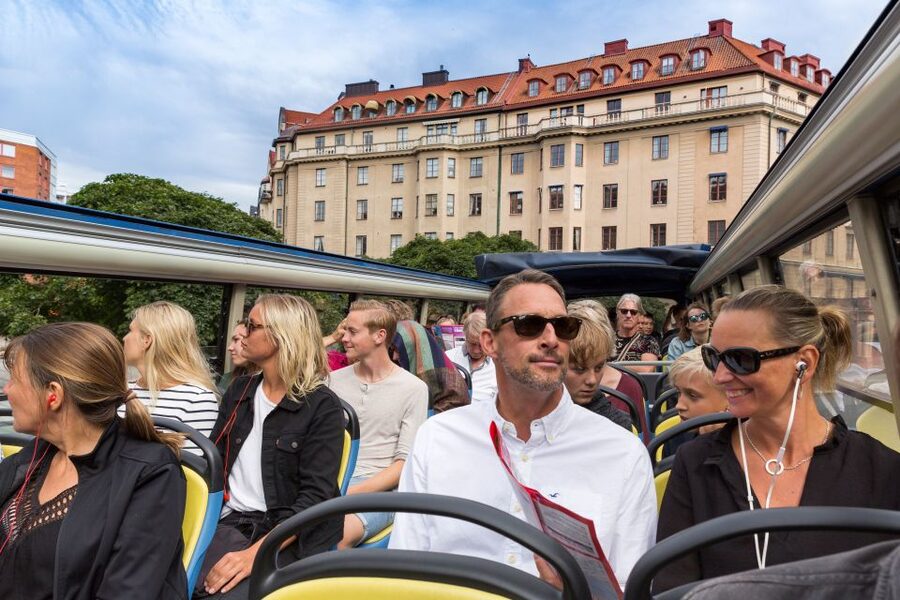
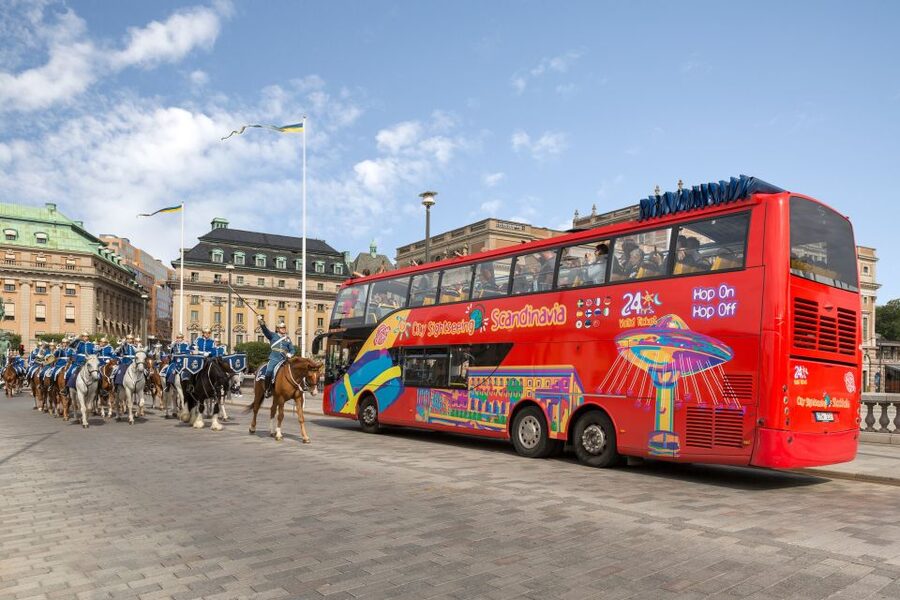
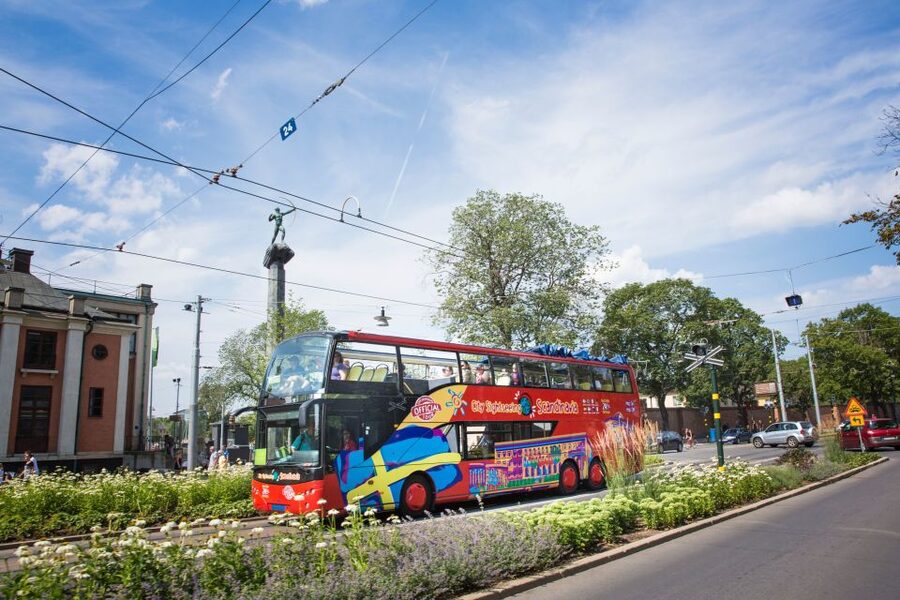
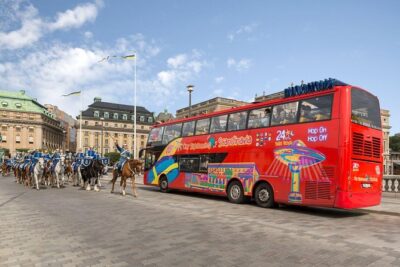
This is an open-top bus tour, with buses in red and green and a route built around major sights. There are 18 starting points, and in practice that means less backtracking for you.
The biggest “how do I not mess this up?” issue is identifying the correct bus. The tour has red busses, but other operators also use red vehicles, so it can be confusing if you’re standing at a busy curb. My advice: line up at the stop you planned, then check with the driver before you climb in. If the ticket doesn’t match their service, they’ll tell you quickly—saving you from that annoying later scramble.
Vouchers are flexible. You can use mobile or printed paper vouchers, and both are accepted. The meeting point can vary depending on the option you book, so make sure you’re at the right place before 10am.
Timing matters too. The first departure from Stop 1 is 10am, and the last departure from Stop 1 is 5pm. Since buses run every 30 minutes, you won’t be stuck for long—but if you’re hopping between far ends of the route, you still need a plan.
Royal Palace, Opera, Old Town, and Stockholm City Hall: the classic loop that puts the city in context

If Stockholm is your first stop in Scandinavia (or your first time here), this section is where the bus earns its keep. You start near Strömgatan / The Royal Opera, then roll into the core sights most people picture when they think of Stockholm.
From there, the bus takes you to the Royal Palace, a big landmark you can’t really understand without seeing the surrounding setting. The Royal Palace is part of a royal-and-formal axis, and the ride helps you clock how the city’s geography shapes where all these buildings sit.
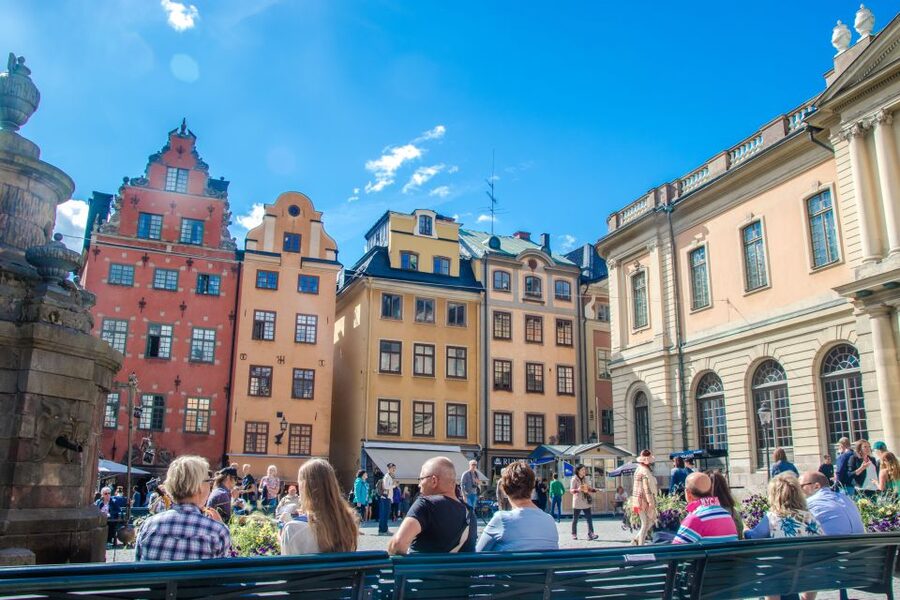
Next is Old Town, which is the natural place to hop off and slow down. The bus doesn’t replace walking the cobblestones, but it does help you decide where to begin once you’re on foot.
Then comes Stockholm City Hall. If you’ve seen photos of the famous setting from a distance, getting there by bus helps you understand the scale and the waterfront feel in real life. You’ll also get audio guidance along the way with headphones, so you’re not stuck guessing what you’re looking at.
One thing to remember: you’re moving fast compared with regular sightseeing. That’s the point. Use the bus to get oriented, then spend your real time on the stops that earn it.
Vasa Museum and the Nordiska Museum stop: a must-see, but plan for ticket reality
The Vasa Museum is one of those Stockholm attractions you build your trip around. This bus gives you a convenient stop at The Vasa Museum / Nordiska Museum, which is perfect because you can decide on the spot how much time you want to spend.
Here’s the key value point: while the bus gets you close and the audio guide helps set context, entrance fees aren’t included. So when you hop off at Vasa, treat it as a committed museum hour (or more), not a quick photo stop.
Also, don’t overstuff your day. Stockholm museum time works best when you do one major indoor stop, then follow it with an outdoor walk to cool down. After Vasa, you’ll usually want to keep moving—either back toward Old Town or out toward the waterfront-area vibes.
If you like museums that mix drama and detail, Vasa tends to work extremely well even if you’re not a lifelong history nerd. You’ll come out with stories you can tell later, and the bus makes it easy to stitch that museum day into a broader route.
ABBA Museum and Gröna Lund Tivoli: pop culture as a serious sightseeing plan
ABBA isn’t a background detail here—it’s a real stop. The bus includes ABBA The Museum / Gröna Lund Tivoli, and this area is worth considering even if you only know a handful of songs.
The museum experience is set up so you can do more than watch. You can feel what it’s like to be onstage with ABBA, sing at the famous Polar Studio, and test your knowledge with an ABBA quiz. That kind of hands-on format tends to play well for mixed groups: music fans, families, and people who normally skip “themed museums.”
This is also where the bus helps you avoid a common Stockholm mistake: spending too long researching transport and not enough time actually getting there. When you’re already on the hop-on bus, you can simply hop off, check your timing, then decide if you’ll do ABBA now or later.
One caution: if you’re sensitive to crowds, plan your hop-off time thoughtfully. This area can be busy because it’s an attraction cluster, not just one museum.
See the best of Stockholm in one go



Skansen, Stureplan, and Ice Bar: the detours that make the tour feel like your trip
The tour’s strongest feature might be that it doesn’t treat Stockholm as only palaces and museums. It includes stops that feel very Swedish in their own way.
First up: Skansen, the world’s first open-air museum. This is the kind of place where the time flies because you’re not just looking at exhibits—you’re wandering through a version of how Swedish life and culture were shaped over time. It’s also a great follow-up to the more formal feel of the Palace and City Hall.
Next: Stureplan, an entertainment district and high-end square in the heart of Stockholm. If you want a break from indoor tickets and want to feel what a neighborhood energy looks like, Stureplan is a good hop-off.
Then there’s the Ice Bar, which is exactly what it sounds like: a very cold drink stop. If you’ve been out walking or riding in open air, this is a fun reset. It also breaks up your route so your day doesn’t become one long museum block.
The practical trick: use the bus to choose which of these you need most. If you want tradition, go Skansen. If you want buzz and people-watching, go Stureplan. If you want a novelty stop and a quick laugh, Ice Bar works.
Cruise-terminal loops: how not to lose your ship time
This is the part you should take seriously even if you’re calm by nature. The bus route includes stops near cruise terminals—X Frihamnen Cruise Terminal 634, Y Frihamnen Cruise Terminal 638, and Z Stadsgarden Cruise Terminal—and when a cruise ship is docked, the loop can take 90–120 minutes instead of 60.
So your simple math changes. A bus that feels like a quick sightseeing ride on a normal day can feel like a long commitment when you’re traveling to the far end of the route.
The tour schedule notes a last departure from Stop 1 at 5pm, and buses run every 30 minutes. But real-world timing can still be tricky at cruise connections. Plan your day with a cushion: aim to be back earlier than you think you need. If you’re relying on a late pickup after a museum, you’re gambling.
In practice, I’d treat cruise connections as a one-way-use kind of thing: either you’re using the bus to get from the terminals into town earlier, or you’re hopping back to the terminal with plenty of time.
Optional archipelago boat tour: a 55-minute add-on that can be a sound challenge
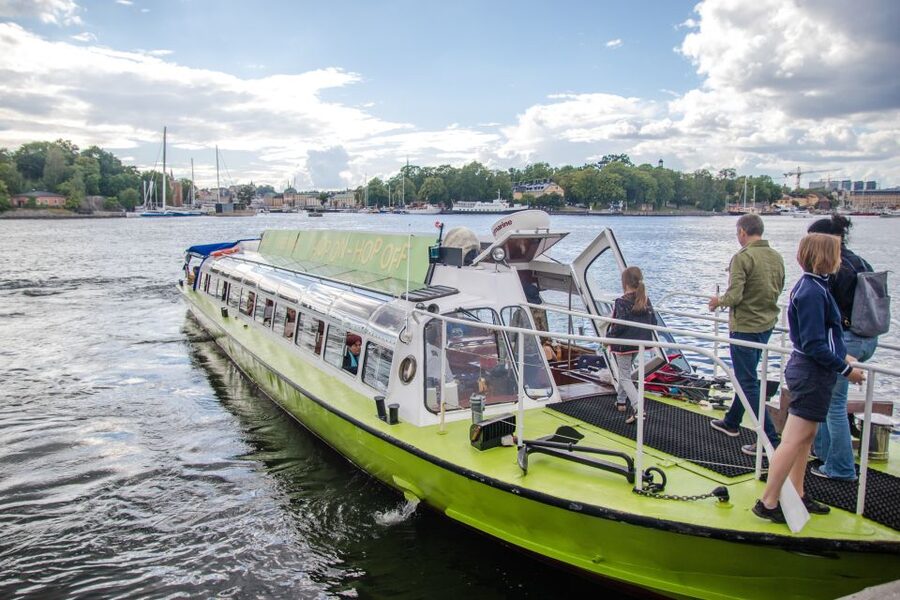
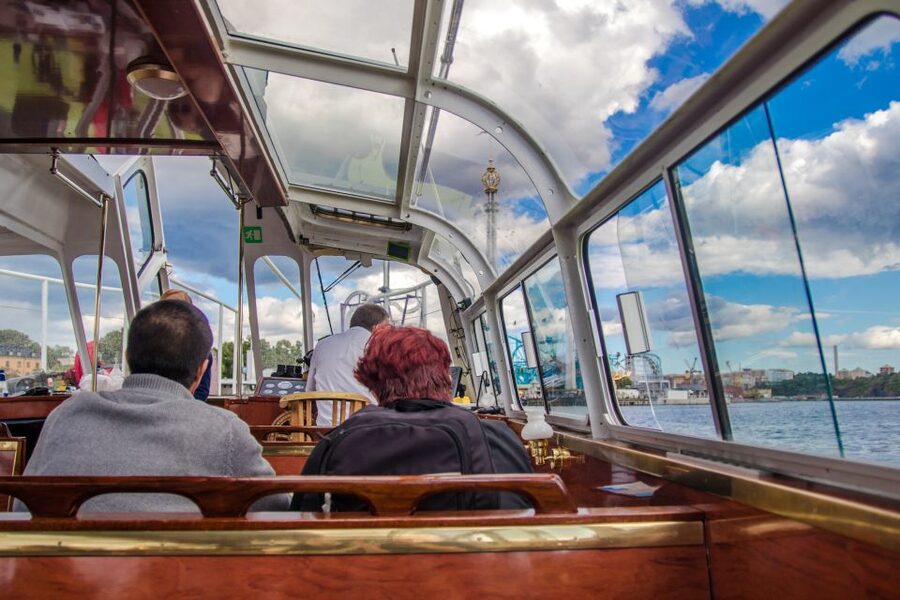
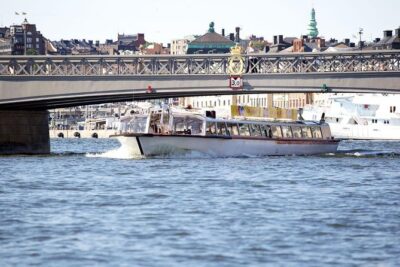
If you choose the boat option, it runs for about 55 minutes. The boat stops at several spots that also connect with the bus route, including The Royal Palace, Nybroplan, Vasa Museum, Skeppsholmen, and Gröna Lund Tivoli.
It also includes Viking Line / Stadsgarden Cruise Berth, plus stops at Fotografiska, Slussen, and Old Town / Gamla stan. That matters because it gives you a different angle on Stockholm’s layout—more water, more movement, and fewer curbside decisions.
One thing to factor: the boat can feel crowded, and hearing the guide can be hard when the deck is full and people are talking. If you want clearer narration, sitting where sound carries better usually helps, but the reality is you may still fight for attention in busy conditions.
The boat is a great supplement if you want variety. It’s less ideal if you mainly want quiet, guided, head-down listening.
Value check: what’s included, what costs extra, and when the price makes sense

For $37, you’re paying for transportation, a multi-language audio guide (11 languages), and onboard comfort like free Wi‑Fi. You also get wheelchair-accessible buses, and 18 starting points keep the route practical.
What’s not included is the big-ticket stuff: entrance fees for attractions, food, and drink. That’s why your personal value depends on your plan.
Here’s the quick value test I use:
- Choose 24 hours if you’re doing a couple top sights and one neighborhood wander.
- Choose 72 hours if you know you’ll do at least 3 major stops, or you want the flexibility to return without stress.
Audio guide coverage is a big help because it turns ride time into interpretation. It can also help if you’re traveling with a group where people have different interests—one person can chase museums while another can just enjoy learning as you pass landmarks.
One more useful detail: free cancellation is offered up to 24 hours in advance, so it’s easier to adjust if weather or your schedule shifts.
Who this bus tour is best for (and who should skip it)
This hop-on hop-off tour is a strong match if you want:
- an easy way to see a lot quickly without planning every transfer
- a route that covers both major classics and fun stops
- a cruise-friendly option that can connect to terminal areas
It’s also good for first-timers because Stockholm is spread out in a way that can feel confusing on foot early on. The bus gives you a moving map you can trust.
You might be less happy if you prefer slow, deep walking days with no bus time. Also, because attraction entrances aren’t included, museum-heavy travelers may end up paying separately anyway.
And if your schedule is extremely tight—especially around cruise departures—be conservative with timing. The tour is flexible, but your ship doesn’t care about your sightseeing plans.
Should you book the Stockholm City Sightseeing Hop-On Hop-Off Bus?
Yes, if you want a practical first pass through Stockholm that combines major landmarks with fun stops, and you’ll actually use hop-on freedom across your day. I’d book it especially if you’re a cruise passenger and need a workable transport base.
But I wouldn’t treat it like an exact back-up plan for late-day cruise timing. Build in margin, confirm stop details, and use the bus for decision-making—then spend your real time at the sights you care about most.
If you do that, the $37 ticket turns into something more valuable than “just a ride”: it becomes a tool for shaping your day into a Stockholm itinerary that fits you.
FAQ
What time does the tour start and end from Stop 1?
The first departure from Stop 1 is at 10:00am, and the last departure from Stop 1 is at 5:00pm.
How often do the buses run?
Buses run every 30 minutes.
How long does a full tour take?
The standard tour duration is about 60 minutes. If the route includes the cruise terminals, it can take 90 to 120 minutes, and that longer timing applies only when a cruise ship is docked.
Is Wi-Fi available on the buses?
Yes. Free Wi‑Fi is available onboard the buses.
What languages is the audio guide available in?
The audio guide is included and available in Spanish, English, Finnish, French, German, Italian, Russian, Chinese, Estonian, Japanese, and Swedish.
Does the ticket include the boat tour?
A boat tour is included only if you select that option. The boat tour lasts 55 minutes and stops at multiple locations including The Royal Palace, Vasa Museum, Skeppsholmen, Gröna Lund Tivoli, Viking Line / Stadsgarden Cruise Berth, Fotografiska, Slussen, and Old Town / Gamla stan.
More Tours in Stockholm






More Tour Reviews in Stockholm


More Hop-On Hop-Off Sightseeing


Just Added: The Latest Stockholm Reviews












Hop-On Hop-Off Sightseeing, compared.
 ★ 3.5Stockholm Hop-On Hop-Off Bus & Boat OptionsFrom $24273 reviews
 ★ 3.0City Sightseeing Stockholm Hop-On Hop-Off BusFrom $40272 reviews
 ★ 4.0Stockholm Hop-On Hop-Off Sightseeing CruiseFrom $27103 reviews
 ★ 3.0Hop-On Hop-Off Bus and Boat Ticket in StockholmFrom $4922 reviews
Browse the lists this tour appears in