
Reviewed · GAMLA STAN OLD TOWN WALKS
Jewish Gamla Stan and Jewish Museum Stockholm Private Tour
A walk through Gamla Stan’s Jewish past hits different. You’ll trace Jewish life in Stockholm from the 17th century to WWII and the present, while also learning why Raoul Wallenberg’s name still matters in the city. It’s history you can see on streets, in churches, and in a museum built inside a surviving synagogue site.
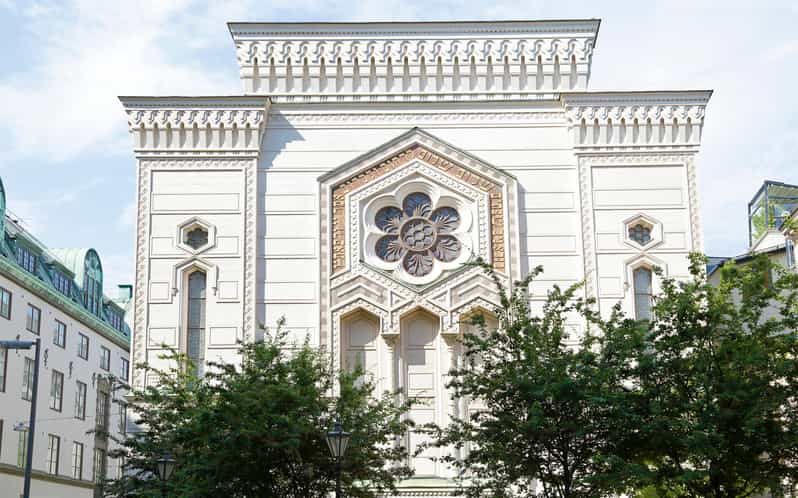
What I like most is the 5-star licensed guide who turns landmarks into stories you can actually picture. I also like that the Jewish Museum sits in Stockholm’s oldest extant synagogue building (3 and 4 H), so your visit isn’t just facts on a page—it’s built into the architecture.
One drawback to plan around: depending on your chosen length, Jewish Museum entry (and sometimes a private car transfer) may not be included, and the museum is closed on Mondays.
In This Review
- Key highlights that matter
- Gamla Stan Jewish past, told street by street
- Meeting at Järntorgsbrunnen and getting your bearings fast
- German Church and Storkyrkan: where early Jewish arrivals show up
- Great Synagogue area and Gamla Stan’s visible Jewish heritage
- The Jewish Museum in 3 & 4 H: where the walls carry the story
- A practical note on museum timing
- Raoul Wallenberg at Berzelii Park: memory you can walk to
- Royal Palace passes and the Nobel Prize area: Swedish ties to Jewish achievement
- 2, 3, or 4 hours: which length gives you the right value
- The 2-hour option
- The 3-hour option
- The 4-hour option
- Price and value at $205 per person
- Private guide quality: what good guiding looks like here
- What to do before you go (so the tour feels smooth)
- Who should book this Jewish Gamla Stan and Jewish Museum tour?
- Should you book it?
- FAQ
- What language is the private guide available in?
- Where does the tour start?
- Does the tour include entrance tickets to the Jewish Museum?
- Is private car transfer included?
- Is this tour a walking tour, and is it comfortable to do?
- Is the tour wheelchair accessible?
Key highlights that matter

- Gamla Stan Jewish heritage in walking distance: churches, synagogues, and street-level clues tied to real timelines
- Raoul Wallenberg memorials in Berzelii Park: Holocaust remembrance you’ll meet in person, not just read about
- Jewish Museum inside the 3 & 4 H synagogue site: a museum visit with historical walls behind it
- German Church and Storkyrkan context: early Jewish arrival stories tied to baptism in the 17th century
- Nobel Prize Museum area stops: Swedish connections through Jewish laureates
- Private guide, private group: room to ask questions, and routes that can flex if someone needs slower pacing
Gamla Stan Jewish past, told street by street
Stockholm’s Old Town (Gamla Stan) is the kind of place where you think you already know what you’ll see: cobblestones, viewpoints, and the postcard Royal Palace vibe. This tour flips that expectation. You’ll walk the same core area, but your guide keeps steering your attention toward Jewish history—what was built, what was changed, and what survived.
The overall feel is respectful and story-driven. You won’t just get a list of sites. You’ll get the why behind them: how Jewish families came to Sweden, how community life developed, and how WWII touched Sweden and the world. Then you’ll end up at memories and monuments in the city—especially connected to Raoul Wallenberg, remembered for helping save tens of thousands of Jewish people.
And yes, it’s still a walking tour through real streets. Bring comfortable shoes and expect weather changes. Even in rain, the experience is designed to keep moving at a human pace.
More laps of Gamla Stan and the old town lanes

Meeting at Järntorgsbrunnen and getting your bearings fast
You meet your guide in front of Järntorgsbrunnen on Västerlånggatan 83 (111 29 Stockholm). It’s a practical start: easy to find, central for Gamla Stan, and close enough to your first cluster of Jewish-history landmarks.
From the start, the guide’s job is to help you read the area. Gamla Stan can feel like a single, continuous “Old Town” layer until someone points out what belongs to which era. On this tour, your guide uses those street cues to help you connect the 17th century stories with what you see later around the city.
If you want a smooth experience, do two small things before you go:
- Plan for a steady walking rhythm for the full time slot you booked.
- Check the email you’ll receive the day before, since the tour notes can include timing details that make the walk easier.
German Church and Storkyrkan: where early Jewish arrivals show up
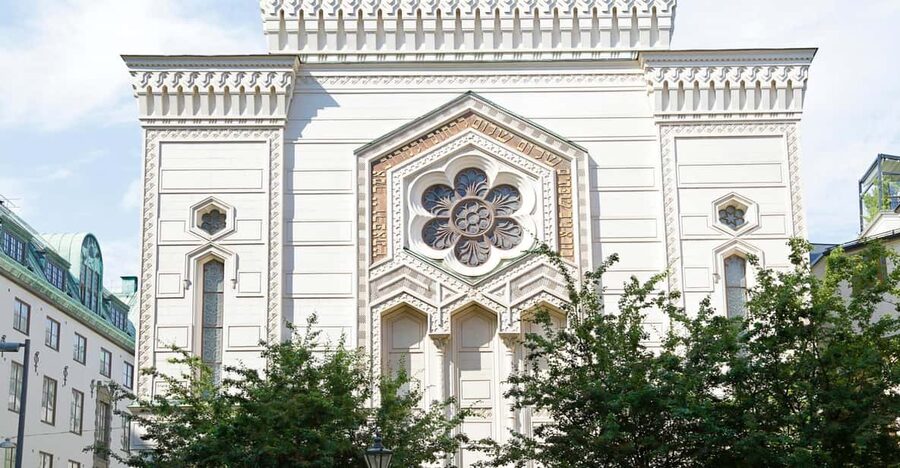
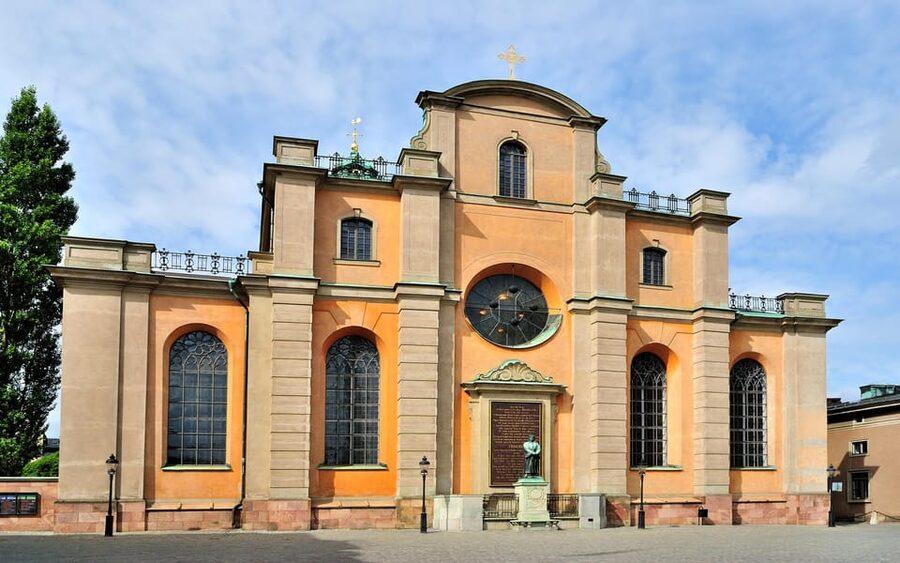
One of the most striking elements is how the tour uses major church landmarks to explain early Jewish presence in Sweden. You’ll pass the German Church and Storkyrkan (the cathedral).
Here’s the context that makes this stop more than sightseeing: the tour points out that the first Jewish families were baptized after arriving in Sweden in the 17th century. That detail changes how you think about the area. Instead of treating churches as only religious buildings, you start seeing them as part of the social and legal reality of that time—where belonging and identity could involve intense pressure and difficult choices.
You’ll likely hear how these early arrivals fit into Stockholm’s growth and how later Jewish community life evolved. Even if you know the broad story of Jewish migration in Europe, this kind of local detail is what makes Stockholm’s version feel grounded and specific.
Great Synagogue area and Gamla Stan’s visible Jewish heritage

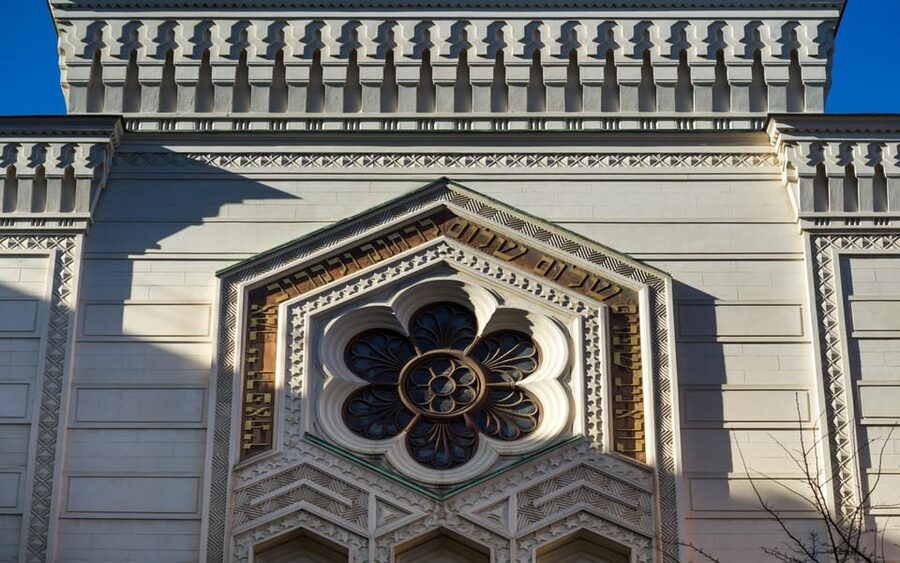
As you move through Gamla Stan, you’ll see Jewish heritage points that include the Great Synagogue area. Even if you’re not going inside every stop, you’re building a mental map of where Jewish life took shape and how it expressed itself in architecture and institutions.
This part works because the tour doesn’t separate “Jewish history” from “Stockholm history.” Your guide keeps linking what you see in Gamla Stan with broader Swedish storylines. That’s helpful if you want more than a checklist and you like understanding cause and effect.
You’ll also encounter the tour’s theme of survival and continuity. Some parts of Jewish life in Stockholm are easier to see (buildings, monuments). Others show up through smaller clues your guide helps you notice.
The Jewish Museum in 3 & 4 H: where the walls carry the story

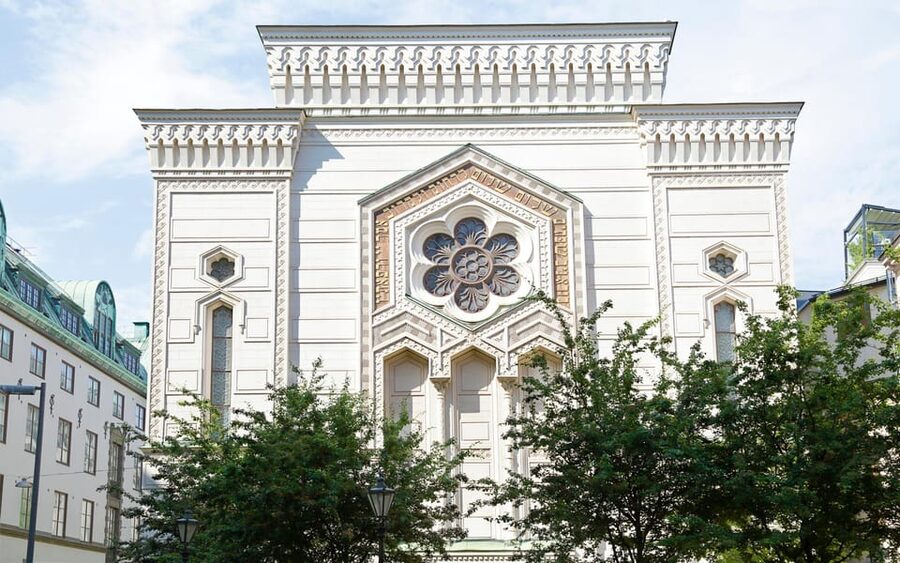
If you choose the 3-hour or 4-hour option, your plan includes admission to the Jewish Museum housed in Stockholm’s oldest surviving synagogue building, known as 3 and 4 H. This is the single best reason to consider upgrading from the shortest option.
Why? Because museums are sometimes just collections. Here, the building itself is part of the message. You’re not only learning about early Jewish presence in Stockholm—you’re standing in a historic structure tied to the community’s efforts to build a first temple in the capital.
Inside, the focus is on:
- the first Jews who came to Sweden and how community life began
- the effort it took to establish the early synagogue presence
- Jewish culture and traditions
That mix matters. Many WWII-focused tours can leave you stuck in tragedy. This museum component helps you remember that Jewish history is also daily life, identity, and tradition—long before and long after WWII.
More Stockholm sights indoors, tickets sorted






A practical note on museum timing
The museum can be a deal-breaker on certain days. The experience is impacted if you’re traveling on Mondays, since the Jewish Museum is closed then. If your dates fall on Monday, choose carefully—this is the simplest way to avoid disappointment.
Raoul Wallenberg at Berzelii Park: memory you can walk to
For me, the tour’s emotional center is the walk toward Berzelii Park, where you’ll encounter the Remembering Path and a Holocaust monument dedicated to Raoul Wallenberg.
This isn’t abstract history. Your guide frames Wallenberg as a real person with a real mission—saving tens of thousands of Jewish people during the Holocaust. Then you see why his name appears in Stockholm’s public memory.
This part of the route is valuable even if you already know the basics of Wallenberg. The city setting changes the experience: you’re not reading history in a classroom. You’re walking in a place where remembrance is part of the urban design.
It also gives your tour a strong moral through-line. The walk can move from early Jewish arrival stories, into community development, and then into WWII rescue efforts. That arc is hard to do well in a short time, but the route helps you feel the connection.
Royal Palace passes and the Nobel Prize area: Swedish ties to Jewish achievement
As you head between sights, you’ll also pass the Royal Palace and continue toward the Nobel Prize Museum area.
This isn’t just sightseeing filler. Your guide ties the Nobel area to Jewish history by explaining Jewish Nobel laureates who received the prize over the years. It’s a neat angle because it shows another side of Swedish-European connections: recognition, achievement, and international impact.
If you like context—how one part of Europe influences another—this stop helps you connect the city’s “present-day prestige” to the Jewish stories you’ve been hearing.
2, 3, or 4 hours: which length gives you the right value
You’ll see options for 2–3 hours. The details that matter most are what’s included.
The 2-hour option
In this shorter format, Jewish Museum entrance tickets are not included, and private car transfers are not included. That means you’ll get a good orientation to the most important exterior stops and stories, but you should expect that the museum visit may require separate planning and payment.
If you’re short on time or you mainly want the outdoor walking narrative, the 2-hour route can still feel worthwhile. Just don’t expect the museum part to be baked in.
The 3-hour option
This is often the sweet spot for people who want the storytelling plus a proper museum visit. Jewish Museum entry is included here.
You’ll have enough time to experience both the street-level history and the interior context. For many visitors, that combination is what turns a few sites into a coherent narrative.
The 4-hour option
The standout added value is round-trip private car transfer with pickup and drop-off at your accommodation. If you have mobility limits, heavy bags, or you simply don’t want to worry about transit, this option can feel like a practical upgrade.
And because it’s still a walking tour, the guide can adjust pacing for your group needs as long as you communicate early.
Price and value at $205 per person
At $205 per person, you’re paying for a private format and a high-touch guide experience—especially because the guide is a licensed 5-star history expert and the tour is private.
The best value depends on what you care about:
- If you mainly want museum time, pick 3 or 4 hours so museum tickets are included.
- If you want the full “see it, then understand it” approach (outdoor landmarks plus museum), the longer options tend to feel like a better deal.
- If you want a quick orientation and plan to visit the museum on your own, the 2-hour can make sense, but you need to handle museum logistics separately.
Private guide quality: what good guiding looks like here

This tour really depends on the guide’s ability to connect details without losing the thread. The experience you’re aiming for is the kind where you can ask questions and the answers stay tied to what you’re seeing.
In practice, the guiding quality shows up in small ways:
- taking time when it’s raining instead of rushing to “cover stops”
- adjusting the walking pace when someone needs slower routes
- staying attentive, not just to the group, but to individuals who need accommodations
I also like that the tour is private. With private groups, you can go at a speed that matches how you learn. If you’re the type who wants the “why,” this format helps.
What to do before you go (so the tour feels smooth)
A few simple prep moves will make your experience easier:
- Wear comfortable shoes. This is a walking tour, and you’ll be covering several areas.
- Check your inbox the day before for any tour notes.
- Think about whether you want the museum included. If you care about the building and the exhibits, don’t choose the option that excludes admission.
- If you’re a Monday traveler, build your plan around the museum’s closure risk.
The tour is also wheelchair accessible, so it can work for many visitors who need step-friendly planning, but you’ll want to be realistic about the walking time that matches your group’s needs.
Who should book this Jewish Gamla Stan and Jewish Museum tour?
Book it if you want a Stockholm tour that treats Jewish history as central, not optional. You’ll get:
- street-level Jewish heritage in Gamla Stan
- meaningful WWII memory tied to Raoul Wallenberg
- a museum visit connected to the 3 & 4 H synagogue site (when you pick the right length)
Consider skipping or adjusting if:
- you’re visiting on a Monday and you truly want the Jewish Museum experience built into the plan
- you only have time for a quick walk and you don’t want to manage museum entry separately (in that case, choose 3 or 4 hours)
This is also a good choice for first-time visitors who want a deeper historical angle without spending a whole day on paperwork and museum planning.
Should you book it?
I’d book this tour if your idea of a great Stockholm day includes history you can see with your feet and a guide who ties the story to real places. The value is strongest in the 3-hour or 4-hour options because you get museum entry (and in the 4-hour case, private pickup and drop-off).
If you’re just passing through with limited time, the 2-hour walk can still work—but treat it like an orientation and plan the museum visit intentionally.
FAQ
What language is the private guide available in?
The guide can be fluent in French, German, Italian, Russian, Spanish, English, or Swedish, depending on what you book.
Where does the tour start?
You meet your guide in front of Järntorgsbrunnen, Västerlånggatan 83, 111 29 Stockholm, Sweden.
Does the tour include entrance tickets to the Jewish Museum?
Admission to the Jewish Museum is included for the 3-hour and 4-hour options. It is not included in the 2-hour option.
Is private car transfer included?
Private car transfers with pickup and drop-off at your accommodation are included only in the 4-hour option. They are not included in the 2-hour and 3-hour options.
Is this tour a walking tour, and is it comfortable to do?
Yes, it’s a walking tour. You should be in good condition to walk and wear comfortable shoes.
Is the tour wheelchair accessible?
Yes, the tour is listed as wheelchair accessible.
More Tour Reviews in Stockholm




More Stockholm Museums & Tickets
More Gamla Stan Walks



Just Added: The Latest Stockholm Reviews












Gamla Stan Old Town Walks, compared.
 ★ 4.7Ghost Walk and Historical TourFrom $312,206 reviews
 ★ 5.0Walking Tour of Stockholm Old TownFrom $241,175 reviews
 ★ 4.5The Original Stockholm Ghost Walk and Historical Tour – Gamla StanFrom $381,165 reviews
 ★ 4.7Old Town Walking Tour with Local GuideFrom $15719 reviews
 ★ 5.0Best of Stockholm Walking Tour-3 Hours, Small Group max 10 peopleFrom $49645 reviews
 ★ 4.5The Nordic Food Walk StockholmFrom $122642 reviews
 ★ 5.0Walking Tour of Stockholm’s Old Town, Gamla StanFrom $13451 reviews
 ★ 4.9Old Town Historical Walking TourFrom $52344 reviews
Browse the lists this tour appears in