
Reviewed · VIKING SIGTUNA & UPPSALA DAY TRIPS
Stockholm: Sigtuna and Uppsala Viking History Day Tour
Runes on bridges beat museum tours. I love two things most: getting up close to the Jarlabanke Bridge runestones and the Granby Stone, then spending real time walking Sigtuna’s cobblestone streets as Sweden’s oldest town. It’s the kind of day where you’re not just looking at artifacts, you’re trying to understand the people who commissioned them and the world they lived in.
One thing to keep in mind: if you want a nonstop Viking-only story, the pacing can feel broader. You’ll also spend time at Christian-era churches and major landmarks in Uppsala, and the guide style (plus accent) can affect how tightly you follow every detail.
In This Review
- Key highlights you won’t want to miss
- Why this Viking day trip feels different than a simple checklist
- Jarlabanke Bridge runestones: the 11th-century power story you can see
- Arkils Tingstad and Vallentuna Church: governance and the end of the Viking era
- Granby and the Granby Stone: inscriptions and long-house foundations
- Hökeriet fika and the Orkesta-Granby break that keeps the day human
- Sigtuna’s cobblestone core: Sweden’s oldest town at a walkable pace
- Uppsala: cathedral views, university heritage, and Gamla Uppsala’s royal mounds
- Pacing, timing, and comfort for 8.5 hours on the move
- Price and value: is $255 fair for what you get?
- Who should book this Viking history day tour
- Should you book Stockholm: Sigtuna and Uppsala Viking History Day Tour?
- FAQ
- How long is the tour?
- Where does the tour start and does it include pickup?
- Is there a guide and what language do they speak?
- Are meals and drinks included in the price?
- What are the main stops on the day?
- What should I bring, and what isn’t allowed?
Key highlights you won’t want to miss
- 11th-century runestones at Jarlabanke Bridge tied to Jarlabanke’s power and family
- Arkils Tingstad assembly site for early Scandinavian decision-making and dispute resolution
- Vallentuna Church’s mix of styles and the transition from Viking-era life to Christian Sweden
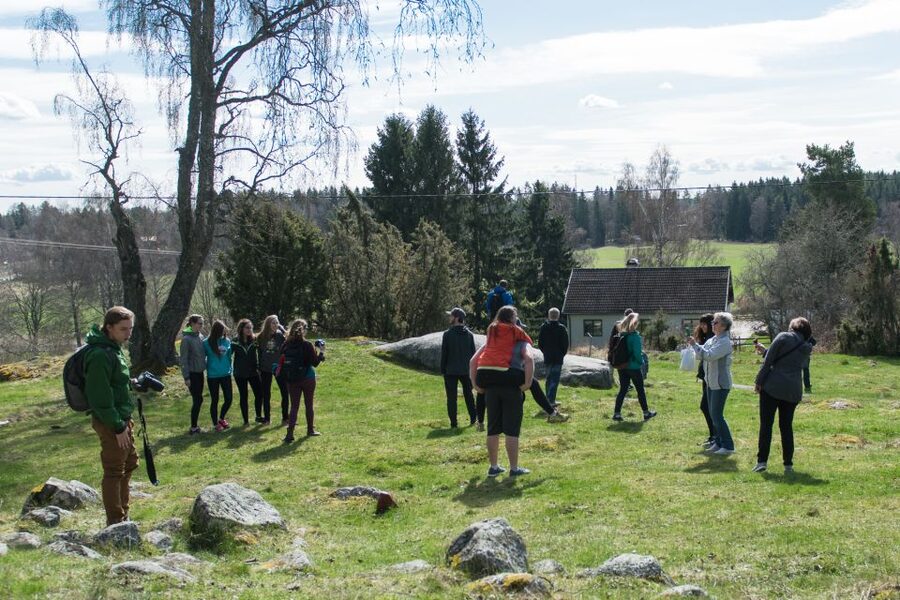
- Granby and the Granby Stone with ancient inscriptions and well-preserved long-house foundations
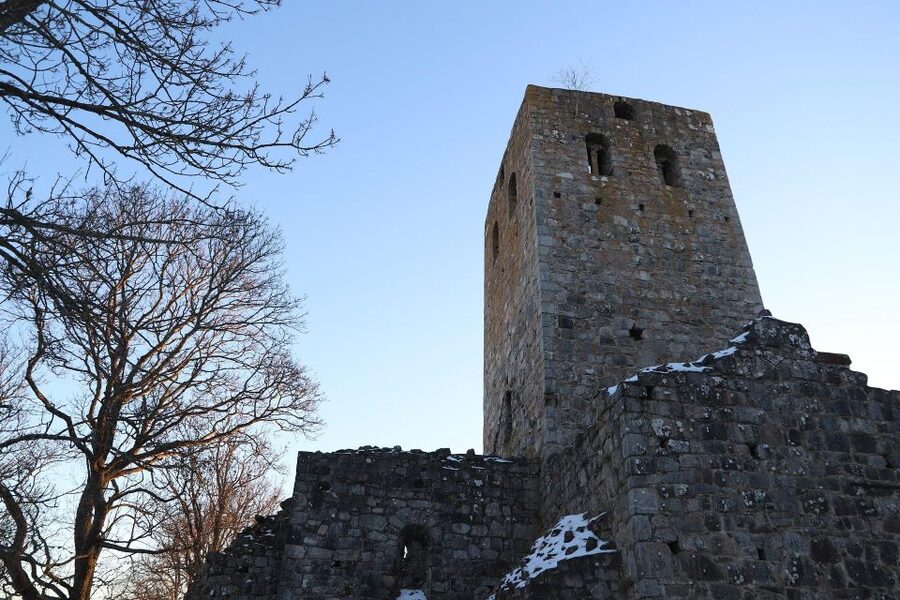
- Sigtuna’s AD 980 streets plus St. Mary’s Church and ruins worth pausing for
Why this Viking day trip feels different than a simple checklist
This tour works because it treats Viking history like a lived system, not just a set of impressive objects. You’ll move between bridges with carved runes, places where communities made decisions, and towns where the social world changed as Christianity spread. That mix matters, because it helps you connect the dots between authority, daily life, and belief.
You’re also on a guided route designed to compress a lot of driving into one day without turning every stop into a quick glance. With hotel pickup in central Stockholm and transport by van, you can spend your energy on listening, walking short stretches, and asking questions, instead of figuring out buses and trains across the countryside.
The trade-off is time pressure. Several locations are intentionally brief, with photo stops and short guided segments. If you’re the type who wants slow, lingering museum pacing, plan to accept the fast rhythm.
More Viking days out to Sigtuna and Uppsala


Jarlabanke Bridge runestones: the 11th-century power story you can see
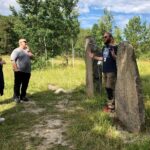
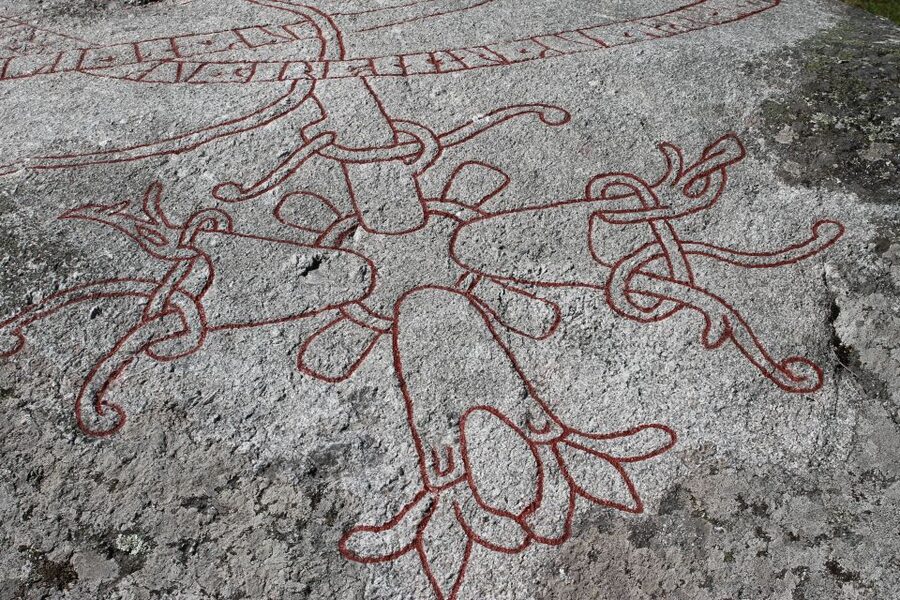
Jarlabanke Bridge is the kind of stop that makes the Viking era feel immediate. Named for chieftain Jarlabanke, it’s an ancient bridge dating back to the 11th century and decorated with runestones that relate to his influence and family. This is not a distant monument behind glass; you’re standing where the story was physically marked into the landscape.
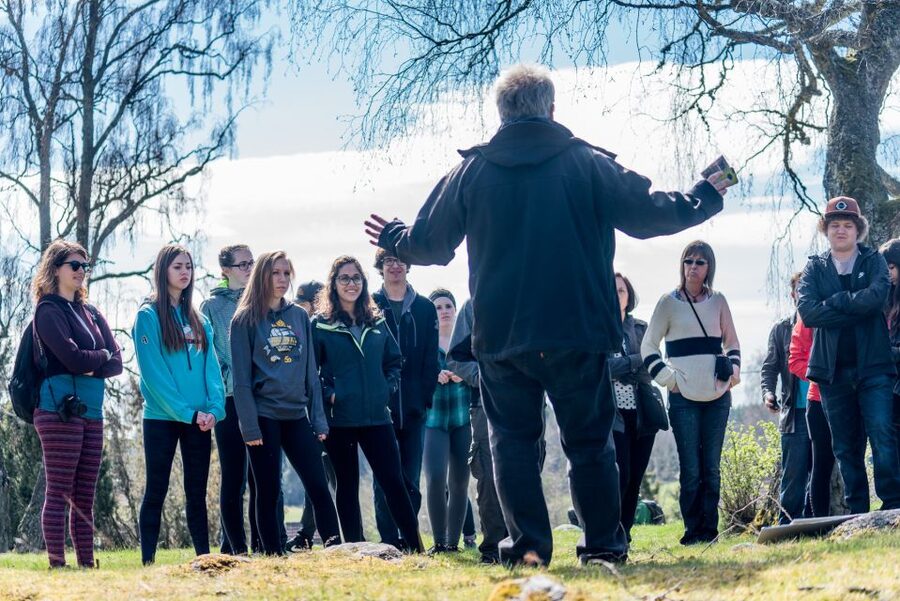
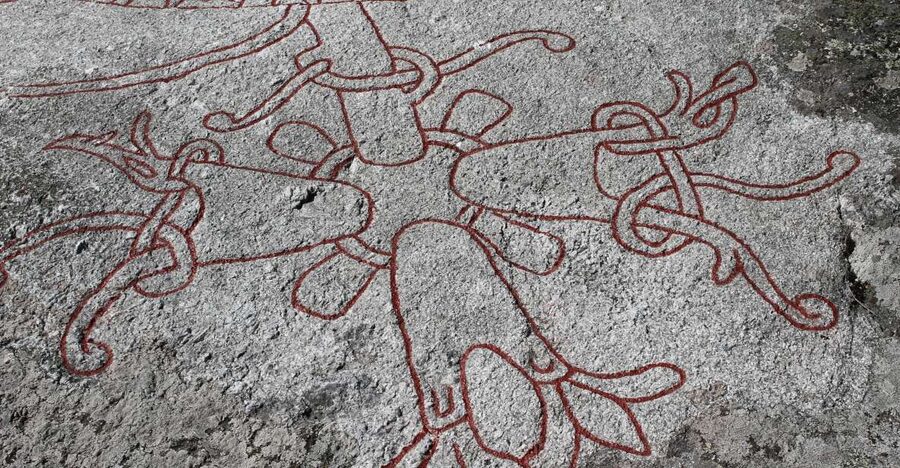
A big part of the value here is how the guide helps you read what you’re seeing. Runestones can look like random scratches until someone walks you through how inscriptions were meant to communicate status, memory, and relationships. If you care about language, this is one of the best moments of the day because the stop is explicitly built for guided interpretation.
Practical tip: wear shoes you trust. Even when the walk time is short, you’ll want stable footing for uneven ground and quick photo opportunities.
Arkils Tingstad and Vallentuna Church: governance and the end of the Viking era
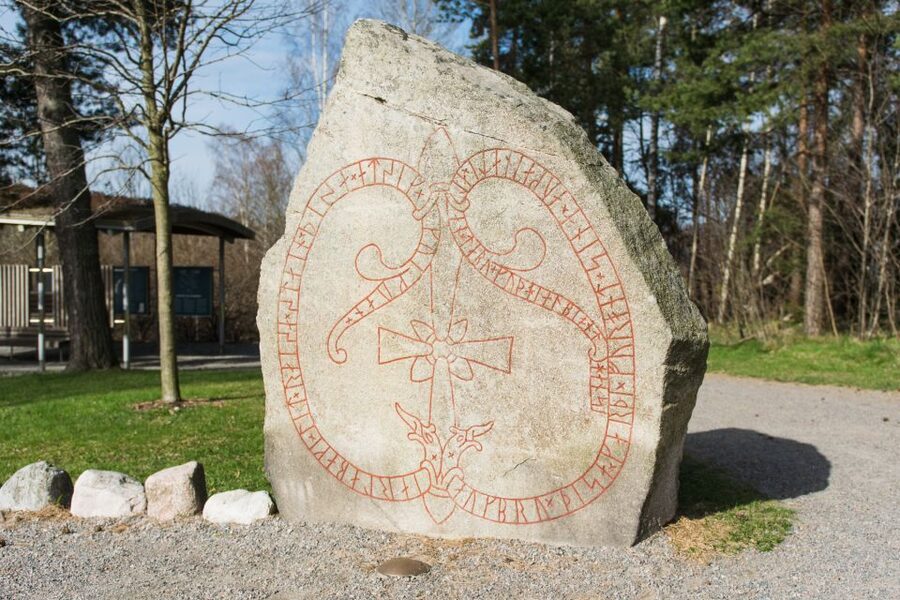
Next, you shift from carved symbols to civic reality. Arkils Tingstad is an assembly site where people resolved disputes, made decisions, and enacted laws. That’s a key Viking detail that’s easy to miss when you only focus on raids and warriors. Here, you get a glimpse of how communities organized themselves and settled conflict through shared procedures.
Then comes Vallentuna Church, a 12th-century church described as blending Romanesque, Gothic, and Baroque elements. The timing of the stop is meaningful: you learn about the end of the Viking age and the Christianization of Sweden. Even if churches aren’t your first stop in Viking tourism, this one connects the dots. It shows what changed after the rune-carving world—both spiritually and socially.
Why I like pairing these two stops: Arkils Tingstad is about law and collective decision-making, while Vallentuna Church frames the cultural shift that re-shaped beliefs and institutions. You can almost feel the transition in the day’s order.
Granby and the Granby Stone: inscriptions and long-house foundations
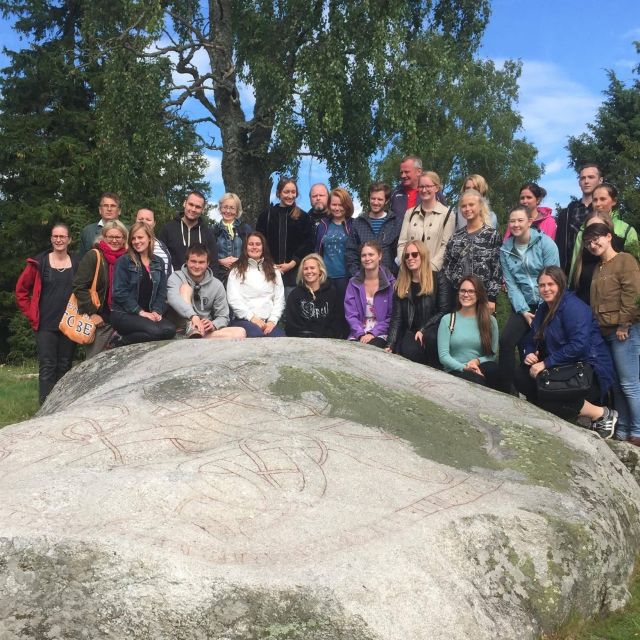
This is one of the most satisfying segments because it hits two different layers of Viking life: messages in stone and everyday dwelling space. You’ll see the Granby Stone, an ancient runestone with a detailed Viking text. Then you’ll move to Granby’s best-preserved Viking house foundations, where you learn about daily life rather than just symbolic history.
That combination is important. Runestones tell you how people wanted to be remembered, but foundations tell you how they actually lived—where a long house sat, how space was organized, and what remains when the wood is gone. When the guide connects those threads, the Viking era stops feeling abstract.
Also, the day gives you a real chance to ask questions about what’s visible and what isn’t. One review praised how the guide stayed patient and kept explaining, even with questions. If you’re the kind of traveler who likes to learn a little meaning behind each detail, this is a good fit.
Hökeriet fika and the Orkesta-Granby break that keeps the day human
In the middle of long drives and frequent stops, you get a pause built around Swedish food culture and local browsing. At Hökeriet (at Granby Farm), there’s time for traditional Swedish fika—plus the chance to pick up Viking-themed souvenirs.
Even if you skip shopping, I recommend treating this break like part of the experience. Fika isn’t just about caffeine; it’s a small cultural pause that helps you reset before the next historical concentration. And since meals and drinks aren’t listed as included, these scheduled snack moments matter.
During the Orkesta-Granby portion, there’s also a break with coffee and local snacks, plus scenic views on the way. It’s one of those small scheduling choices that makes the full 8.5 hours feel more manageable.
More of Stockholm history, up close



Sigtuna’s cobblestone core: Sweden’s oldest town at a walkable pace
Sigtuna is the emotional heart of the day. This is Sweden’s oldest town, founded in AD 980, and it feels like a place where you can still sense the early medieval rhythm. You’ll stroll cobblestone streets, take in lakeside views, and visit key sights like St. Mary’s Church, plus ruins associated with the town.
You also get time for museum visits and exploring highlights like the town hall and the Sigtuna Museum. The value here is the blend: history that isn’t stuck behind a single doorway. It’s a town experience—walking, looking, and learning in the order your feet naturally take you.
One reason I’d pick this stop even on a short trip to Stockholm: it’s not just Viking-era remnants. It’s a real historic town story that continues beyond the runestone phase. That helps if you want Viking history but also want context for what came next.
Uppsala: cathedral views, university heritage, and Gamla Uppsala’s royal mounds
Uppsala brings a different atmosphere: scholarship meets monumental sacred space. You pass by Uppsala Cathedral and you’ll see the botanical gardens, historic university buildings, and Uppsala Castle. Even without long indoor time specified for every building, the combination gives you a sense of why this city has been an important center for centuries.
Then comes Old Uppsala and the Royal Mounds of Gamla Uppsala: three prominent burial mounds dating back to the 6th and 7th centuries, traditionally linked to legendary Swedish kings. This is one of those stops where standing in the open air does half the work. You’re not reading inscriptions here; you’re looking at scale and trying to understand how these mounds functioned as markers in a landscape of memory.
If you love myth and material evidence, this ending lands well. You go from runestones that record specific individuals to burial mounds tied to legendary rulership. That contrast is a neat way to experience how “history” and “story” overlap in Scandinavia.
Pacing, timing, and comfort for 8.5 hours on the move
The day runs about 8.5 hours, and the structure is built around van transfers plus short guided segments. You start with pickup in central Stockholm, then you move through multiple stops with photo opportunities and guided walking where possible.
A practical way to think about it:
- Some stops are longer (like Sigtuna with about 1.5 hours of time).
- Others are intentionally short (many are around 20–30 minutes including guided moments and photos).
So, come with a mindset of sampling. You’re not doing one giant museum visit; you’re stitching together Viking-era themes across several locations.
What to wear: comfortable shoes are a must. You’ll do walking and short transitions, and you don’t want sore feet cutting into your ability to enjoy the runestone and town stroll parts.
Price and value: is $255 fair for what you get?
At $255 per person, this tour isn’t a bargain, but it also isn’t priced like an all-day private driver. The value comes from three things that add up quickly if you try to DIY it: a guide for interpretation, hotel pickup/drop-off in central Stockholm, and transportation to places that are harder to string together efficiently.
Meals and drinks are not included, which is worth factoring into your day budget. You will have time for fika and coffee/snacks during scheduled breaks, but you should plan on bringing money for anything beyond that.
If you’re the type who wants to understand what you’re seeing—especially when it comes to runestones and inscription meaning—you’ll likely feel the price makes sense. If you’re more of a quick-photo visitor, you may find the guided time is only helpful in parts.
Who should book this Viking history day tour
This tour is a strong match if you:
- Want Viking history with context beyond battles and ships
- Like runestones, inscriptions, and interpreting what they communicated
- Enjoy walking through older towns like Sigtuna, not only standing in ruins
- Are curious about how governance worked and how Christianization changed the world
It’s also a good choice for people staying in Stockholm who don’t want the hassle of planning multiple transit legs on their own.
If your ideal day is slow, deep museum time, you might feel the schedule is a bit quick. But if you want a high-density day where the guide keeps your attention moving through the story, this format works.
Should you book Stockholm: Sigtuna and Uppsala Viking History Day Tour?
I’d book it if your main goal is to connect Viking symbols (runestones), Viking society (assembly and law), and the transition into later Swedish culture (churches and medieval towns) in one day. The stops are chosen to create that cause-and-effect feel, and Sigtuna adds the warm human pacing that stops the day from feeling like a lecture.
Skip it only if you’re chasing something narrowly Viking-only with lots of Viking reenactment-style spectacle. The day also includes Christian-era sites and major Uppsala landmarks, and the vibe is guided explanation over dramatics.
If you book, do it with comfortable shoes, a little curiosity about runes, and the mindset that you’re sampling several chapters rather than reading one chapter for hours.
FAQ
How long is the tour?
The duration is 8.5 hours.
Where does the tour start and does it include pickup?
The tour starts with pickup in Stockholm, and hotel pickup and drop-off are included.
Is there a guide and what language do they speak?
Yes, there is a live tour guide, and the tour is in English.
Are meals and drinks included in the price?
Meals and drinks are not included, though there is time for fika/coffee and local snacks during scheduled stops.
What are the main stops on the day?
You’ll visit Jarlabanke Bridge, Arkils Tingstad, Vallentuna Church, Orkesta-Granby (including the Granby Stone and Viking house foundations), Sigtuna, Uppsala, and the Royal Mounds of Gamla Uppsala.
What should I bring, and what isn’t allowed?
Bring comfortable shoes. Pets are not allowed, and the tour does not allow luggage or large bags, and it also prohibits alcohol and drugs.
More Tours in Stockholm

More Tour Reviews in Stockholm



More Viking Day Trips to Sigtuna & Uppsala

Just Added: The Latest Stockholm Reviews












Viking Sigtuna & Uppsala Day Trips, compared.
 ★ 4.5The Viking Museum Exhibition and Viking RideFrom $22667 reviews
 ★ 4.0Entrance ticket to The Viking MuseumFrom $22301 reviews
 ★ 4.5Viking History, Runes & Countryside 9h Tour to Sigtuna & UppsalaFrom $298283 reviews
 ★ 4.5Viking History and Swedish Countryside Tour to Sigtuna & UppsalaFrom $274162 reviews
 ★ 4.7From Stockholm: Uppsala and Sigtuna Viking Sites TourFrom $235157 reviews
 ★ 4.5Viking History Small Group Tour from Stockholm: Half Day Including SigtunaFrom $193111 reviews
 ★ 4.5From Stockholm: Viking Culture Guided Tour with TransferFrom $19381 reviews
 ★ 4.5Full Day Viking Tour with Fika Swedish Coffee BreakFrom $24181 reviews
Browse the lists this tour appears in