
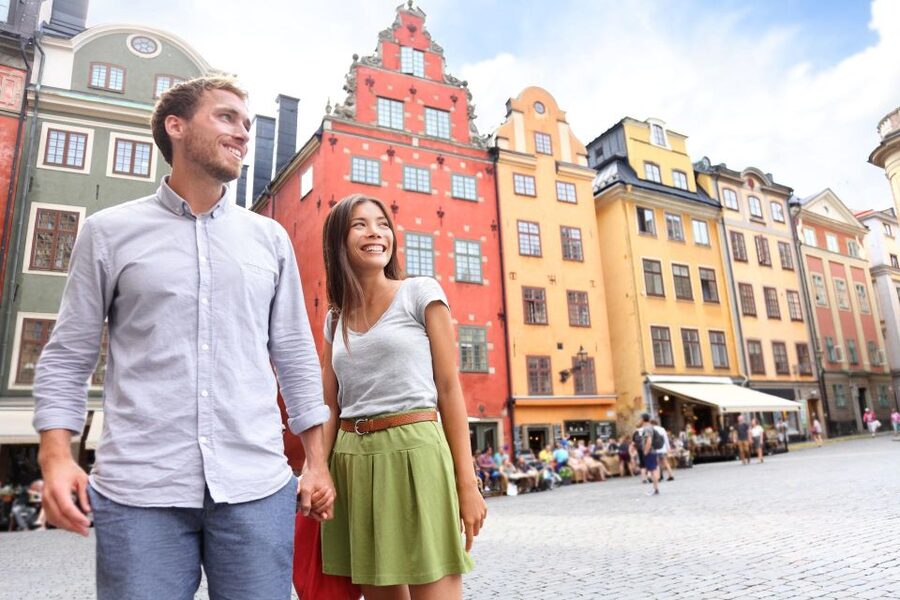
Reviewed · GAMLA STAN OLD TOWN WALKS
World War II Stockholm Old Town Walking Tour and Army Museum
WWII in Stockholm is about choices. This private tour turns Gamla Stan into a living lesson on what neutrality meant during the war. You’ll connect politics, propaganda, and humanitarian action as your guide traces how Sweden’s stance affected trade, pressure from both sides, and the safety of refugees.
I love how the tour doesn’t treat WWII like a distant textbook event. It uses real places like the Royal Palace, Storkyrkan Cathedral, Parliament House, and war memorial areas to explain how decisions played out on the ground. I also like that you get a strong human story with Raoul Wallenberg, not just dates and battles.
One drawback to consider: the longer you stay (the 3-hour option), the more time you’ll spend inside the Army Museum. If you want strictly outdoors and street-level history, stick with the 2-hour walking version.
5-Star licensed guide with WWII focus in Old Town
Real monuments tied to wartime memory and the Holocaust
Raoul Wallenberg’s rescue efforts, including the story’s scale
Neutrality under pressure: government, royals, church, and foreign trade
Optional Army Museum tickets with documents, uniforms, weapons, and trophies
Private group format with multilingual guides (English, German, French, Spanish, Russian, Swedish, Italian)
In This Review
- WWII Stockholm Through Real Streets, Not Just Dates
- Starting at the Lars Johan Hierta Monument (and Why That Matters)
- Royal Palace, Storkyrkan, and Parliament House: Power When Everyone Is Watching
- Soviet Bombings, Trade, and the Changing Meaning of Neutrality
- Operation Save Denmark and the Refugee Question
- Berzelii Park Remembrance Path and Raoul Wallenberg’s Story
- Nobel Prize Awards and the War Years You Might Miss
- The Army Museum Option: Where Wartime Paperwork Becomes Real
- Price and Value: Is $205 Worth It?
- Language Options and Who This Tour Fits Best
- Should You Book This WWII Stockholm Tour?
- FAQ
- Where does the tour meet?
- How long is the tour?
- What is included in the 2-hour tour?
- What’s included in the extended 3-hour tour?
- What can I expect the guide to cover?
- What languages are available for the guide?
- Is the tour wheelchair accessible?
WWII Stockholm Through Real Streets, Not Just Dates

Stockholm’s Old Town is a great stage for history because it forces you to connect facts to geography. This tour does that work for you. Instead of a lecture that floats above the city, you walk and stop where the political and moral questions would have mattered most.
You start with the broad question Sweden faced at the outset: what did neutrality mean, and did it protect Sweden or help the Germans? The tour then tracks how that posture changed as the war progressed, including responses from Sweden’s royal family, government, and church. That arc matters because it shows neutrality wasn’t a simple switch you could flip and forget.
And then the story moves from policy to people. The Holocaust rescue narrative linked to Raoul Wallenberg takes center stage, tied to specific remembrance spots in the city. If you care about how ordinary lives collide with big decisions, this is the part that lands hardest.
Starting at the Lars Johan Hierta Monument (and Why That Matters)
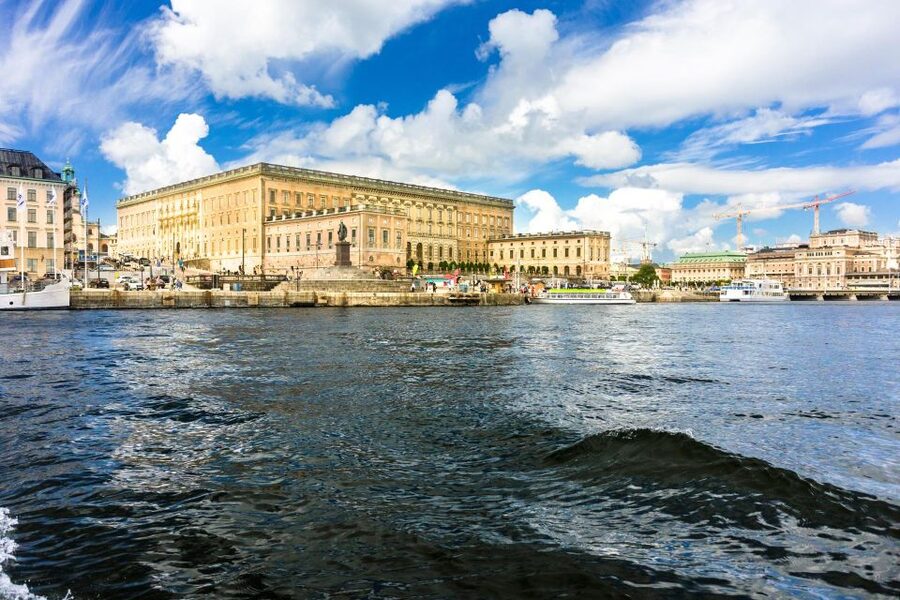
Your guide meets you in front of the Lars Johan Hierta Monument at Riddarhustorget 9, 111 28 Stockholm. It’s a smart way to begin because Hierta connects to one of the biggest themes Sweden wrestled with during wartime: how the country managed information, public discussion, and influence.
From there, you’re guided into the political context that sits behind the buildings you’ll see next. Expect a clear walkthrough of how Swedish neutrality began at the start of WWII, and how the situation shifted across the conflict. This is where you get the frame you’ll need to understand the rest of the walking stops. Without it, the monuments and palace architecture can feel like scenery. With it, they feel like evidence.
Also, since this is a private group, you’re not stuck listening over other people’s conversations. Your guide can adjust pace and emphasis to your interests, within the group limits.
More laps of Gamla Stan and the old town lanes
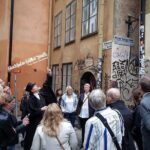
Royal Palace, Storkyrkan, and Parliament House: Power When Everyone Is Watching
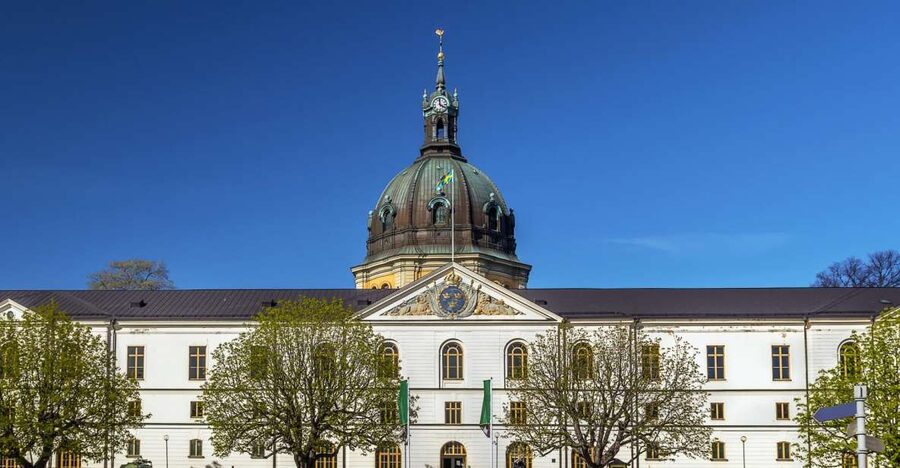
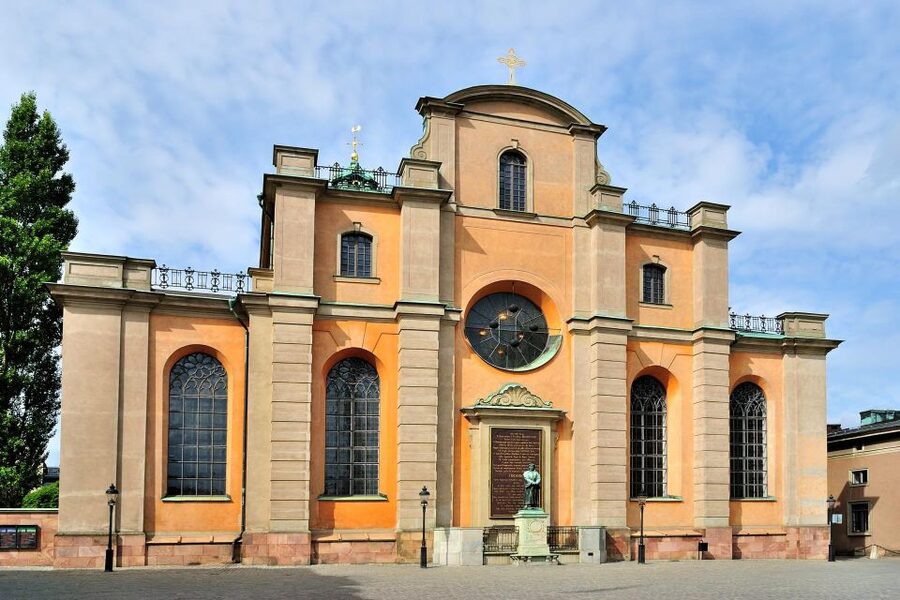
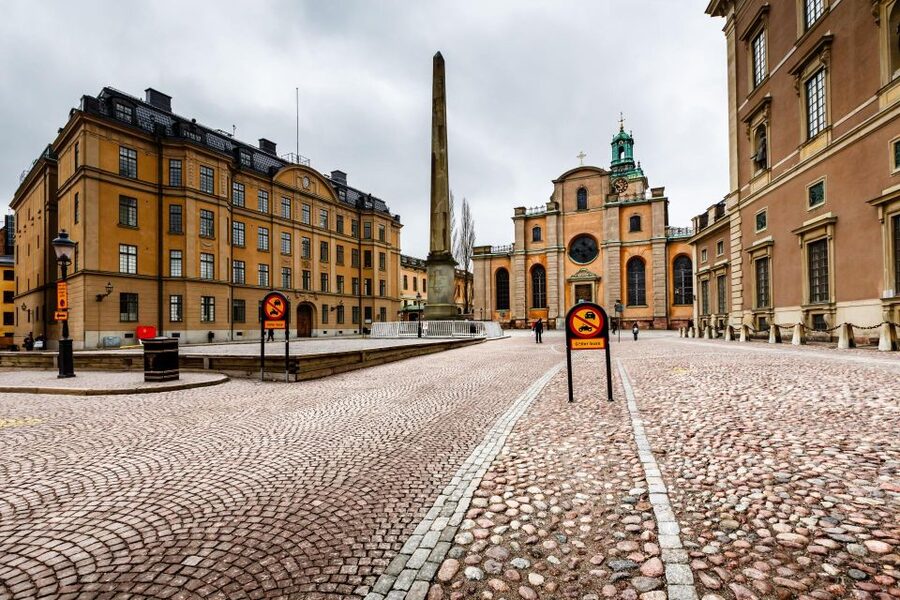
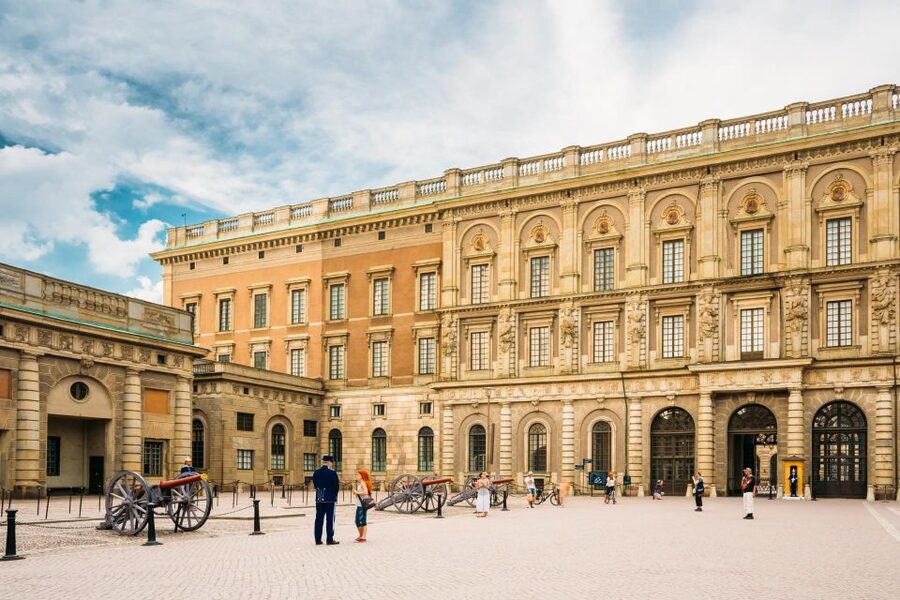
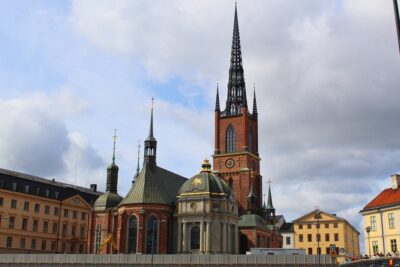
As you walk through Gamla Stan, the tour puts three heavyweight landmarks into the political story: the Royal Palace, Storkyrkan (Cathedral), and Parliament House. You’re not just seeing impressive architecture. You’re being shown how national power and national symbols connect to wartime decisions.
Here’s the practical value: these stops help you understand why neutrality was never only a foreign-policy phrase. Royal responses, government actions, and church positions all fed into what Sweden did in practice. You’ll hear how those institutions handled pressure from the conflict and how attitudes evolved over time.
Storkyrkan matters because a cathedral isn’t just religious space. In wartime, it can also represent moral authority and public signaling. Pair that with royal and parliamentary authority, and you get a clearer picture of how Sweden tried to steer the country through a dangerous era.
If you like history that explains decision-making, this segment is the backbone of the tour. It’s also one reason I’d call the guide’s role essential here. A script isn’t enough; the guide connects each location to the bigger question: who had influence, and how did it translate into action?
Soviet Bombings, Trade, and the Changing Meaning of Neutrality
One of the most useful parts of the experience is that it doesn’t freeze Sweden in a single identity of neutrality. Instead, you get the timeline of how conditions changed and how that forced shifts in policy.
The tour covers the impact of WWII on domestic politics and foreign trade, and it includes the reality of Soviet bombings of Sweden. That detail is key because it contradicts the comforting idea that neutrality keeps you untouched. Even if you aren’t an official battlefield, you can still be hit by the conflict’s spillover.
This segment also answers a question you probably have already: how could neutrality help Germans and still feel morally complicated? You’ll hear about Sweden’s shifting situation as the war unfolded, and you’ll consider the tension between survival strategy and ethical responsibility.
If you’re the type who likes to understand the incentives behind decisions, you’ll appreciate how the guide frames neutrality as something constrained by geography, economics, and military realities. This isn’t just blame or praise. It’s cause-and-effect.
Operation Save Denmark and the Refugee Question
The tour addresses a sensitive but important thread: were Jewish refugees welcome, and how did humanitarian action work when the region around Sweden was under German occupation?
You’ll hear about the humanitarian effort to save Jewish people escaping the German occupation of Denmark and Norway, with a focus on Operation Save Denmark. This matters because it shows how Scandinavian wartime history isn’t only national. It’s regional—one country’s policies and choices affected what happened to people crossing borders and seeking safety.
I like how the tour forces you to think beyond slogans. The refugee story is not presented as a side note. It’s part of the main argument about how Sweden’s neutrality played out in real human outcomes.
If you’re sensitive to heavy topics, this is the part where you should pace yourself. But if you came for WWII history that includes morality and not just military strategy, this is where the tour earns its place.
Berzelii Park Remembrance Path and Raoul Wallenberg’s Story
In Berzelii Park, the tour follows the Remembrance Path and brings you to the heroic story of Raoul Wallenberg to rescue tens of thousands of Jewish people from the Holocaust. This is not a vague biographical sketch. It’s framed as a mission with real stakes and real consequences.
Why this stop is powerful is simple: the guide connects Wallenberg’s work to the physical act of remembrance. You’re not just hearing the story. You’re seeing how Stockholm chooses to mark it in public space.
If you’re wondering why Wallenberg is so widely cited, the tour helps you understand the scale and urgency behind his effort. It also ties into a broader theme you’ve been building since the first stop: the difference between neutrality as a stance and action as a commitment.
This is the segment I’d recommend you keep your full attention for. If the earlier political stops felt dense, Wallenberg gives you a clearer emotional thread. And if you came for humanitarian history, this is likely the moment you’ll remember after the walk ends.
More Stockholm sights indoors, tickets sorted






Nobel Prize Awards and the War Years You Might Miss
One of the more surprising links in this tour is the connection between WWII and the Nobel Prize awards. You’ll learn how the war influenced what happened around the Nobel Prizes during that period.
Even if you don’t care about Nobel trivia, this is a useful angle because it shows how WWII reached beyond government offices and battlefields. It affected international recognition and cultural prestige too.
For me, this is where the tour becomes more than a local history walk. It highlights how a neutral country still had to navigate international pressures and shifting norms. You start seeing neutrality less as isolation and more as active management—balancing internal identity with external consequences.
The Army Museum Option: Where Wartime Paperwork Becomes Real
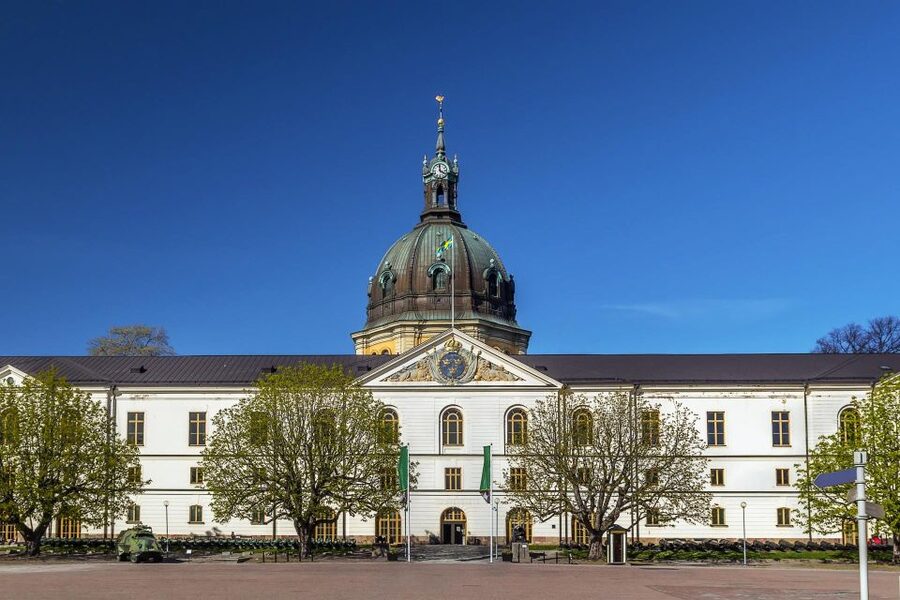
Choose the extended 3-hour tour and you add a visit to the Army Museum with included tickets. The 2-hour version does not include the museum, so it’s a meaningful difference if museum time is part of what you want.
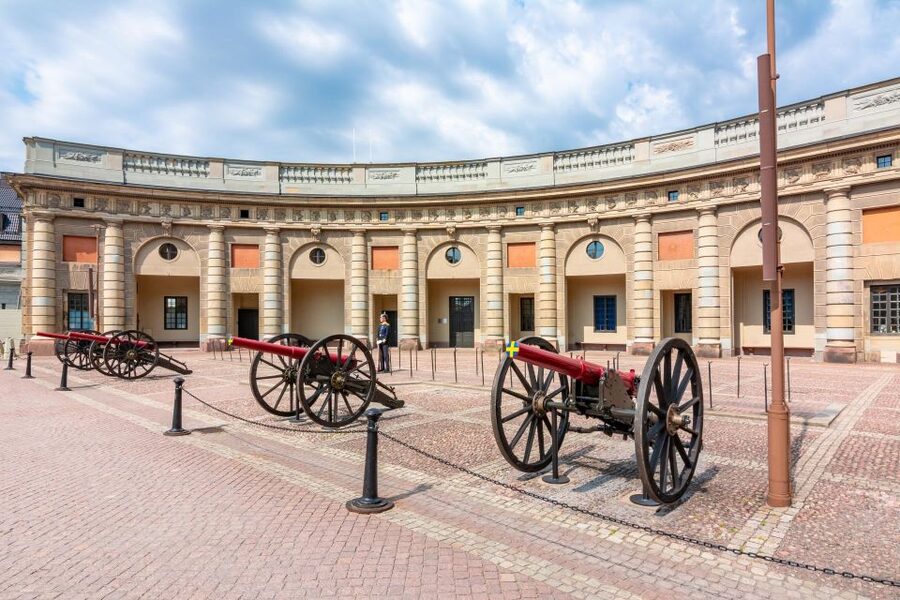
The Army Museum explores more than 500 years of wartime and peacetime in Sweden. That time span matters because it doesn’t make WW2 the only story on the wall. You’ll see how military life, family life, and public conditions fit into a long Swedish timeline.
One of the most valuable parts of this add-on is that it focuses on living conditions for soldiers, their families, and the general population. That’s what turns military artifacts into context. A uniform or document becomes understandable once you know who wore it, who depended on it, and what daily life looked like around it.
You’ll also find an exhibition dedicated to Raoul Wallenberg. Seeing his story again inside the museum helps reinforce it. And the collection includes historical documents, military uniforms, weapons, and trophies, which history buffs typically appreciate because you can study objects directly rather than only hearing descriptions.
If you have limited time in Stockholm and you’re torn between street stops and museum depth, pick based on your energy:
- If you want politics, memorials, and a walking narrative, the 2-hour tour fits.
- If you want wartime realities through artifacts and documents, the 3-hour option is the stronger buy.
Price and Value: Is $205 Worth It?
At $205 per person, this tour isn’t budget travel. The value comes from three things you’re paying for: a 5-star licensed guide, a private format, and museum access (only in the 3-hour option).
A private WWII-themed guide is expensive, but it tends to be worth it when the topic is heavy and the details matter. WWII history in Scandinavia isn’t one-note. It’s full of tradeoffs, shifting policies, and humanitarian questions. Having a guide who can connect locations and explain context is what keeps the experience from becoming a simple sightseeing walk.
What helps you judge the value is how the options work. In the 2-hour tour, you get the Old Town walking history and WWII/Holocaust monuments, but you don’t get Army Museum tickets. In the 3-hour tour, you add that museum visit and its ticketed entry, which is a real upgrade if you’re a museum person.
One more pricing consideration: the tour runs as a private group, and the number of attractions depends on your selected option. Group size is capped for guides, and if your group needs more than one guide, price rises. This matters most if you’re booking as a larger group—smaller parties tend to keep value high.
Language Options and Who This Tour Fits Best
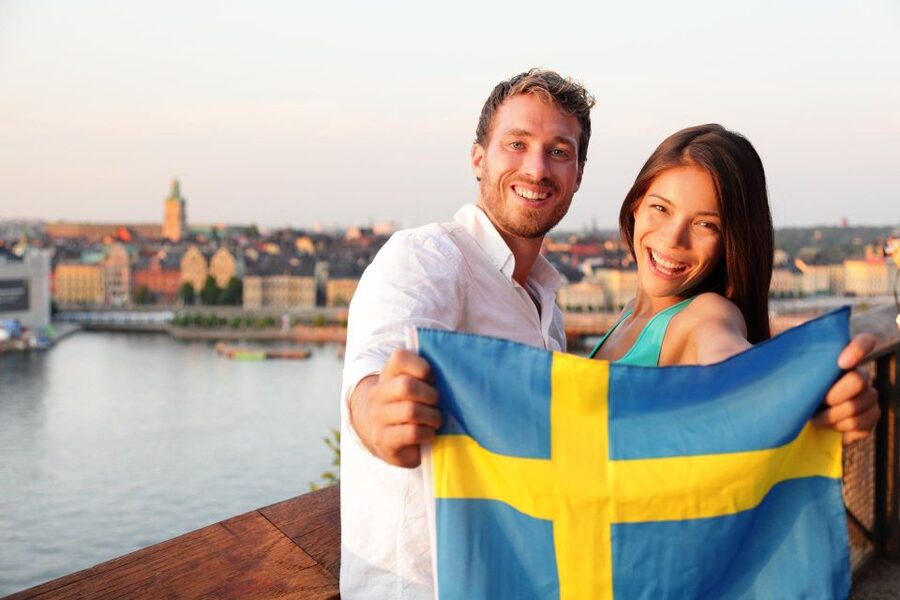
The guide is available in German, Italian, French, Spanish, Russian, English, and Swedish. That broad language coverage is practical in Stockholm, where you might want to fully follow the nuance without relying on slow translations.
This is a great fit if you:
- want WWII history grounded in real Stockholm sites
- care about how neutrality functioned under pressure, including foreign trade and domestic politics
- want the Raoul Wallenberg story told with context, not just a quick overview
- like a mix of memorials and museum exhibits (if you choose the 3-hour option)
It’s also a solid choice for travelers who appreciate moral complexity. The tour doesn’t reduce everything to slogans. It raises tough questions about refugee welcome and humanitarian action while still explaining the political constraints.
If you want only a light, fast sightseeing loop, this may feel heavy. It’s history with moral weight, and the guide will not treat it like background noise.
Should You Book This WWII Stockholm Tour?
Book it if you want a private, guided WWII experience that stays grounded in Stockholm’s actual landmarks and remembrance spaces. The mix of neutrality politics, Soviet bombings context, Holocaust rescue storytelling through Raoul Wallenberg, and the optional Army Museum creates a well-rounded view that you can’t get from a casual self-guided walk.
Skip or switch to a shorter option if you prefer strictly museum-free travel. The 2-hour tour gives you the Old Town narrative and key monuments without the museum time. Choose the 3-hour tour only if you know you’ll use the Army Museum tickets and want the artifact-driven, lived-history approach.
My honest take: for the right kind of traveler, this is a strong value. Not because it’s cheap, but because it’s structured, focused, and guided with a clear purpose—helping you connect Sweden’s wartime choices to the people and memories tied to them today.
FAQ
Where does the tour meet?
You meet your guide in front of the Lars Johan Hierta Monument, Riddarhustorget 9, 111 28 Stockholm.
How long is the tour?
The duration is 2 to 3 hours, depending on whether you book the walking-only option or the extended option that includes the Army Museum.
What is included in the 2-hour tour?
The 2-hour tour includes the WWII-themed walking tour through Stockholm’s Old Town (Gamla Stan) and WWII/Holocaust monument stops. Army Museum tickets are not included in this shorter option.
What’s included in the extended 3-hour tour?
The 3-hour tour includes the Gamla Stan walking portion and includes tickets to the Army Museum.
What can I expect the guide to cover?
The tour covers Sweden’s neutrality during WWII, how it changed over the conflict, domestic politics and foreign trade impacts, Soviet bombings of Sweden, and the humanitarian effort related to Jewish refugees. It also includes the story of Raoul Wallenberg.
What languages are available for the guide?
The guide is available in German, Italian, French, Spanish, Russian, English, and Swedish.
Is the tour wheelchair accessible?
Yes, the tour is wheelchair accessible.
More Tour Reviews in Stockholm


More Stockholm Museums & Tickets
More Gamla Stan Walks

Just Added: The Latest Stockholm Reviews








Gamla Stan Old Town Walks, compared.
 ★ 4.7Ghost Walk and Historical TourFrom $312,206 reviews
 ★ 5.0Walking Tour of Stockholm Old TownFrom $241,175 reviews
 ★ 4.5The Original Stockholm Ghost Walk and Historical Tour – Gamla StanFrom $381,165 reviews
 ★ 4.7Old Town Walking Tour with Local GuideFrom $15719 reviews
 ★ 5.0Best of Stockholm Walking Tour-3 Hours, Small Group max 10 peopleFrom $49645 reviews
 ★ 4.5The Nordic Food Walk StockholmFrom $122642 reviews
 ★ 5.0Walking Tour of Stockholm’s Old Town, Gamla StanFrom $13451 reviews
 ★ 4.9Old Town Historical Walking TourFrom $52344 reviews
Browse the lists this tour appears in